


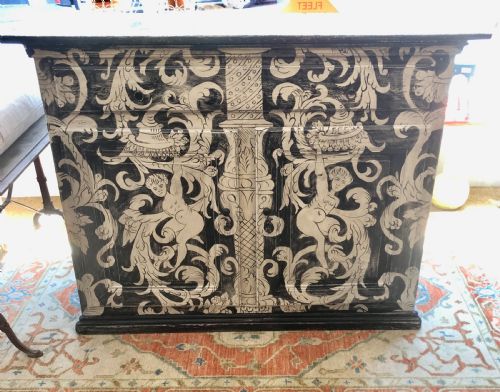


Renaissance Style Credenza
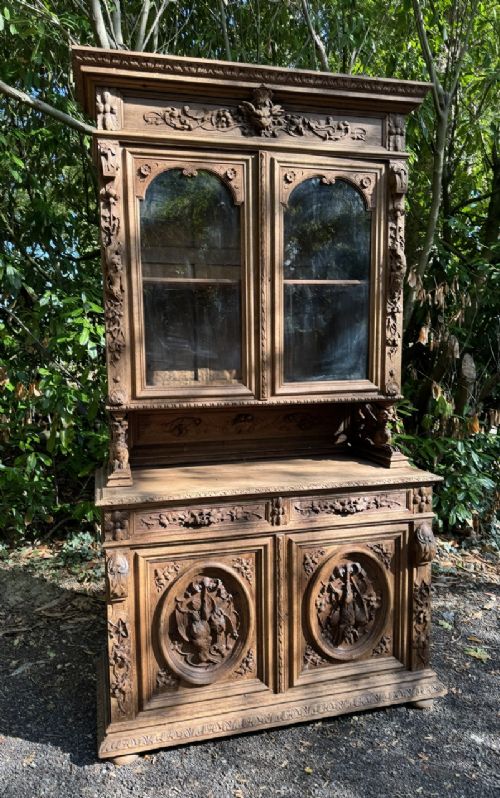
A renaissance style credenza brings substantial architectural presence into a room, offering deep storage and heavy carved decoration derived from earlier European centuries.
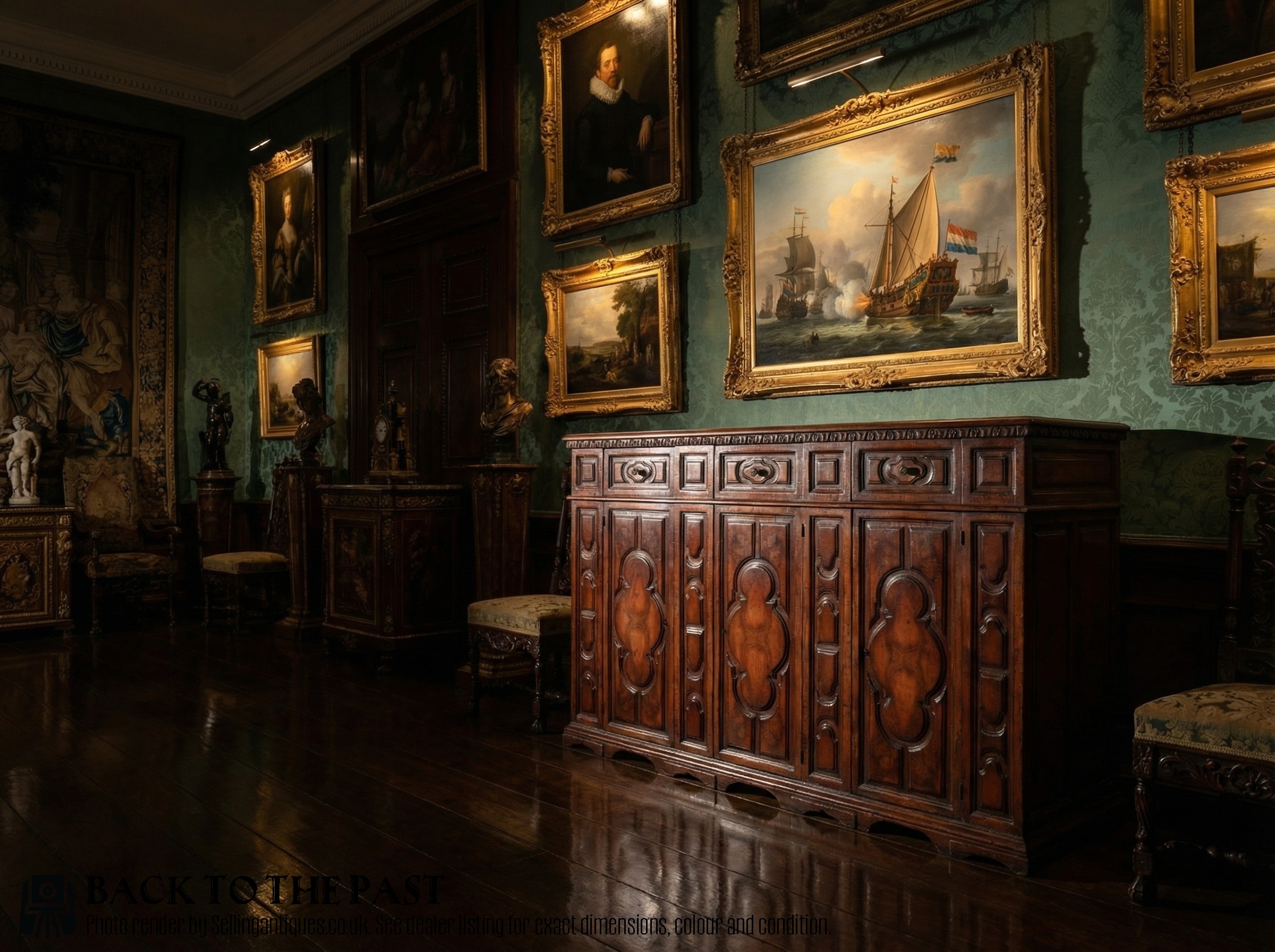
Renaissance Style Credenza
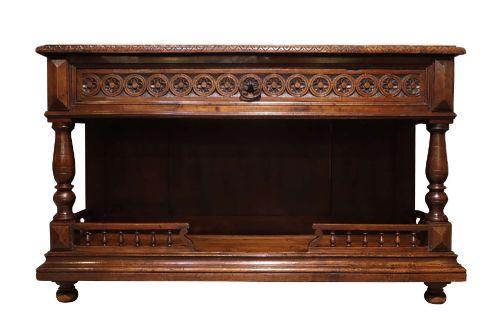
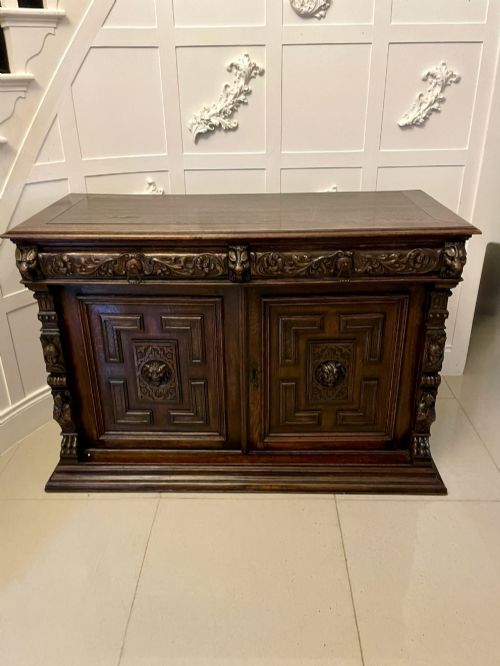
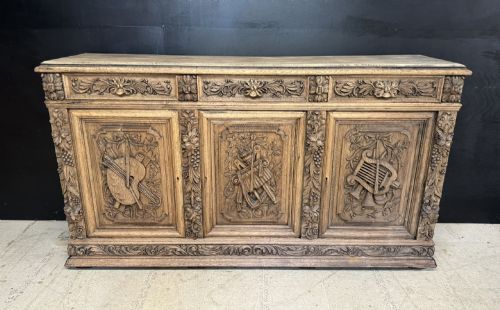
A renaissance style credenza draws upon historical design vocabularies from the nineteenth century onwards, capturing the grandeur of earlier periods through heavy timber construction and sculptural carving. Buyers seeking a renaissance style credenza encounter pieces primarily catalogued as sideboards, buffets, and cabinets originating from French, Italian, and wider continental traditions.
The physical form typically manifests as a substantial sideboard or cabinet dating from the nineteenth century, including specific iterations around eighteen-eighty and nineteen-hundred, alongside early twentieth-century examples. These items function as dominant storage furniture in dining rooms and halls, balancing utility with an imposing decorative scheme.
Assessing Quality and Execution
Depth and precision of the carved detail separate standard production from superior examples, where crisp architectural moulding and sculptural figures demonstrate higher artisan skill. The choice of primary timber, such as finely figured walnut versus standard oak, dictates the visual richness of the surface.
Proportion and structural balance govern the success of the design, ensuring that heavy cornices and panelled doors align harmoniously with the base and support feet.
Melissa White
The Renaissance Style Credenza Glossary
- Renaissance Revival
- A nineteenth-century architectural and decorative movement that reinterpreted sixteenth-century classical forms. This style heavily influences the proportions and ornamentation of these cabinets.
- Credenza
- An Italian term for a sideboard or buffet used for storing and serving food. In later revivals, it evolved into a grand display cabinet.
- Buffet
- A piece of dining room furniture designed for storage and serving. These examples often feature heavy cupboard doors and drawers.
- Grotesque
- A style of decorative art characterised by fantastical human and animal forms intertwined with foliage. It appears on painted panels within this furniture group.
Renaissance Style Credenza: Frequently Asked Questions
What is a renaissance style credenza?
A renaissance style credenza is a heavy wooden storage cabinet or sideboard that imitates sixteenth-century European architectural design. These pieces are typically built from oak or walnut with extensive carved decoration.
Originating largely in the nineteenth century, they serve as both functional storage and dramatic focal points in large rooms.
How do I date these cabinets?
Dating relies on examining the timber preparation, joinery methods, and stylistic revival markers typical of the nineteenth and early twentieth centuries. Many bear specific period traits from around eighteen-eighty or the Victorian era.
Stylistic cues often combine French, Italian, and general continental revival influences that help narrow the manufacturing window.
Where were these pieces used?
Historically, large sideboards and buffets stood in formal dining rooms and grand entrance halls to store tableware and serve food. Their robust proportions required spacious interiors to accommodate their visual weight.
Today, they continue to function as statement storage credenzas in large living spaces or dining areas.
What woods were used?
The primary timbers recorded are oak and walnut, chosen for their strength and suitability for deep relief carving. Secondary materials like iron, brass, glass, and marble frequently accent the main wooden structure.
Some specialist variants also incorporate painted surfaces, including monochrome artistic details.