



Renaissance Style Art
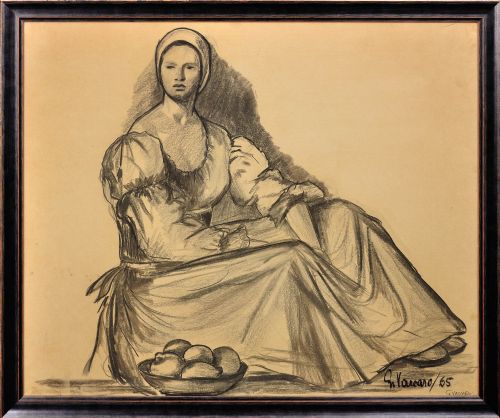
Renaissance style art encompasses paintings, panels, tapestries and sculptures that echo the historical aesthetics of the sixteenth century.
Renaissance Style Art
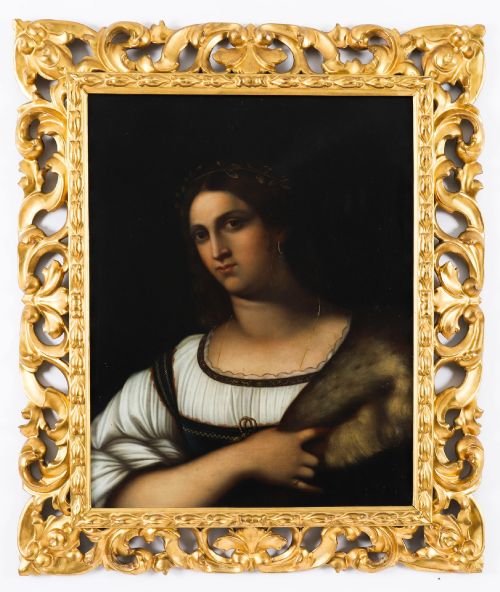
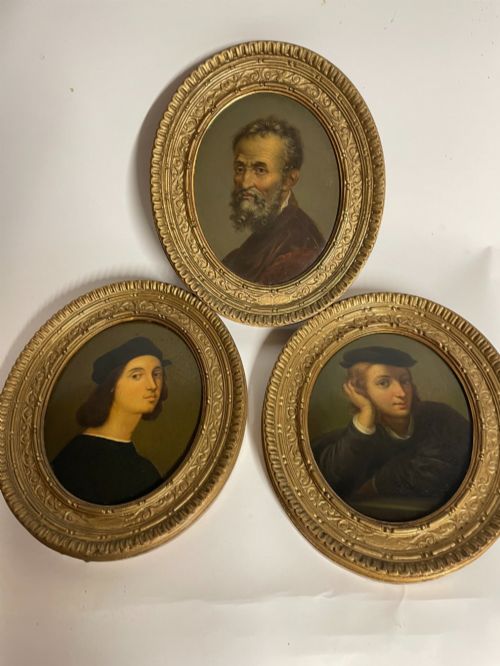
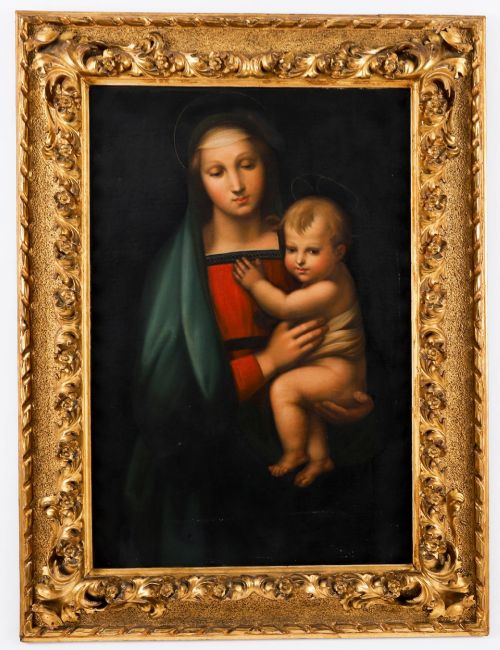
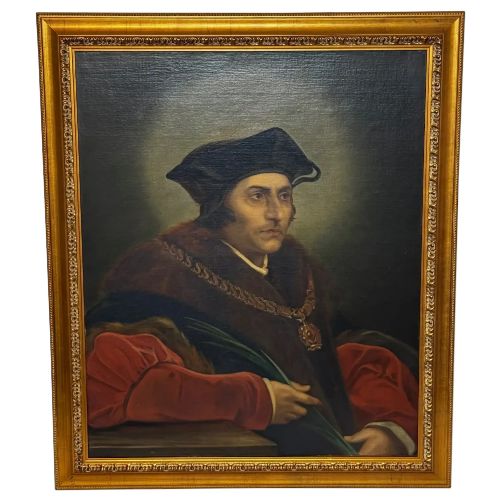
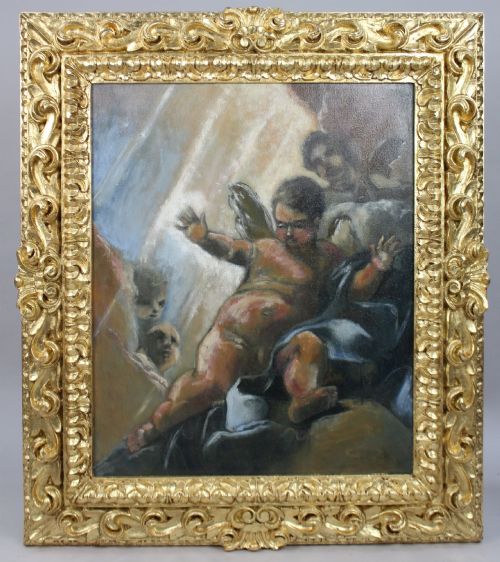
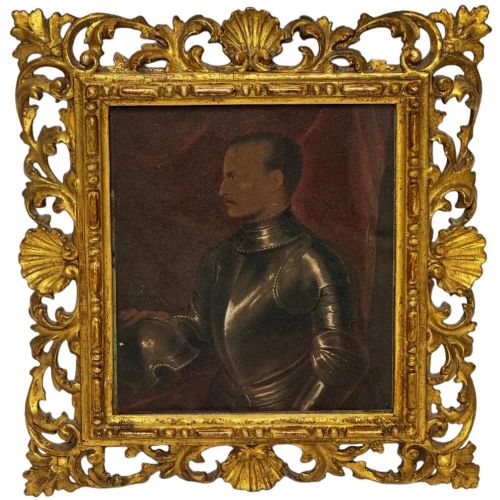
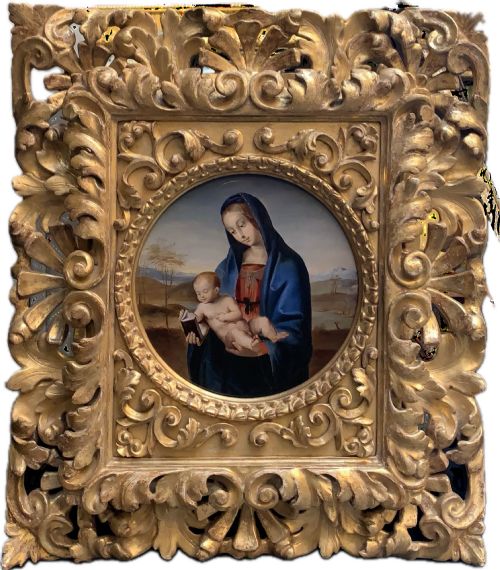
Renaissance style art covers oil paintings, watercolours, drawings, tapestries, carved panels and relief plaques that follow historical European masters and subjects. Buyers search this phrase to find framed portraits of figures like Henry VIII and Sir Thomas More, alongside religious scenes after Raphael, Titian and Correggio.
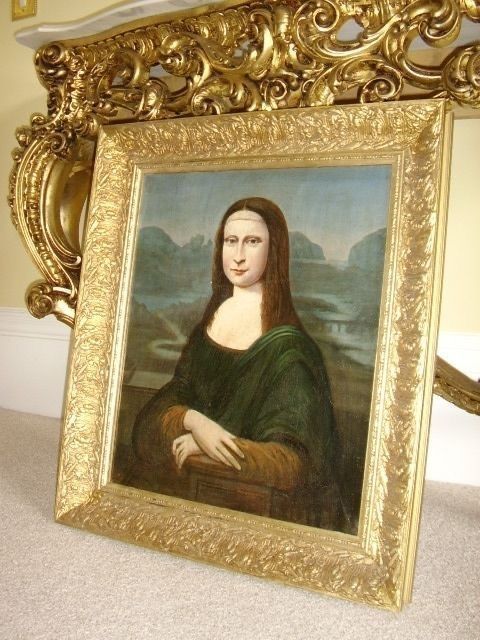
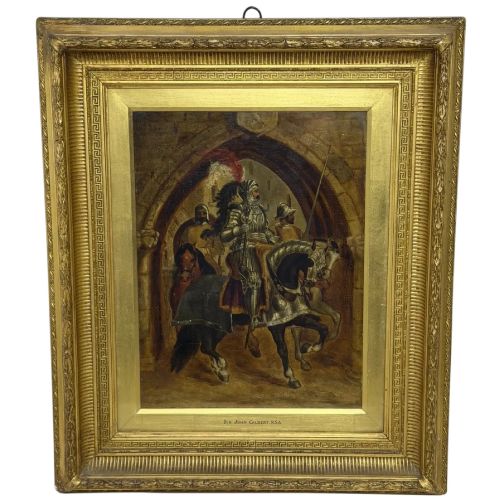
The versions most commonly met on this page are nineteenth-century oil paintings and works on paper executed in the manner or wake of earlier masters. These include copies after well-known compositions alongside revival school pieces produced in Italy, France and Britain.
How they were made
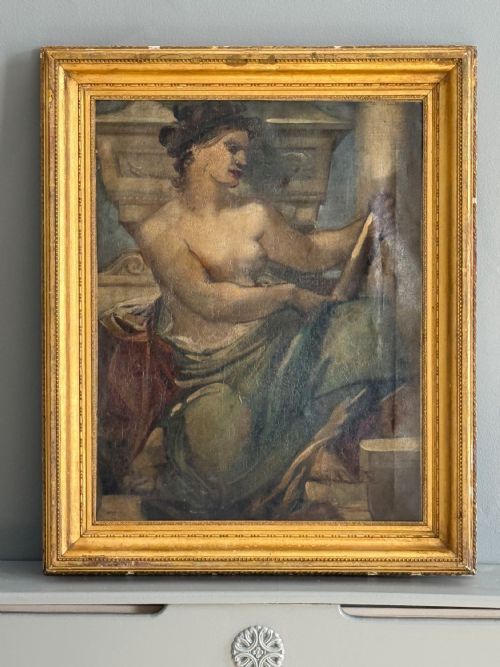
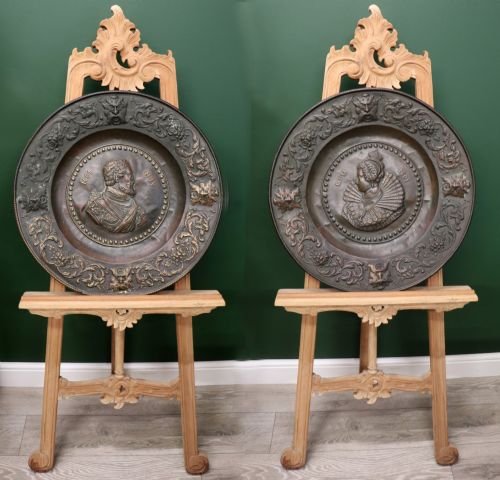
Makers utilised traditional supports such as canvas, wood panels, copper chargers and handmade paper, applying oil paint, watercolours, sanguine or ink. Many of these works are housed in carved giltwood frames that complement the historical subject matter.
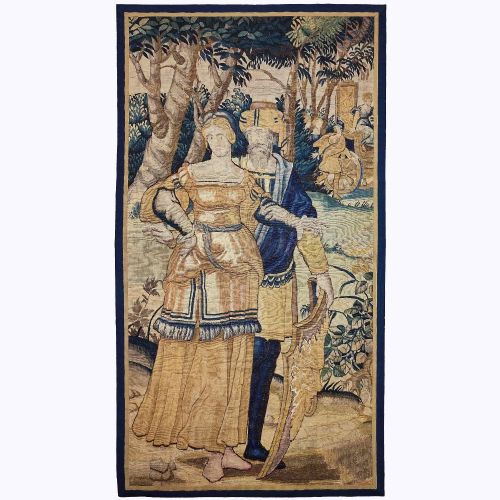
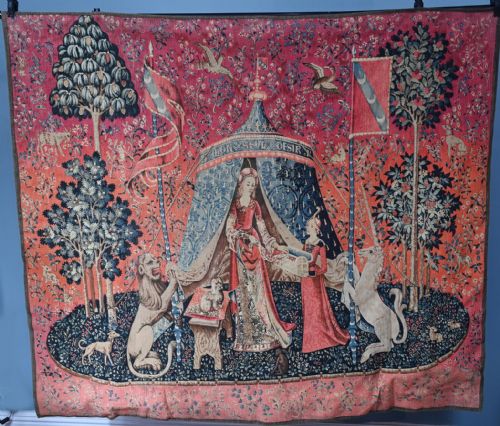
Techniques range from hand-painted oil glazes and detailed watercolours to woven tapestries, engraved prints, hand-painted porcelain plaques and polychrome wood carvings.
Renaissance Style Art Retail Price Guide 2026
Typical asking prices for renaissance style art among the pieces listed under this phrase on Sellingantiques today, from the lower quarter to the upper quarter. They describe what is for sale here now, not the wider market.
A painted book cover binding echoes the distinct aesthetic of the Sienese Biccherna records.
What varies in quality
Quality rests upon the skill of the execution and the fidelity of the draughtsmanship when compared to the original source material. A finely handled oil painting with subtle tonal gradations and expressive brushwork stands apart from a stiff, mechanical copy.
The integrity of the framing and the quality of the materials, from genuine gold leaf on carved wood to hand-woven textile panels, elevate the overall presence of the piece.
Icilio Federico Joni·Samson
The Renaissance Style Art Glossary
- Manner of
- A work executed in the style of a specific master without being a direct copy. It reflects the distinctive handling and approach of that artist.
- After
- A term indicating that the artwork is a copied version of a known composition by a named master. These pieces replicate famous imagery for collectors.
- Giltwood
- Wood that has been coated with a thin layer of gold leaf or powder. It frequently appears on traditional frames and decorative panels.
- Tapestry
- A heavy hand-woven textile featuring pictorial designs. They were often hung on walls as decorative wall coverings in grand interiors.
- Polychrome
- Painted in several colours. This term describes carved wood or plaster sculptures that retain their original painted surface detail.
Renaissance Style Art: Frequently Asked Questions
What periods do these artworks date from?
The selection includes genuine sixteenth-century panels and tapestries alongside nineteenth-century revival paintings and twentieth-century works.
Many pieces are nineteenth-century interpretations that deliberately replicate earlier Renaissance styles and techniques.
Are these pieces original Renaissance works?
Most items on this page are later interpretations, copies after masters, or revival pieces created in the nineteenth and twentieth centuries.
True sixteenth-century survivals appear alongside historical homages from later eras.
How should I frame and display them?
These works typically suit traditional interiors, especially when housed in their original carved giltwood frames or antique wall settings.
Keep them away from direct sunlight and excessive moisture to protect oil paints, paper and textiles.
What subjects are most common?
Portraits of historical figures, noblemen and religious scenes depicting the Madonna and Child dominate the category.
Many compositions directly reference famous works housed in major European museums and galleries.