



Renaissance Storage Trunk
A renaissance storage trunk brings centuries of heavy timber and carved ornament straight into a modern hall.
Renaissance Storage Trunk
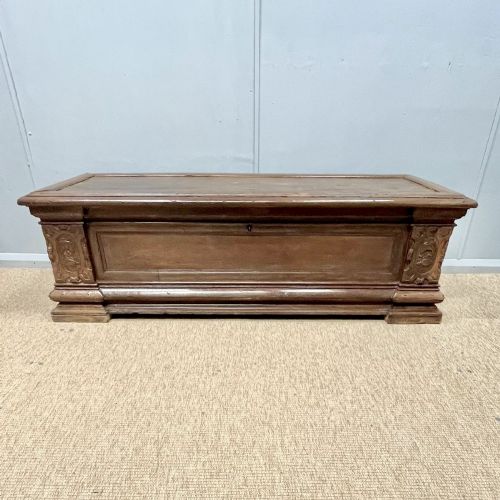
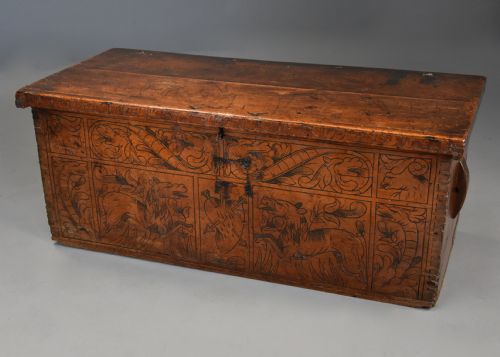
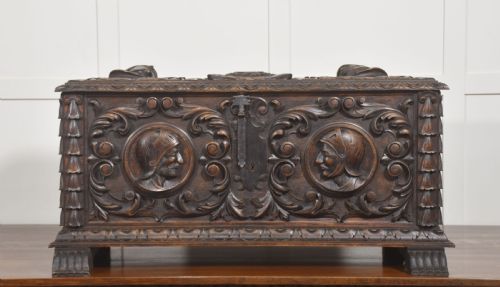
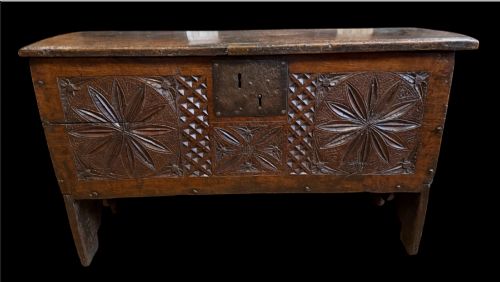
A renaissance storage trunk serves as a heavy timber receptacle for household goods, taking the form of a coffer, chest, or cassone across domestic interiors. These heavy pieces range from sturdy plank constructions to ornate storage boxes designed for display in principal rooms.
Buyers meet walnut and oak examples most frequently on this page, alongside cypress and cedarwood specimens originating from Italy, Flanders, and Spain. Period pieces stretch from the sixteenth and seventeenth centuries into later revival iterations from the nineteenth century.
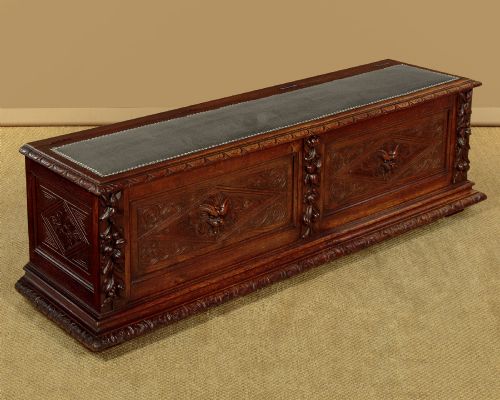
The objects operate variously as low benches, ottoman box seats, and deep floor-standing receptacles. Each form preserves the robust utility demanded by early households while offering sculptural timber surfaces.
How they were made
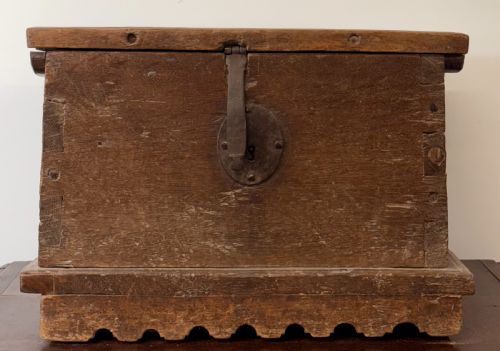
Carpenters constructed these trunks from durable hardwoods like oak, walnut, cypress, and cedarwood, often reinforcing the heavy timber frame with wrought iron bands and brackets. Joinery relied on thick planks and pegged joints designed to withstand heavy domestic burdens.
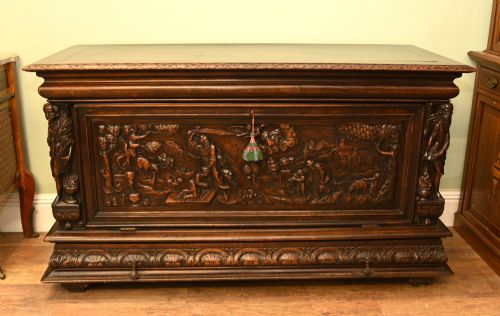
Carvers applied low-relief figural medallions, architectural panelling, and gilded surface decoration directly onto the primary timber boards. Secondary materials like leather and brass sometimes appeared on hinges, fastenings, and decorative studs.
Renaissance Storage Trunk Retail Price Guide 2026
Typical asking prices for renaissance storage trunk among the pieces listed under this phrase on Sellingantiques today, from the lower quarter to the upper quarter. They describe what is for sale here now, not the wider market.
Many seventeenth-century coffers smell faintly of native cypress or cedarwood after hundreds of years locked indoors.
What varies in quality
The depth and crispness of the timber carving separate standard regional work from exceptional output, particularly where figural medallions and architectural motifs are concerned. Original surface patination and untouched timber retain higher integrity than heavily restored examples.
The integration of original ironwork, hinges, and locks alters the character and authenticity of each trunk. Timber selection also dictates grade, with dense Italian walnut and fragrant cypress commanding particular attention compared to standard domestic oak.
The Renaissance Storage Trunk Glossary
- Cassone
- A large Italian chest or coffer traditionally used for storing wedding trousseaux and valuable household goods. These pieces often feature extensive carving, gilding, or painted decoration.
- Coffer
- A strongbox or chest used for safekeeping valuables, typically constructed from heavy timber planks. Many incorporate iron bands for added security.
- Patina
- The surface sheen and texture developed on wood and metal through age, handling, and use over centuries. Original surfaces display a soft lustre distinct from modern finishes.
- Plank construction
- A method of building chests by joining thick vertical or horizontal boards directly at the edges. This technique represents an early form of cabinet making prior to advanced frame and panel methods.
Renaissance Storage Trunk: Frequently Asked Questions
Where did people place these trunks?
Households positioned these heavy receptacles against walls in halls, chambers, and great rooms where they doubled as seating and tables.
They stored textiles, documents, and valuables away from damp floors and pests.
How do I clean the wood?
Dust the timber surfaces gently with a dry, soft cloth to remove everyday particles without disturbing the underlying finish.
Avoid liquid cleaners, polishes, and modern detergents that can penetrate porous old timber and alter the natural patina.
Are these trunks heavy?
Solid hardwoods like oak and walnut make these receptacles exceptionally heavy and difficult to move once positioned.
Lifting requires multiple people to prevent strain on ancient joints and original floor surfaces.
Can I use one as a coffee table?
The flat top of a low coffer or chest adapts well to serving as a central table in a living space.
Ensure items placed on the surface use protective pads to guard the historic timber from moisture and scratches.