


Renaissance Seating
Renaissance seating brings robust architectural timber and grand historical revival forms into domestic spaces.
Renaissance Seating
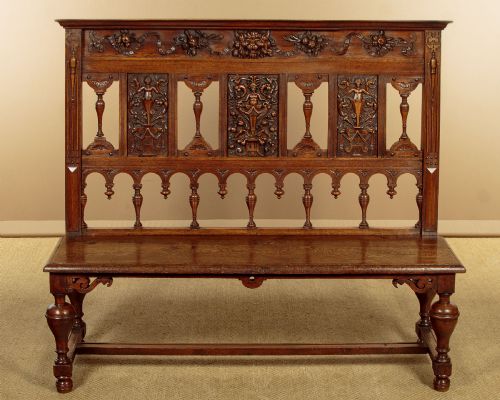
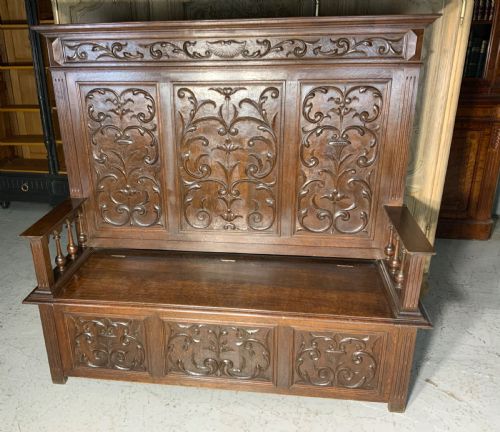
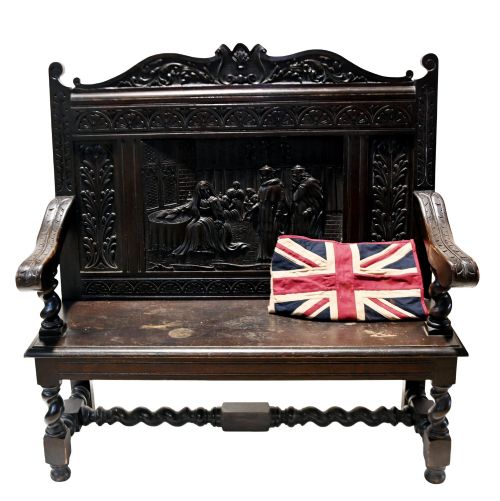
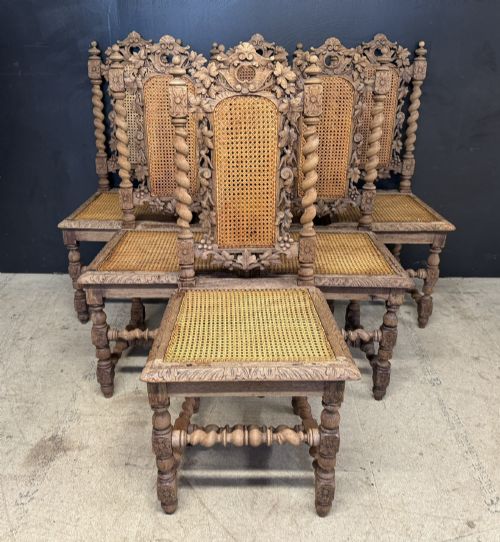
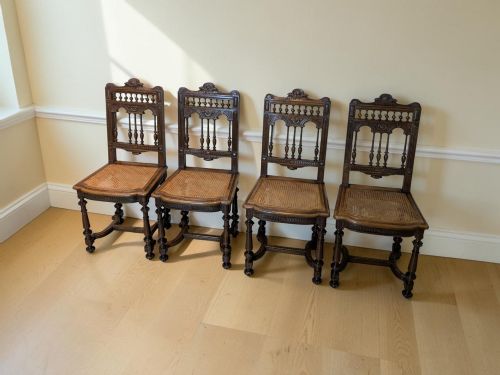
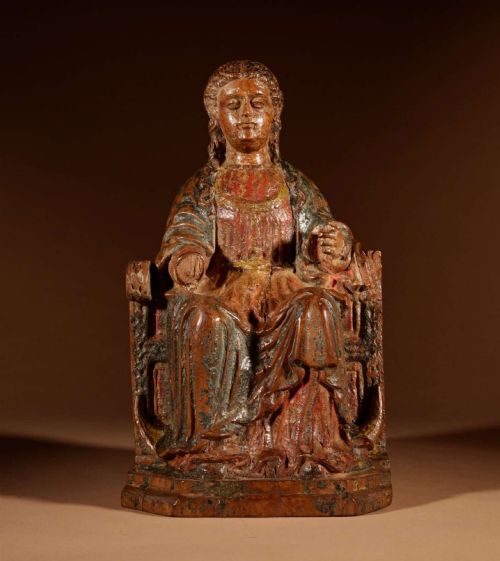
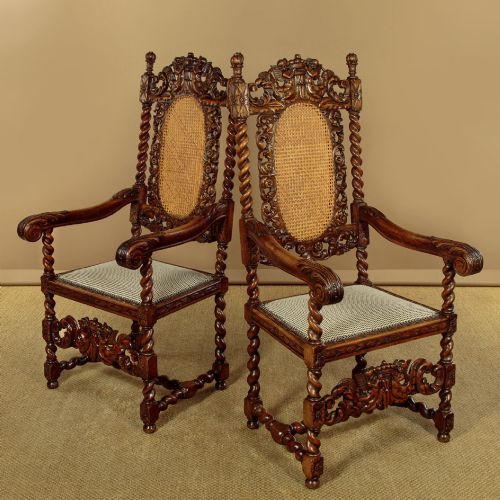
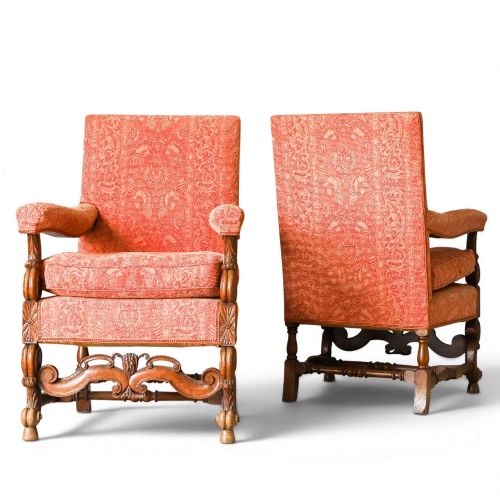
When you search for renaissance seating, you encounter substantial wooden forms spanning armchairs, hall benches, settles, and corner chairs. These pieces draw heavily on historical revivals, particularly Italian and French interpretations executed during the nineteenth century alongside genuine sixteenth-century work.
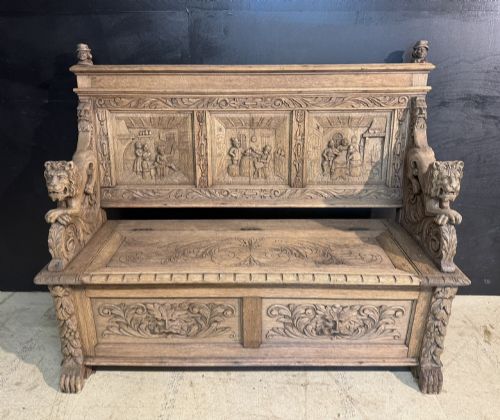
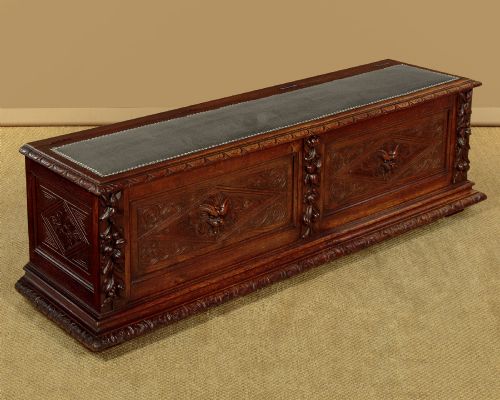
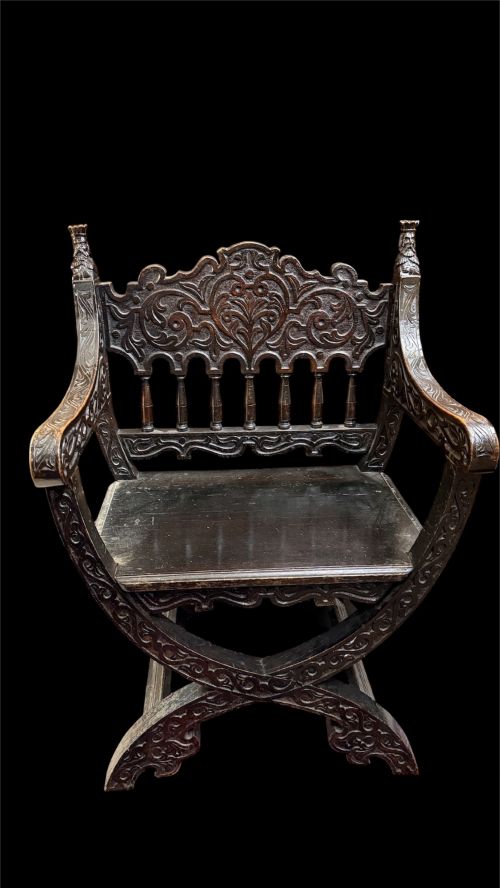
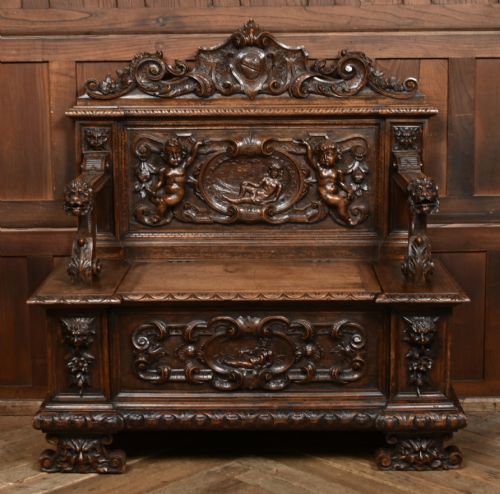
Seating spans diverse domestic functions, from monumental cassapanca storage benches designed for hallways to X-framed curule and Savonarola chairs. Dining sets and occasional corner chairs also appear, offering robust proportions and figural woodcarving.
Quality factors in revival seating
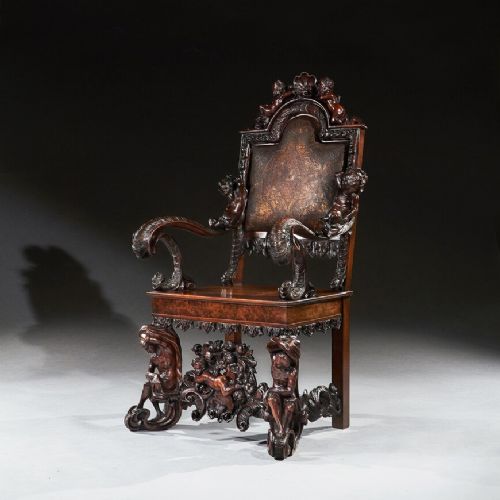
Quality rests upon the crispness and depth of the timber carving and the architectural proportion of the frame. Superior examples demonstrate confident hand-carved relief work rather than shallow machine routing or heavy applied composition ornament.
The choice of timber and the integrity of the underlying construction also define the grade of the piece. Selected figured walnut and quarter-sawn oak provide better structural stability and grain pattern than inferior secondary woods.
Renaissance Seating Retail Price Guide 2026
Typical asking prices for renaissance seating among the pieces listed under this phrase on Sellingantiques today, from the lower quarter to the upper quarter. They describe what is for sale here now, not the wider market.
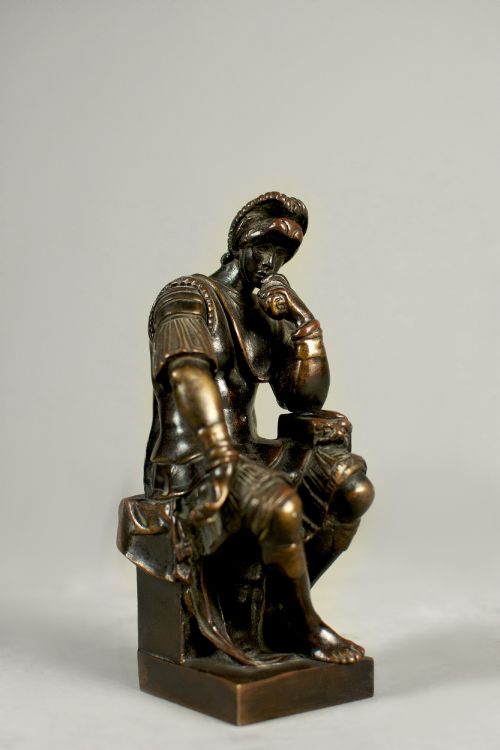
The archive demonstrates enduring interest in sixteenth-century forms reinterpreted during the Victorian era.
White, Allom and Co.·Andrea Brustolon
The Renaissance Seating Glossary
- Cassapanca
- A large wooden storage bench featuring a back and armrests, historically used in Italian hallways. This form combines seating with a deep chest beneath the seat.
- Savonarola chair
- An X-framed folding armchair constructed from multiple curved wooden slats. It derives its name from the Dominican friar associated with fifteenth-century Florence.
- Sgabello
- A light wooden chair featuring a high carved back and solid trestle supports instead of legs. These pieces were traditionally placed against walls in grand entryways.
- Monks bench
- A convertible piece of furniture that functions as a table when the back tilts forward over the seat. It provides dual utility as both a settle and a table.
- Curule
- An ancient Roman magistrate seat form characterised by intersecting curved legs forming an X shape. Revival versions frequently apply this geometry to walnut armchairs.
Renaissance Seating: Frequently Asked Questions
How do I identify renaissance revival furniture?
Renaissance revival pieces typically feature heavy architectural elements, dark woods such as oak and walnut, and deep relief carving depicting figures, grotesques, or foliage. Nineteenth-century makers often drew inspiration from sixteenth-century Italian and French models.
Examine the construction joints and timber patination to distinguish nineteenth-century interpretations from earlier sixteenth-century originals.
Where were hall benches placed?
Hall benches and cassapancas were traditionally positioned in grand entrance halls or corridors. They served as formal seating for visitors and practical storage for garments or household goods.
In modern interiors, these substantial wooden benches function effectively in large hallways, landings, or spacious dining rooms.
What is an X-frame chair?
An X-frame chair, such as a Savonarola or Dante model, utilises intersecting curved wooden supports that form an X shape when viewed from the side. This folding structure has ancient origins and was revived during the nineteenth century.
These chairs often feature intricate slat construction and carved crest rails, making them striking accent pieces in a study or drawing room.
How should I care for antique oak seating?
Maintain antique oak and walnut furniture by keeping it away from direct heat sources and fluctuating humidity. Apply a quality wax polish sparingly to nourish the timber and preserve the natural patination.
Avoid modern liquid cleaners or silicone sprays, which can penetrate open wood grains and damage the historic finish over time.