




Renaissance Oil Artwork
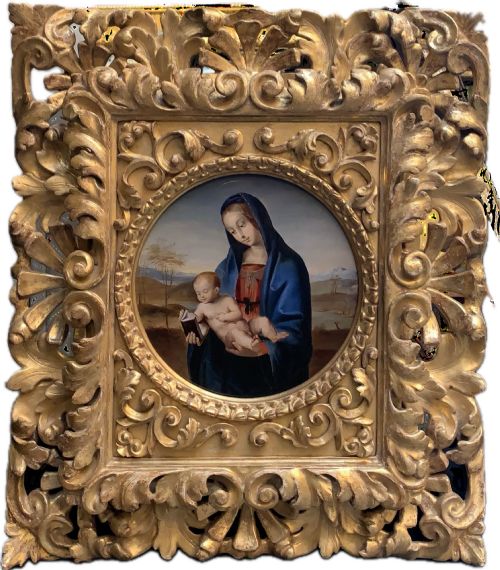
These pieces of renaissance oil artwork bring classical portraits and religious scenes into a room through oil paint on canvas, wood and giltwood frames.
Renaissance Oil Artwork
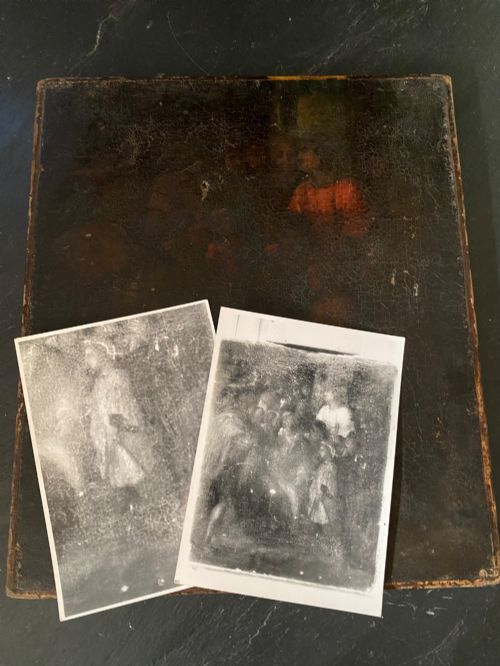
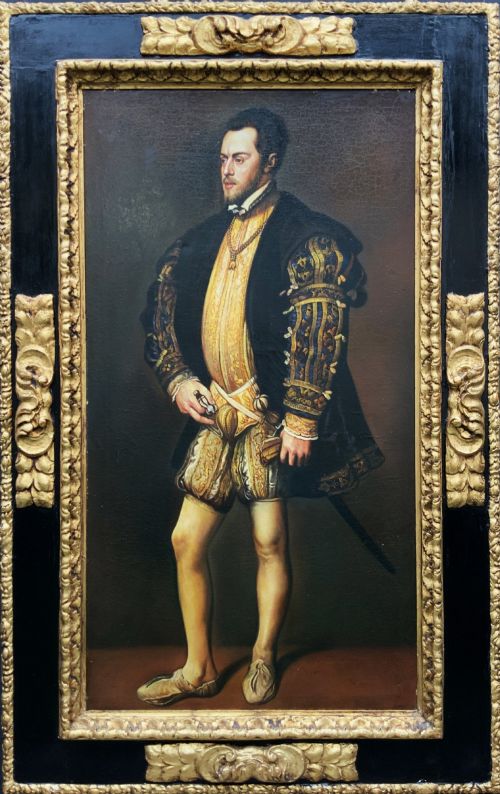
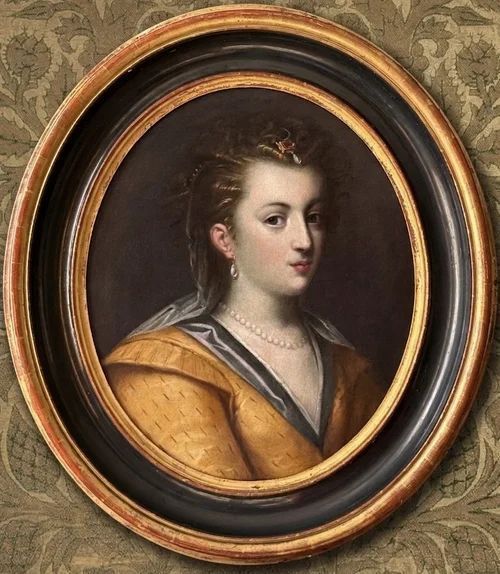
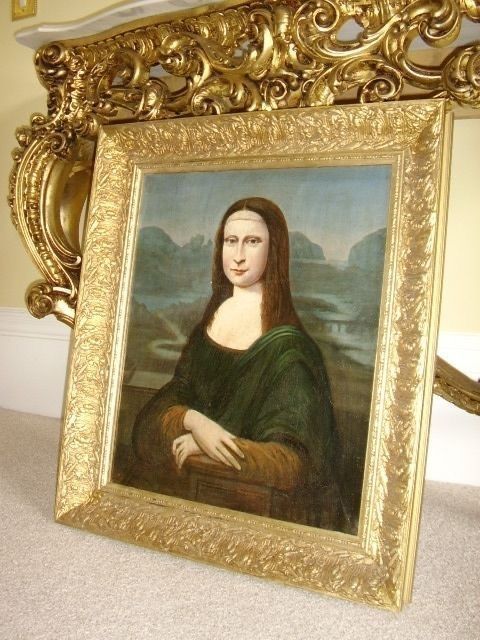
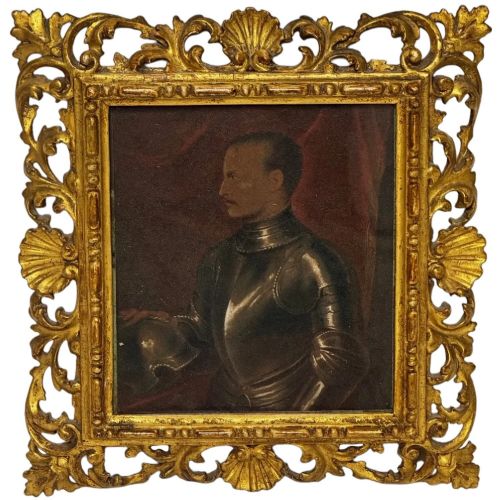
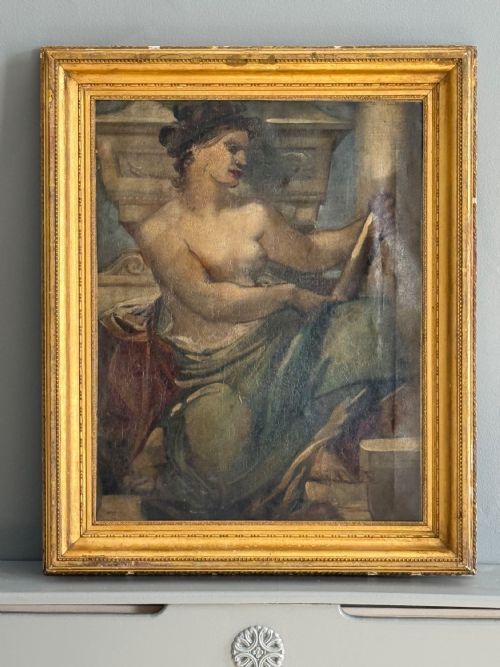
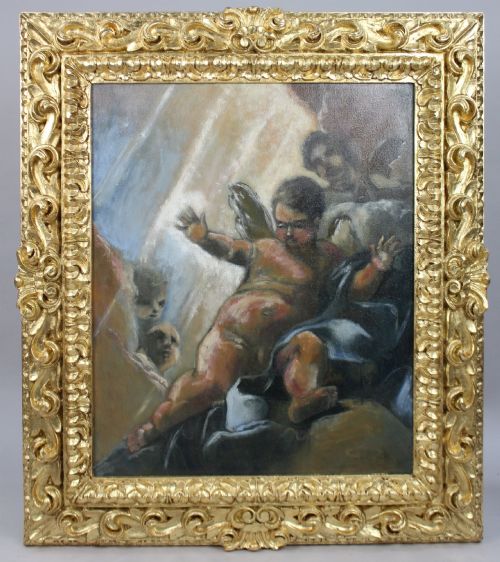
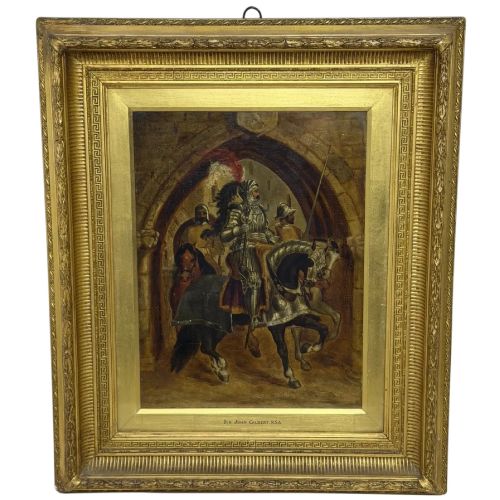
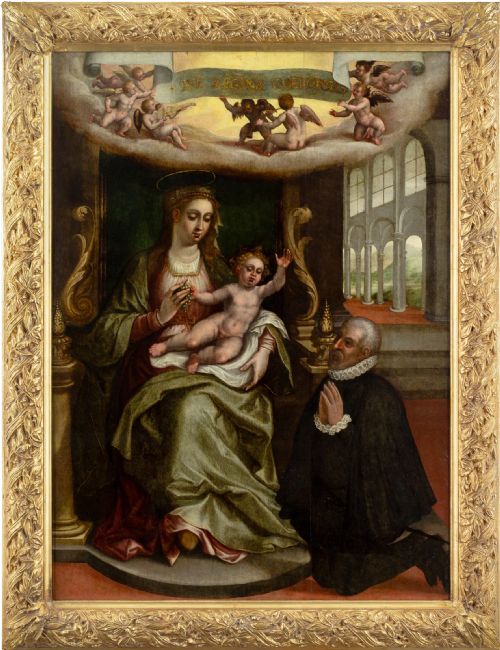
When you search for renaissance oil artwork, you find a mix of period pieces and later revival works spanning the sixteenth to the twentieth centuries. The selection contains Italian and Northern Renaissance subjects, including portraits of noblewomen, knights and scholars alongside religious scenes after masters such as Raphael, Leonardo da Vinci and Titian.
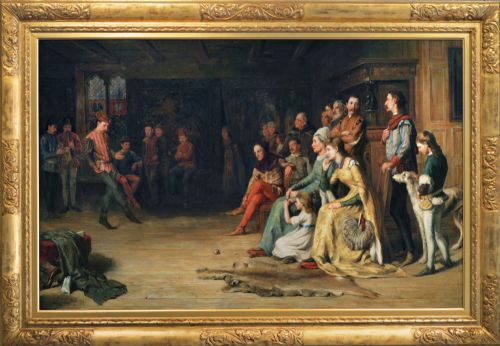
You meet sixteenth-century originals alongside nineteenth-century copies and revival pieces created in the style of earlier masters. These paintings span portraiture and historical genre scenes, often housed in carved giltwood frames that complement the classical compositions.
Materials and construction
The works utilise oil paint applied to canvas or wood panels, often complemented by gold leaf highlights on the painted surface or within the surrounding frames. Canvases are stretched over wooden frames, while panel paintings employ prepared wooden supports typical of earlier workshop practices.
Frames are frequently carved from wood and finished with giltwood, providing heavy ornamentation that matches the historical weight of the paintings they enclose.
Renaissance Oil Artwork Retail Price Guide 2026
Typical asking prices for renaissance oil artwork among the pieces listed under this phrase on Sellingantiques today, from the lower quarter to the upper quarter. They describe what is for sale here now, not the wider market.
Listings feature works spanning from the sixteenth century through the Edwardian era, utilising oil paint, wood, canvas and giltwood.
Factors of quality
Quality rests in the fidelity of the brushwork and the depth of the pigments, separating skilled studio copies from hurried decorative productions. The handling of light and shadow, particularly in drapery and flesh tones, reveals the competence of the painter.
The construction of the support frame and the integration of the carved giltwood surround contribute significantly to the overall integrity of the piece.
Gian Paolo Pace·Bernardino Luini·Sir John Gilbert·Miguel Barroso·Paolo Veronese·Benvenuto Tisi·Joachim Bueckelaer·Alfred Holst Tourrier·Raffaello Sanzio·Antonio Allegri·Scipione Pulzone·Giovanni Battista Moroni·Rosso Fiorentino·Hans Holbein·Girolamo Dai Libri·Ambrious Benson·John Bettes the Elder·Frans Pourbus the Elder
The Renaissance Oil Artwork Glossary
- Giltwood
- Wood that has been coated with gold leaf or gold paint. This material is standard for the elaborate frames accompanying classical portraiture and religious subjects.
- Oil on Canvas
- Pigment mixed with drying oil applied to a woven fabric support. This combination allows for rich blending of tones and enduring flexibility over centuries.
- Renaissance Revival
- A nineteenth-century artistic movement that consciously imitated the forms, techniques and subjects of fifteenth and sixteenth-century masters. Pieces from this period often replicate specific Renaissance compositions.
- Old Master
- A European painter of skill working before about eighteen hundred. Works attributed to the circle or followers of these figures emulate their distinct regional styles.
Renaissance Oil Artwork: Frequently Asked Questions
What is renaissance oil artwork?
These pieces comprise oil paintings created during the Renaissance period or later revival movements that imitate sixteenth-century styles. They range from original portraits to skilled studio copies of famous religious and historical compositions.
Subjects typically include noble figures, biblical scenes and classical mythology rendered in oil on canvas or wood panels, often set within heavy carved frames.
How were these paintings displayed?
Historical works were commissioned by wealthy patrons, nobility and religious institutions to adorn palaces, grand houses and churches. They served as markers of status, education and piety.
Today, buyers place these works in studies, libraries and living rooms where classical portraits and religious subjects provide a traditional focal point.
How do I identify a revival piece?
Revival works, particularly those from the nineteenth century, often use canvas preparations, stretcher types and framing techniques characteristic of later eras despite copying sixteenth-century compositions. Examining the back of the canvas or panel usually reveals clues about the age of the materials.
Pigment analysis and the style of the craquelure can also help distinguish a period original from a nineteenth-century homage painted after a master.
What subjects are most common?
Portraits of noblemen, poets and Venetian women appear frequently alongside religious groupings such as the Virgin and Child or the Holy Family. Many of these compositions are documented copies after masters like Raphael and Titian.
Historical genre scenes depicting domestic entertainment or everyday tradesmen also feature among the selection, reflecting nineteenth-century interests in historical narratives.