






Renaissance Oak Chest
A renaissance oak chest brings profound architectural presence and historic weight to a room, offering robust storage built to endure centuries.
Renaissance Oak Chest
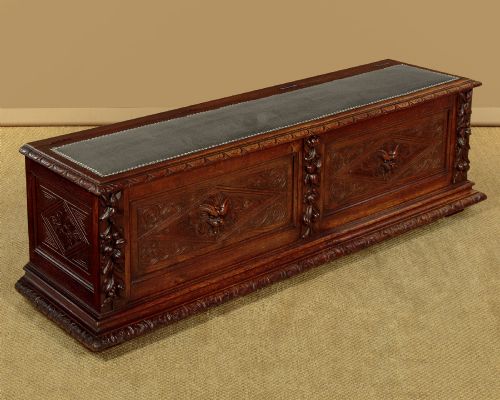
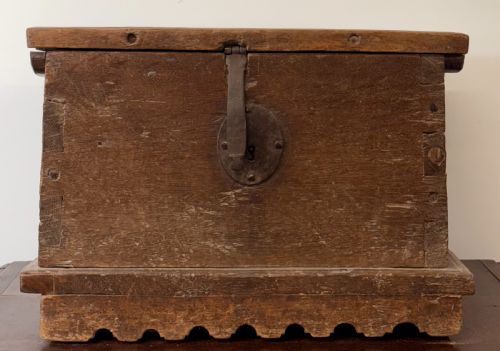
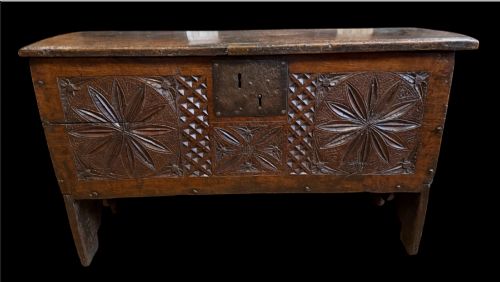
A renaissance oak chest represents solid timber construction designed primarily for secure storage, ranging from plank coffers to elaborate carved boxes. These pieces often feature heavy boards and sturdy joints that reflect domestic and institutional life from earlier centuries.
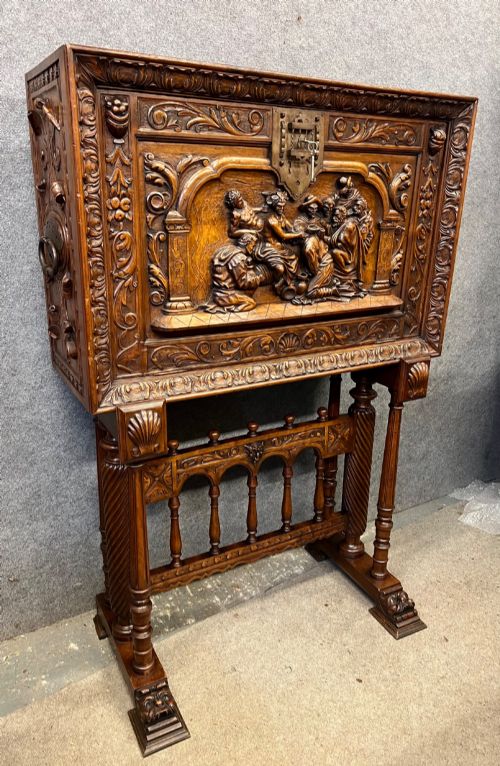
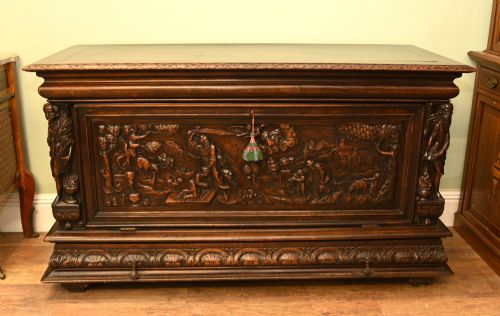
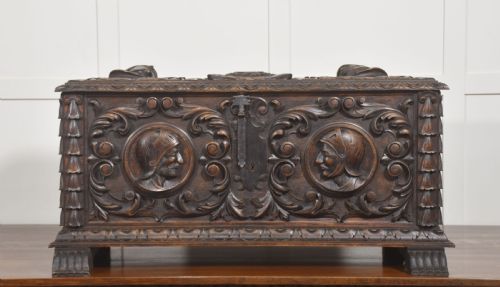
The selections available here span authentic sixteenth-century examples alongside later revival pieces produced during the nineteenth century. Buyers encounter straightforward plank constructions as well as highly decorative chests adorned with figural medallions and panel carving.
Origin and style variations include Flemish, Spanish, and Italian influences alongside domestic English or general European forms. While many items function as traditional storage chests, related forms such as hall benches, settles, and cabinets appear within this group.
How They Were Made
Master craftsmen built these pieces predominantly from solid oak and walnut, utilising thick timber planks joined to withstand heavy use. Iron, wrought iron, and brass hardware such as straps, hinges, and locks provided both structural reinforcement and security.
Surface ornamentation relied on deep chisel work, relief carving, and figural medallions pressed into the timber or applied in relief. Some examples incorporated specialised elements like bone inlay or leather components to accentuate the structural panels.
Renaissance Oak Chest Retail Price Guide 2026
Typical asking prices for renaissance oak chest among the pieces listed under this phrase on Sellingantiques today, from the lower quarter to the upper quarter. They describe what is for sale here now, not the wider market.
Listings feature periods spanning the sixteenth century through to the nineteenth century, including Victorian revival interpretations.
What Varies in Quality
The caliber of a renaissance oak chest rests on the depth and crispness of its hand-carved ornamentation, particularly in figural panels and medallions. Superior examples display confident, articulate chisel work rather than soft or repetitive mechanical shaping.
Integrity of materials and the retention of original ironwork heavily influence the standing of a piece. Original hinges, locks, and brackets demonstrate a higher degree of authenticity compared to later replacements.
The Renaissance Oak Chest Glossary
- Cofer
- A large chest used for storing valuables, garments, or documents. These sturdy containers often formed the primary furniture for storage in early households.
- Cassone
- An Italian antique chest or coffer, typically ornate and historically used for storing wedding trousseau items. They frequently feature elaborate carvings or painted panels.
- Plank coffer
- A primitive chest constructed from heavy boards joined directly at the edges. This straightforward method represents some of the earliest surviving forms of box furniture.
- Renaissance Revival
- A nineteenth-century architectural and decorative movement that imitated sixteenth-century styles. Pieces from this period borrow heavily from earlier Renaissance motifs.
- Vargueno
- A distinctive type of cabinet originating in Spain, usually featuring a drop-front writing surface over drawers. They often sit upon a dedicated stand and display intricate ornamentation.
Renaissance Oak Chest: Frequently Asked Questions
How old is a renaissance oak chest?
Authentic pieces date back to the sixteenth century, reflecting the original Renaissance period in Europe. Later interpretations and revival pieces also appear from the nineteenth century.
Examination of the timber, joint construction, and tool marks helps determine whether a piece originates from the early period or represents a later nineteenth-century revival.
Where were these chests used?
These robust storage items served domestic, ecclesiastical, and official functions across various European regions including Italy, Spain, Flanders, and England. They held valuable textiles, documents, and household goods.
Placed primarily in grand halls, chambers, or religious institutions, their secure construction protected contents from theft and environmental damage.
How do I place one in a modern home?
A renaissance oak chest functions effectively as a focal point in a hallway, living room, or bedroom. Its flat top surface allows for displaying lamps or decorative objects while internal space provides practical storage.
Due to their substantial weight and dark timber tones, these pieces anchor a room well when paired with simpler, contemporary surroundings or traditional interiors.
How do I spot a revival piece?
Nineteenth-century revival pieces often display machine-cut timber elements and standardised carving techniques that differ from sixteenth-century hand-tool methods. Hardware attachment methods also provide clues to age.
Comparing the patination of the wood and the integration of the ironwork helps distinguish between an original sixteenth-century artefact and a Victorian interpretation.