
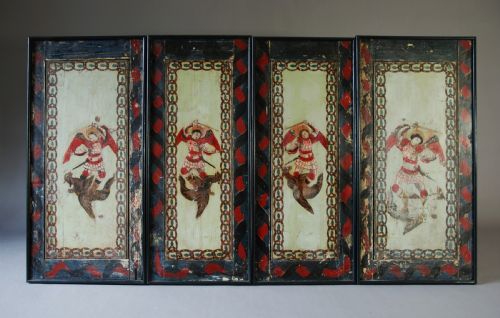
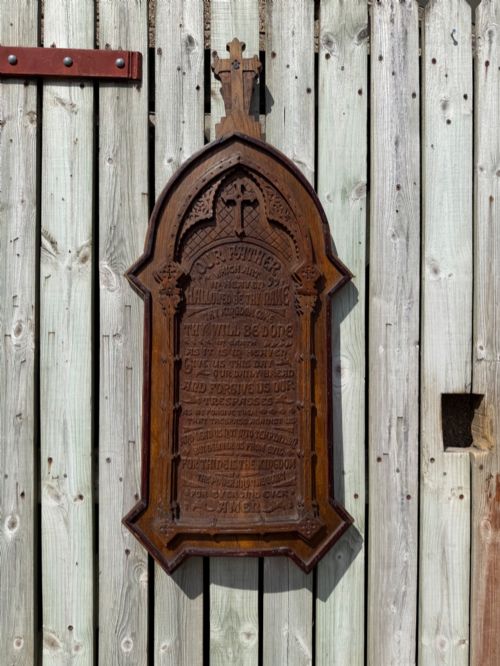
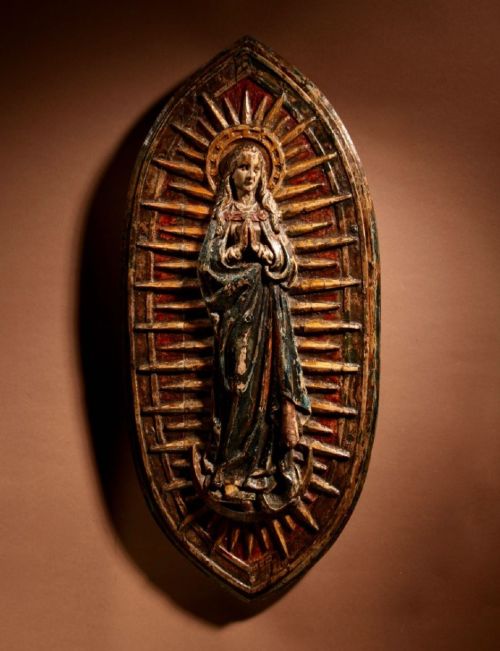
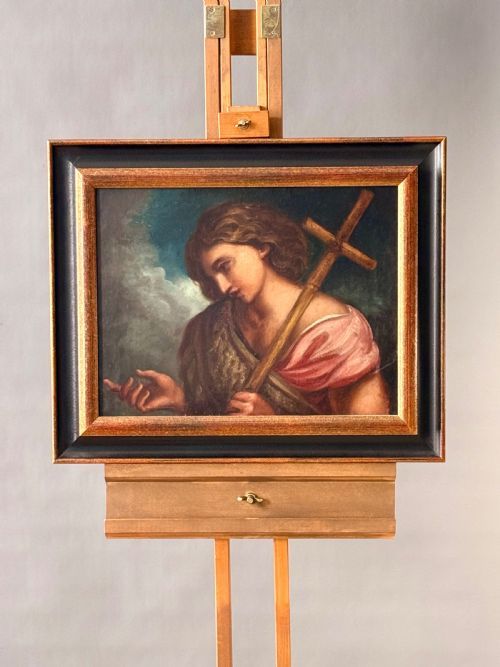


Religious Wood Wall Art
Religious wood wall art spans centuries of devotional craftsmanship, offering tactile panels, icons and paintings that bring profound historical devotion directly into your interior.
Religious Wood Wall Art
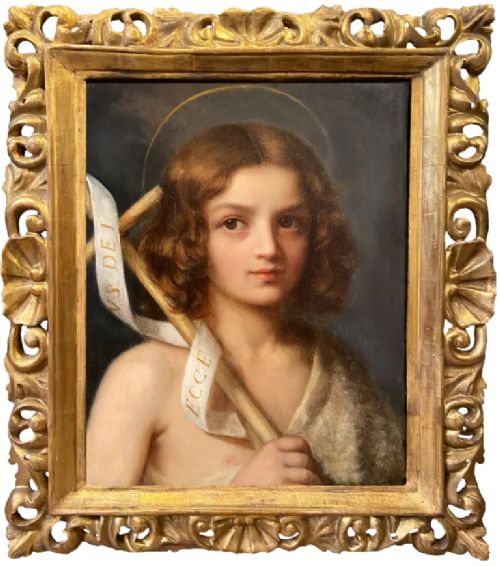
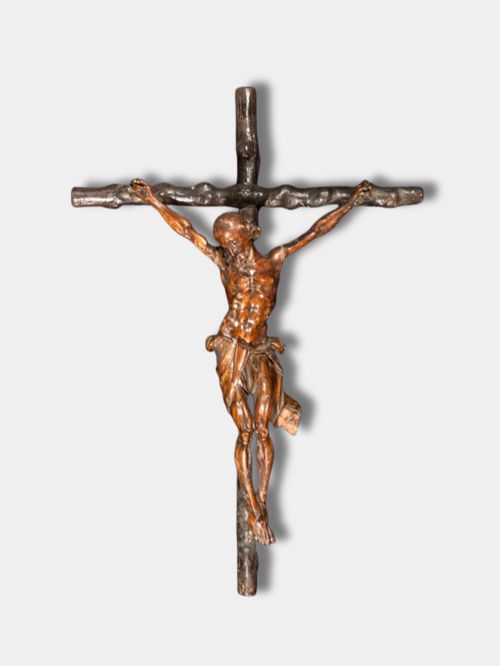
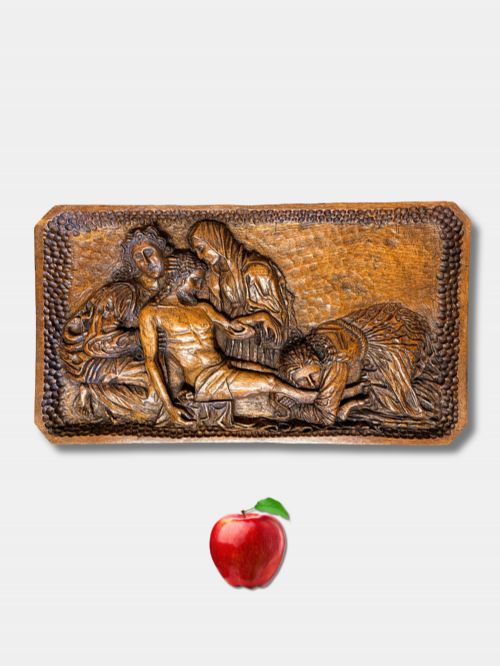
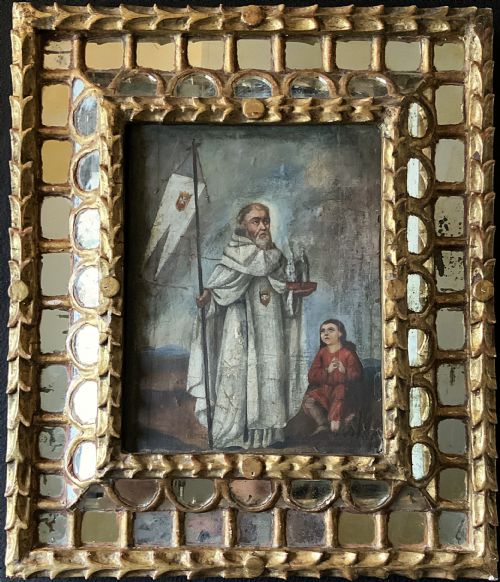
Religious wood wall art encompasses a diverse array of devotional objects created to adorn sacred and domestic spaces across multiple centuries. When exploring religious wood wall art, you encounter everything from carved oak panels and fruitwood reliefs to oil paintings on wooden supports and Russian icons.
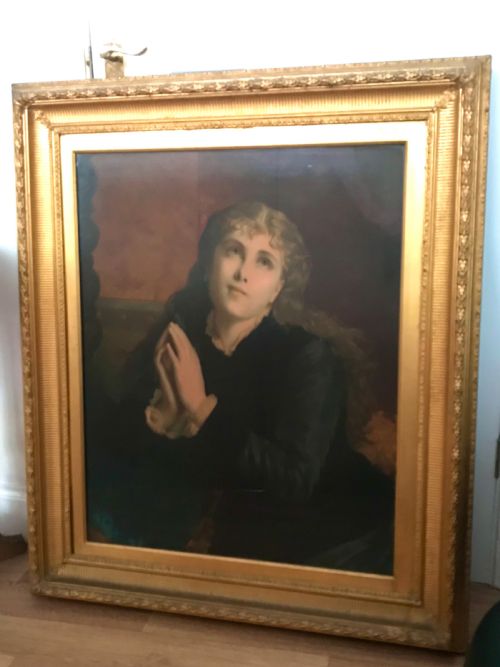
The selection ranges from sixteenth-century medieval altarpiece fragments to nineteenth-century oleographs and twentieth-century prints mounted on timber. These pieces originate from various European schools, including Italian, Spanish, Flemish, and German workshops, reflecting deep regional traditions of faith and artistry.
You are most likely to meet seventeenth-century carved panels and eighteenth-century oil paintings on panel or canvas within this gathering. Each piece serves as a tangible link to historical practices of worship, storytelling, and interior ornamentation.
How they were made
Makers utilised solid timbers such as oak, walnut, pine, fruitwood, chestnut, and mulberry wood as structural supports or direct carving mediums. Carved reliefs often exhibit intricate hand-chizzled details, sometimes enhanced with gesso and gold leaf to highlight sacred figures and drapery.
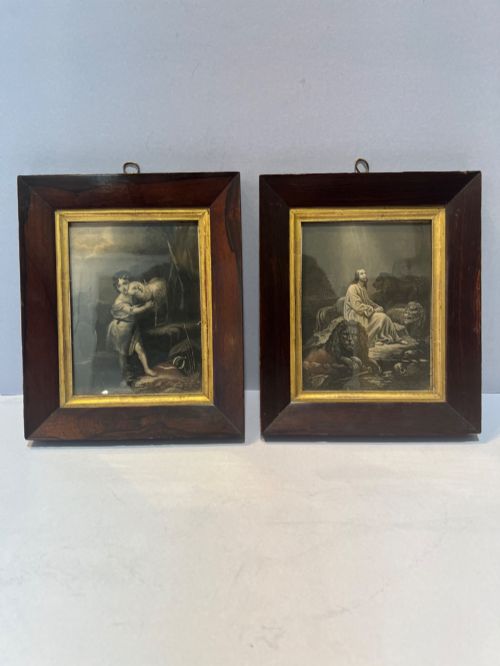
Painted works frequently combine oil paint, tempera, or enamel on wood panels, canvas under glass, or copper. Reverse glass paintings and engraved prints protected by frames demonstrate the varied techniques employed to preserve devotional imagery over generations.
The listings span from the sixteenth century through the Edwardian era, featuring materials like oil on canvas, mulberry wood, and gold leaf.
What varies in quality
The degree of anatomical precision and expressive depth in the carving or painting sets individual pieces apart. Masterful handling of light, shadow, and emotional resonance in figures distinguishes workshop pieces executed by skilled hands from more naive or regional cottage productions.
The integrity of the original wooden support, the preservation of early paint or gilding layers, and the authenticity of period framing dictate the overall stature of a piece. Finer examples retain their original surface patination without heavy modern intervention.
Gaspar de Figueroa·Scipione Pulzone·Antonio Tempesta·Pompeo Batoni·Antonio Capellan
The Religious Wood Wall Art Glossary
- Altarpiece
- A structure depicting a religious subject that is mounted behind or upon an altar. These often featured carved wooden central panels depicting saints or biblical scenes.
- Icon
- A devotional painting of a holy person or object, typically executed on wood panels with tempera, silver, and gilt. Russian icons represent a prominent tradition within this category.
- Gesso
- A plaster mixture used as a smooth base for paint or gold leaf on wood panels. It prepared the timber surface to receive fine decorative detailing.
- Oleograph
- A mechanical colour print textured to imitate an oil painting on canvas. These nineteenth-century reproductions brought religious portraiture into wider domestic circulation.
- Pyrography
- The art of decorating wood by burning designs with a heated tool. Also known as pokerwork, it was occasionally utilised for folk art panels depicting prophets.
Religious Wood Wall Art: Frequently Asked Questions
Where were these devotional panels originally displayed?
Many of the earlier carved panels and altarpiece fragments originated inside churches, monastic chapels, or private domestic oratories. They served as focal points for contemplation, prayer, and liturgical storytelling.
Later nineteenth-century pieces and Russian icons were frequently created for domestic corner shrines or personal devotion within family homes. Their scale was deliberately chosen for intimate interior spaces.
How do I tell an icon from a standard oil painting?
Icons are traditionally painted on prepared wooden panels using tempera, often incorporating precious metal leaf such as gold or silver to signify holiness. They follow strict iconographic formulas passed down through monastic traditions rather than individual artistic invention.
Standard oil paintings on wood or canvas allow for greater naturalistic perspective and painterly expression. The presence of a gilt oklad or riza over a wooden panel often indicates an icon.
How do I care for antique wood wall art?
Protect antique wood panels and paintings by avoiding direct sunlight, which fades pigments and dries out ancient timber. Maintain stable room temperatures and moderate humidity to prevent the wood from warping or splitting over time.
Dust surfaces gently with a soft, dry cloth and avoid applying modern chemical polishes or water directly to painted or gilded areas. Professional conservation is recommended for any structural repairs.