




Religious Altar Sculpture
These religious altar sculpture pieces span centuries of devotional carving, bringing sacred presence and historic craftsmanship directly into your interior.
Religious Altar Sculpture
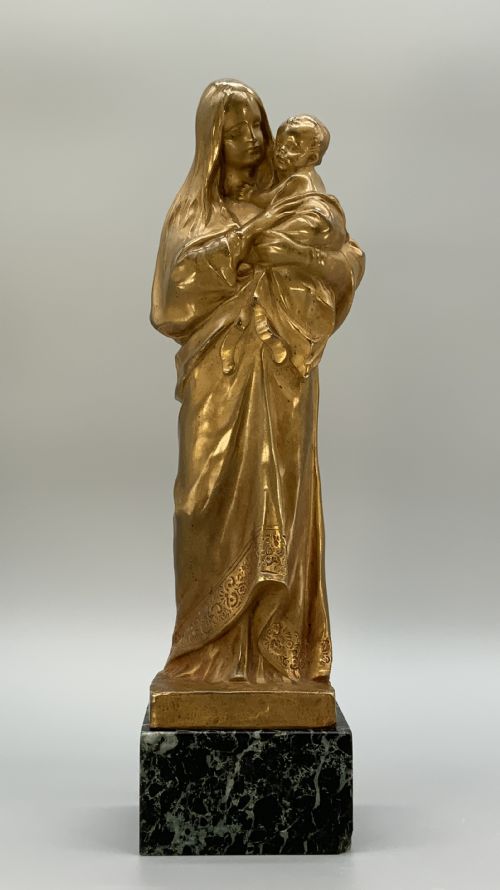
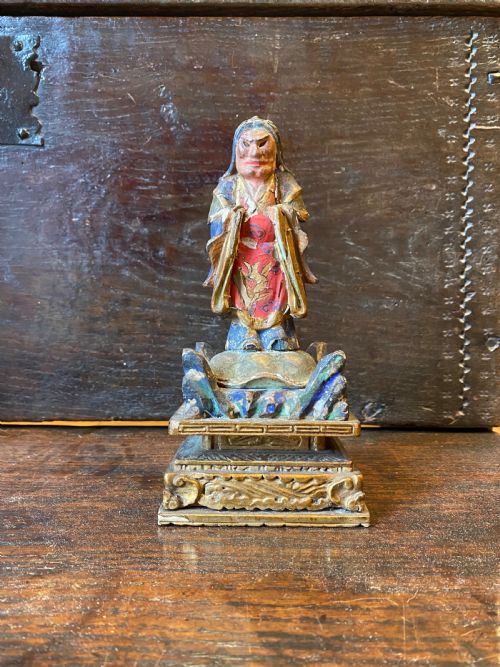
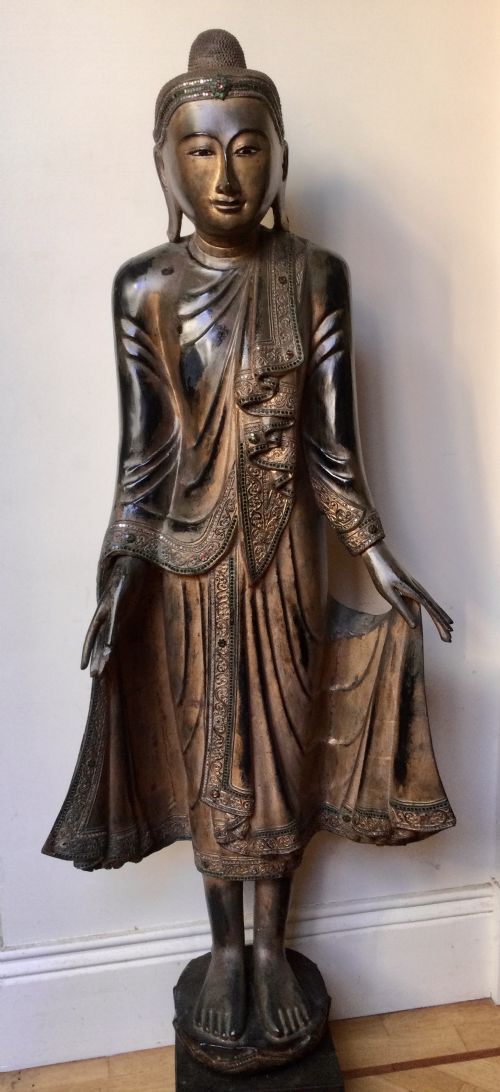
When you search for religious altar sculpture, you encounter a diverse collection of devotional items rooted in various spiritual traditions and centuries of craftsmanship. The selection encompasses European Christian figures and Asian deities, reflecting global expressions of faith.
Most examples you meet on this page take the form of standing statues, crucifixes, and carved panels originating from periods ranging from pre-16th century mediaeval works up to the twentieth century. These objects served sacred functions in domestic shrines, churches, and temples.
Formations vary widely, from substantial Italian angels and French corpus Christi figures to Southeast Asian Buddhas and folk art interpretations. Each piece embodies the distinct aesthetic and devotional requirements of its original cultural context.
How they were made
Makers utilised traditional woodworking techniques, carving figures from dense timbers such as oak, boxwood, lime wood, and olive wood. These wooden foundations often received applications of polychrome paint, lacquer, and gold leaf to heighten their visual impact.
Beyond carved wood, certain pieces demonstrate metal casting methods, resulting in solid bronze deities and gilt bronze sculptures. Artisans occasionally integrated glass inlay details to catch the light within dim sacred spaces.
Among the angels listed are a pair specifically catalogued as alters love angels.
What varies in quality
The survival of original surface treatments, such as polychrome paint and gold leaf, significantly influences the character of a piece. Traces of historical wear reveal the active devotional life these sculptures experienced over generations.
Hans Müller
The Religious Altar Sculpture Glossary
- Polychrome
- Painted in several colours. This finish was commonly applied to wood carvings to enhance realism and symbolic resonance.
- Corpus Christi
- Latin for body of Christ. This term specifically denotes the figure of Jesus on the cross.
- Gilt wood
- Wood that has been treated with a thin layer of gold leaf. It creates a luminous surface that reflects candlelight on an altar.
- Santos figure
- A carved representation of a saint or divine figure used in religious practices. They frequently feature articulated limbs and detailed vestments.
- Gothic
- An architectural and artistic style spanning the mediaeval period. It is characterised by pointed arches and naturalistic figurative sculpture.
Religious Altar Sculpture: Frequently Asked Questions
How were these sculptures used?
Devotees utilised them to aid meditation, mark sacred spaces, and honour saints or divine figures. They stood centrally on altars or within domestic shrines.
Over time, many transitioned from active liturgical service into secular collections, prized for their historical and artistic significance.
How do I live with an altar sculpture?
Placing these pieces in a quiet corner or upon a mantelpiece allows their historic presence to anchor a room. They pair well with understated modern interiors where their tactile surfaces stand out.
Keep them away from direct heat sources and strong sunlight to protect delicate wood surfaces, gold leaf, and polychrome paint.
How do I tell periods apart?
Early pieces from the mediaeval and Gothic eras often display heavier, stylised drapery and dense mediaeval oak construction. Later nineteenth-century examples frequently show more fluid anatomical forms and varied folk art interpretations.
Examining the tool marks, timber choice, and deterioration of underlying gesso or paint helps determine the age of the carving.