





Relief Moulded Ceramic Dish
These relief moulded ceramic dish selections bring substantive Victorian kitchenware and earlier earthenware directly to your table with robust tactile detail.
Relief Moulded Ceramic Dish
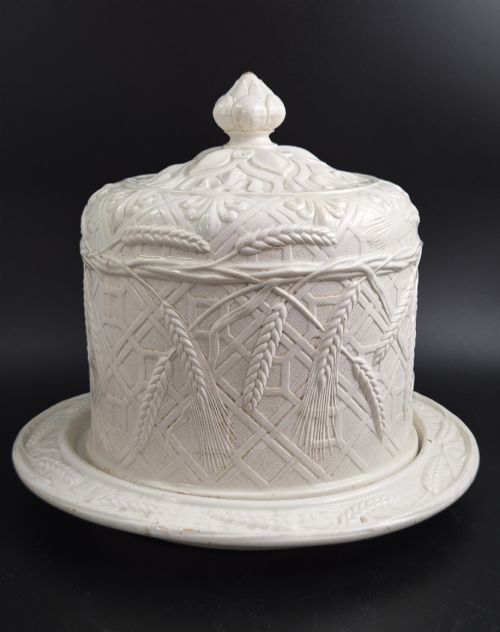
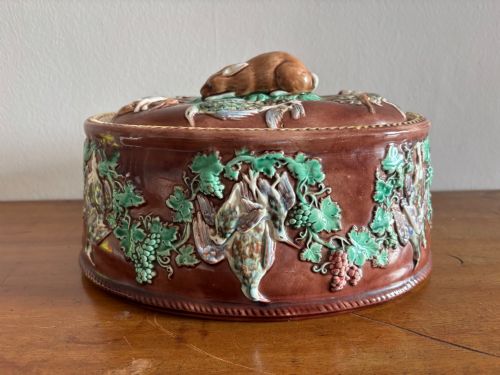
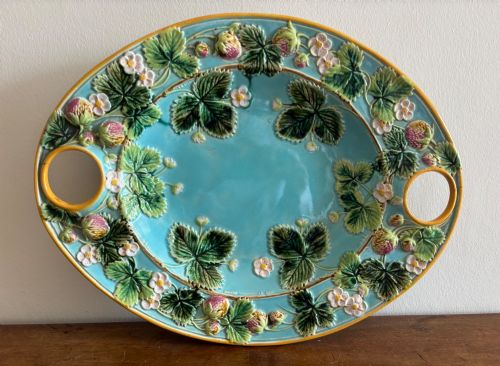
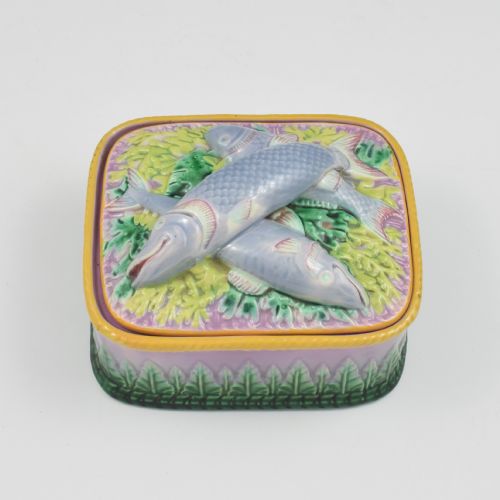
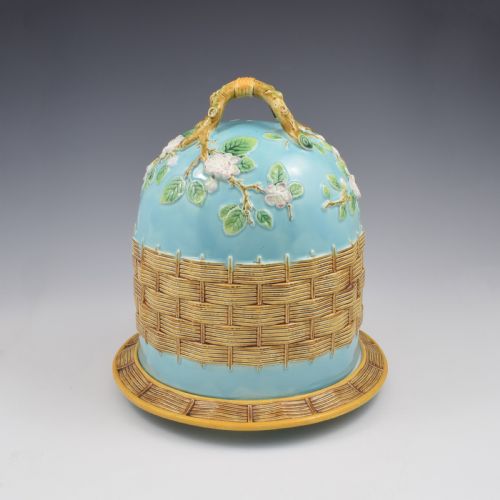
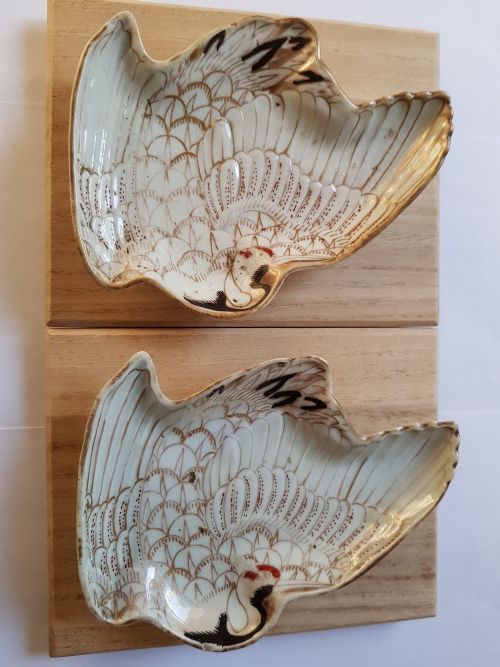
When you search for a relief moulded ceramic dish, you encounter substantial tableware designed primarily for Victorian dining, alongside earlier earthenware and occasional Japanese examples. The selection on this page centres heavily on Victorian pieces, specifically functional serving vessels such as cheese domes, game pie dishes, sardine boxes, platters, and tureens.
The forms span domestic utilitarian objects intended for heavy household use as well as decorative items featuring distinct raised patterns. You will frequently find robust white ironstone and rich majolica finishes adorning these pieces, reflecting the manufacturing output of the nineteenth century.
How they were made
Potters produced these items using durable earthenware, ironstone, caneware, and terracotta, shaping them with moulds to achieve the characteristic raised surface decoration. Skilled artisans then applied lead glaze, vibrant majolica colours, or iron red, black, and gold pigments depending on the regional tradition.
The moulding process allowed workshops to impart intricate botanical or avian motifs directly into the clay body before firing. Subsequent glazing sealed the ceramic surface, imparting either a crisp white finish or a lustrous coloured sheen across the relief details.
Relief Moulded Ceramic Dish Retail Price Guide 2026
Typical asking prices for relief moulded ceramic dish among the pieces listed under this phrase on Sellingantiques today, from the lower quarter to the upper quarter. They describe what is for sale here now, not the wider market.
Listings feature Victorian earthenware, ironstone, and caneware formed into cheese domes, game pie dishes, and tureens.
What varies in quality
Quality in these ceramics rests upon the crispness of the moulded relief and the control demonstrated during the glazing process. Superior examples maintain sharp, well-defined surface patterns where the motifs remain distinct from the surrounding body.
The sophistication of the palette and the evenness of the glaze application further distinguish finer pieces from standard domestic wares. Makers who achieved balanced colour placement and clean lines elevated simple kitchen vessels into accomplished decorative works.
George Jones·Wedgwood
The Relief Moulded Ceramic Dish Glossary
- Ironstone
- A dense, durable type of earthenware patented in the nineteenth century to imitate Chinese porcelain. It provides a strong white body well-suited for heavy domestic serving pieces.
- Majolica
- A type of earthenware glazed with opaque tin enamels or translucent coloured lead glazes over moulded relief designs. This technique produced vibrant, glossy surfaces popular in Victorian tableware.
- Caneware
- A fine-grained, unglazed or lightly glazed stoneware exhibiting a warm, biscuit-like buff colour. It was frequently utilised for moulded game pie dishes and culinary vessels.
- Cheese dome
- A large lidded cover and matching stand designed to protect and present cheese at the dining table. They often feature elaborate botanical or geometric relief moulding.
Relief Moulded Ceramic Dish: Frequently Asked Questions
What were relief moulded ceramic dishes used for?
These vessels served practical culinary and dining purposes in nineteenth-century households, functioning primarily as containers for serving cheese, game pies, bread, and sardines at the table.
Their robust construction allowed them to withstand daily domestic use while presenting food within an ornate, decorative setting.
How do I identify a Victorian piece?
Victorian examples typically present characteristic nineteenth-century material compositions such as white ironstone, caneware, or colourful majolica glazes. The decorative motifs often rely on botanical themes, lattice work, or animal forms typical of the period.
Examining the weight, glaze consistency, and moulding style helps place the object within the broader nineteenth-century production era.
Are these dishes safe for food use?
While historic ceramics were made for dining, older glazes and bodies can react differently to modern food storage and dishwasher cleaning. Many collectors prefer to treat them as decorative display items rather than functional kitchenware.
Gentle hand washing without harsh detergents is standard practice for maintaining the integrity of antique glazes.
How should I display them at home?
These pieces suit placement on open shelving, sideboards, or dining tables where their three-dimensional relief work can catch the light. Pairing lidded domes with their original stands creates a striking focal point in a room.
Ensuring stable placement protects the heavier earthenware forms from accidental knocks.