



Regulator Tall Case Clock
These regulator tall case clock pieces combine precision timekeeping with stately proportions, offering both architectural presence and mechanical mastery for your home.
Regulator Tall Case Clock
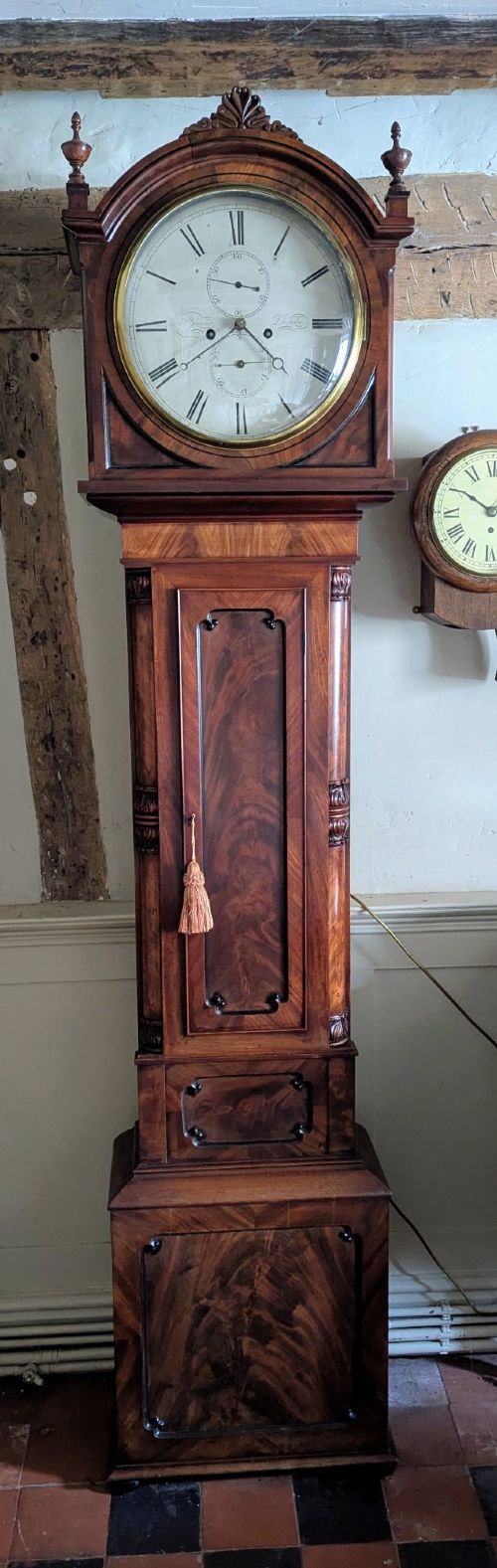
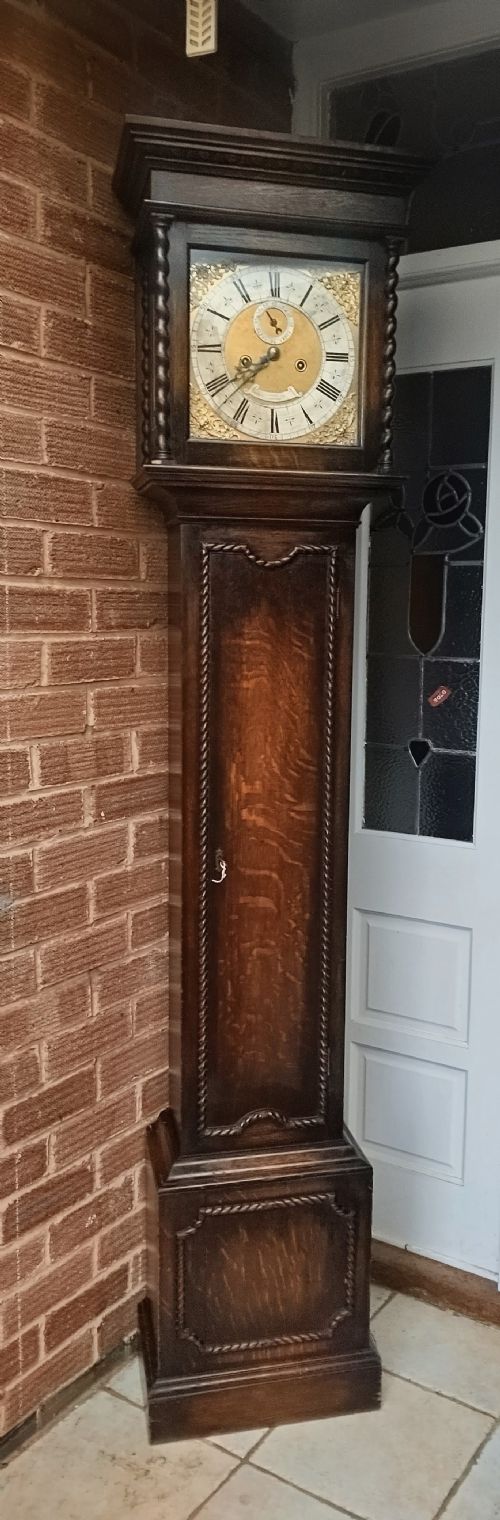
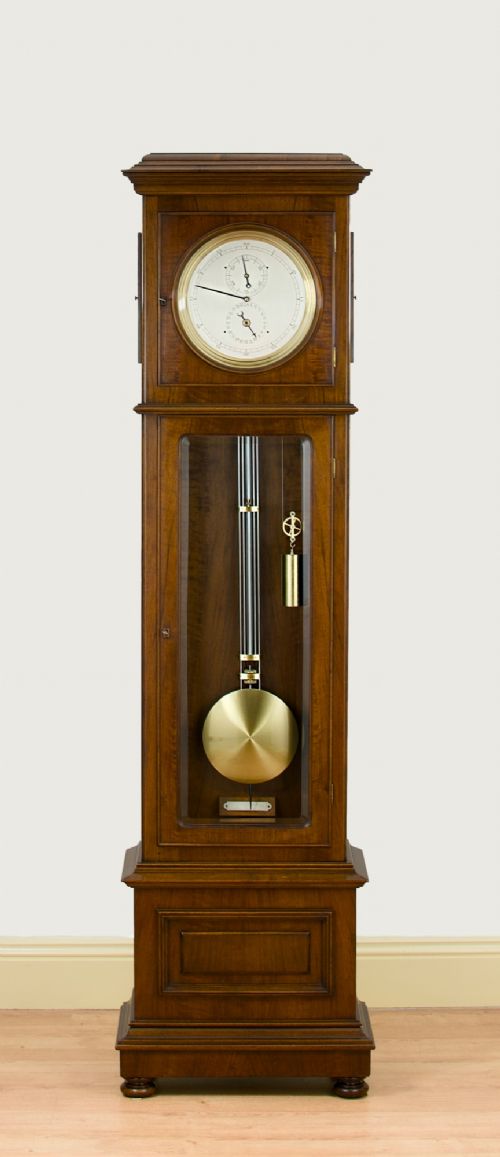
When you search for a regulator tall case clock, you are looking at tall timepieces designed for superior accuracy and visual authority. The examples on this page span several centuries, including the eighteenth, nineteenth, and early twentieth periods.
You will encounter pieces rooted in Georgian, Victorian, and Edwardian eras, alongside revival forms and French Louis XV styles. These clocks take the shape of longcase, grandfather, and grandmother clocks housed in substantial floor-standing vertical cases.
Makers such as Gillett & Johnston, Lenzkirch, James Wood, and Hampston Prince & Cattles of York appear in the evidence. Domestic regulators sit alongside precision instruments bearing movements by London and provincial makers.
Materials and construction
The cases are constructed from timbers including mahogany, oak, walnut, maple, and kingwood, showing deep grain and polished surfaces. Glass panels protect the dial and pendulum while allowing a clear view of the interior mechanics.
Dials and internal components utilise brass, silvered metal, and gilt bronze, creating contrast against the dark wood enclosures. Ormolu mounts appear on French stylistic variations, adding metallic ornamentation to the arched or rectilinear wooden structures.
Regulator Tall Case Clock Retail Price Guide 2026
Typical asking prices for regulator tall case clock among the pieces listed under this phrase on Sellingantiques today, from the lower quarter to the upper quarter. They describe what is for sale here now, not the wider market.
Materials seen across the listings include mahogany, oak, walnut, maple, kingwood, glass, brass, silvered metal, and gilt bronze.
Judging quality in these pieces
The distinction between ordinary and exceptional pieces lies in the sophistication of the movement and the integrity of the cabinetwork. High-tier examples feature precision movements by recognised makers, housing complex mechanisms designed for exact timekeeping.
Cabinet quality shows in the choice of veneers, such as figured mahogany or kingwood, and the crispness of carved or applied details. Proportion, proportion in the arched hood, and the unblemished state of silvered metal dials separate standard domestic clocks from precision instruments.
Lenzkirch·Gillett & Johnston·James Wood·French Royal Exchange·Hampston Prince & Cattles of York
The Regulator Tall Case Clock Glossary
- Regulator clock
- A high-precision timepiece originally used as a standard for setting other clocks and watches. These movements prioritise accurate timekeeping over striking complications.
- Longcase clock
- A tall, free-standing clock enclosed in a wooden case with a weighted pendulum hanging inside the main trunk. They are frequently referred to as grandfather clocks.
- Silvered metal
- A metallic dial surface treated with a silver compound to produce a pale, reflective finish. Graduations and maker inscriptions are typically engraved and filled with dark wax for legibility.
- Gilt bronze
- Copper alloy treated with a layer of gold to give a durable metallic finish. It is often found on mounts and decorative dial surrounds in French stylistic pieces.
- Movement
- The internal mechanical assembly of gears, springs or weights, and escapements that drive the clock hands. Precision movements require careful calibration to maintain exact time.
Regulator Tall Case Clock: Frequently Asked Questions
What is a regulator tall case clock?
It is a tall, floor-standing clock built for high precision and timekeeping accuracy. These pieces feature specialised movements housed in wooden cases with glass viewing panels.
The listings show examples ranging from eighteenth-century provincial pieces to early twentieth-century precision instruments by notable makers.
How do I identify the period?
Period identification relies on cabinet style, wood selection, and dial characteristics. Georgian and Victorian pieces show traditional proportions, while Edwardian and later examples adopt specific revival details.
The evidence records styles spanning Jacobean Revival and French Louis XV alongside standard nineteenth-century forms.
Where were these clocks made?
The pieces originate from English workshops as well as continental makers. English examples often feature regional makers from locations like York and London.
French influences also appear through ornate ormolu mounts and Louis XV styling within the recorded inventory.
What woods are used in the cases?
Case construction utilises dense hardwoods selected for stability and appearance. Mahogany, oak, walnut, maple, and kingwood are all documented in the listings.
These timbers are often polished to highlight natural grain patterns and complement brass or silvered metal dials.
How do I live with one?
Living with a tall case clock requires a stable, level floor and a dry environment to protect the wooden case and delicate internal mechanics. Regular winding and periodic professional maintenance keep the movement functioning correctly.
Their vertical proportions allow them to fit into hallways, landings, and principal rooms as architectural focal points.