



Regional English Oak Chairs
Regional english oak chairs bring honest country craftsmanship straight into your home, offering sturdy seats rooted in local history.
Regional English Oak Chairs
Regional english oak chairs encompass centuries of local rural seating, spanning armchairs, side chairs, and dining chairs across periods from the seventeenth century through to the Edwardian era. These pieces draw on distinct vernacular traditions, appearing in styles ranging from early joined construction to Windsor forms and spindle backs.
The evidence shows a strong showing of seventeenth-century vernacular pieces alongside nineteenth-century farmhouse examples and later stylistic revivals. Regional traits emerge clearly across localities such as Yorkshire, the Thames Valley, Shropshire, Suffolk, and East Anglia, reflecting the specific timber supplies and seating preferences of each area.
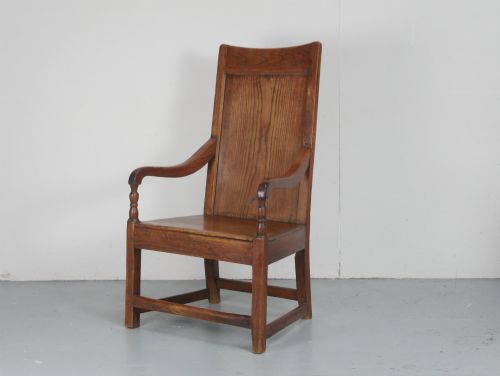
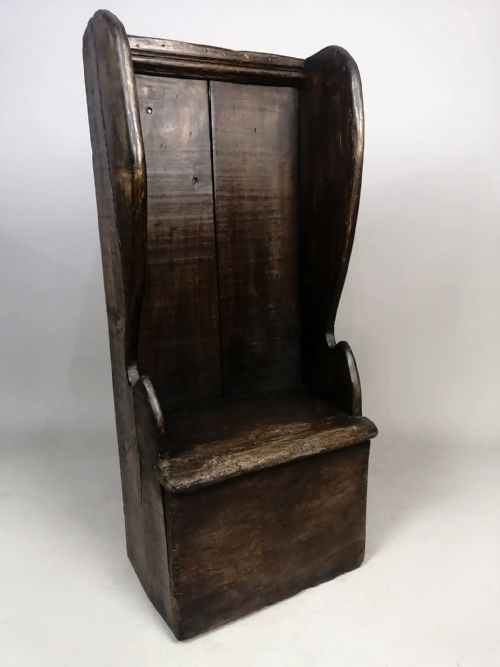
Buyers encounter everything from high-back armchairs with solid timber wings to sets of rush-seated dining chairs and low-slung child's lambing chairs. Oak forms the structural backbone of these pieces, frequently partnered with supportive seating woods and woven rush bases.
Materials and Construction
Makers built these chairs using robust native hardwoods, predominantly oak for frames alongside elm, ash, fruitwood, beech, and yew for seats, spindles, and arms. This mix of woods suited the varied structural demands of country furniture, placing rigid oak where strength was paramount.
Seating areas often combined solid timber planks with woven rush, while select examples incorporated upholstery or fabric coverings. Carpenters employed traditional joined frameworks, turned spindles, and pegged joints to construct pieces capable of enduring decades of heavy farm and household use.
Regional English Oak Chairs Retail Price Guide 2026
Typical asking prices for regional english oak chairs among the pieces listed under this phrase on Sellingantiques today, from the lower quarter to the upper quarter. They describe what is for sale here now, not the wider market.
Judging Quality and Origin
Quality rests in the purity of regional design characteristics and the integrity of the original timber construction. Pieces retaining their early joined frames or authentic regional spindle layouts show the highest standard of country craftsmanship.
The choice of secondary woods and the execution of turned elements further distinguish the work. Chairs demonstrating clear local vernacular identity, whether from Thames Valley or Yorkshire traditions, hold superior architectural presence.
The Regional English Oak Chairs Glossary
- Backstool
- An early upholstered or panel-backed single chair without arms, common in seventeenth-century interiors.
- Spindle back
- A chair construction utilising multiple thin turned uprights fitted into the backrail for support.
- Windsor chair
- A traditional seat featuring a solid wooden saddle-shaped seat into which the legs and back spindles are directly bored.
- Joined chair
- A piece constructed using traditional mortise and tenon joints secured with wooden pegs rather than metal fastenings.
- Rush seat
- A seating surface woven from dried marsh rushes, providing a flexible and supportive base.
Regional English Oak Chairs: Frequently Asked Questions
What is a lambing chair?
A lambing chair is a traditional enclosed wooden armchair featuring high sides and a wing back designed to block cold drafts in rural homes.
These functional seats often incorporate solid lower panels and sometimes feature small under-seat storage compartments for warming bricks or tending to livestock.
How do I identify regional styles?
Regional styles reveal themselves through distinct turning patterns, backrest designs, and the specific woods favoured by local makers in areas like Yorkshire or the Thames Valley.
Comparing structural details such as broad arms, spindle arrangements, and wheelback motifs helps connect a chair to its geographical origin.
Are these chairs comfortable for daily use?
Most regional country chairs offer sturdy upright support designed for practicality rather than deep lounging.
Solid timber seats and woven rush bases provide firm seating, which many owners soften with removable cushions tailored to fit the seat proportions.
What woods were used in making them?
Makers relied heavily on native British timbers, using oak for the main structural frames and legs.
Secondary woods like elm, ash, fruitwood, and beech frequently appear in seats, arms, and turned spindles due to their flexibility and local availability.
How do I date an antique oak chair?
Dating relies on examining construction methods, tool marks, timber shrinkage, and stylistic shifts from joined seventeenth-century frames to later nineteenth-century Windsor forms.
Comparing the specific joinery and design vernacular against known period examples provides the clearest indication of age.