



Regional Country Armchair
These regional country armchairs are vernacular seats shaped by local woods and traditions, offering honest construction and centuries of practical utility.
Regional Country Armchair
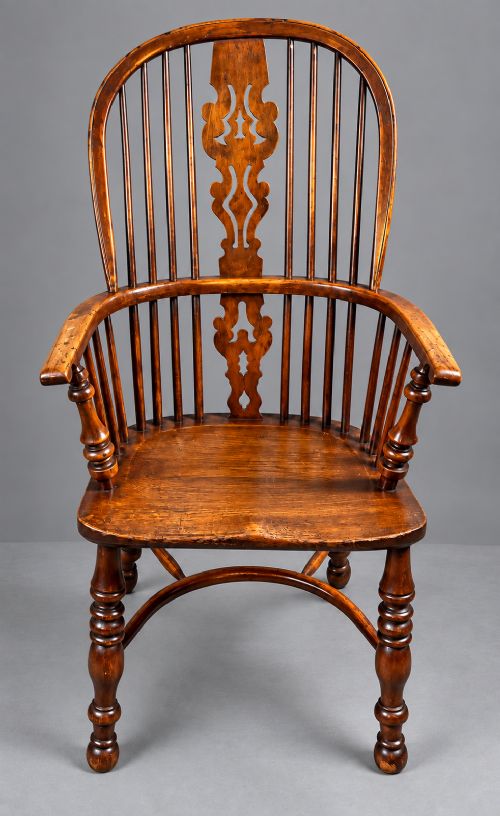
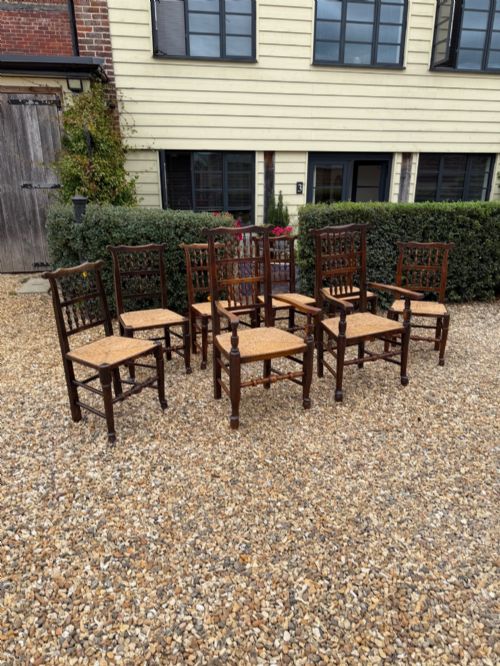
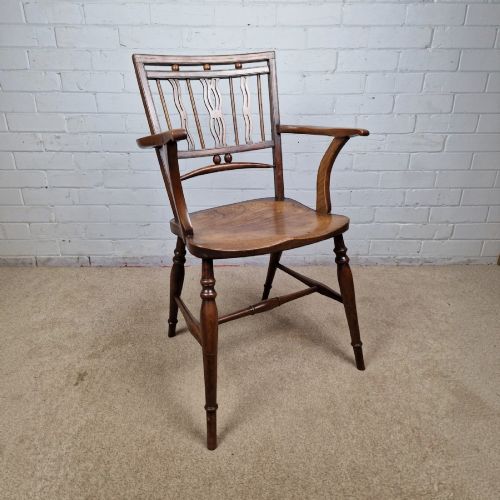
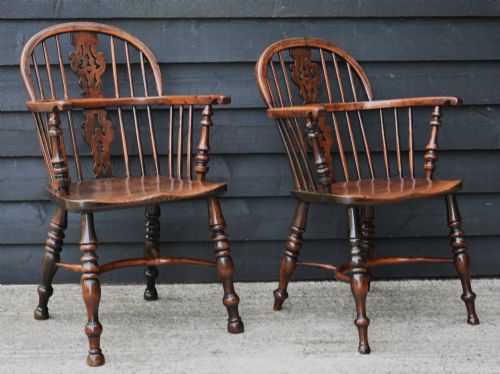
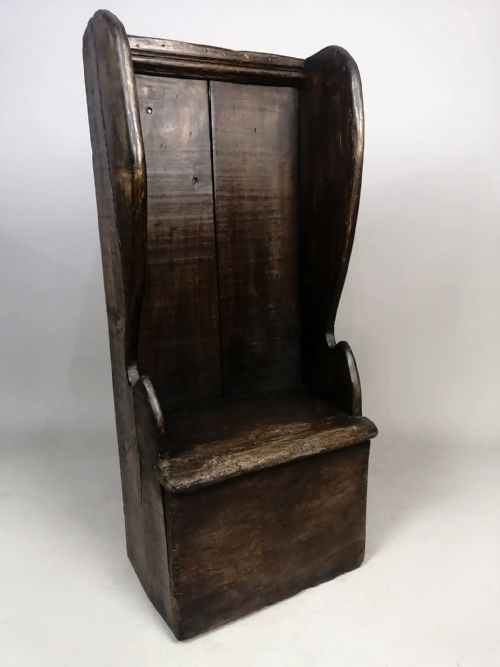
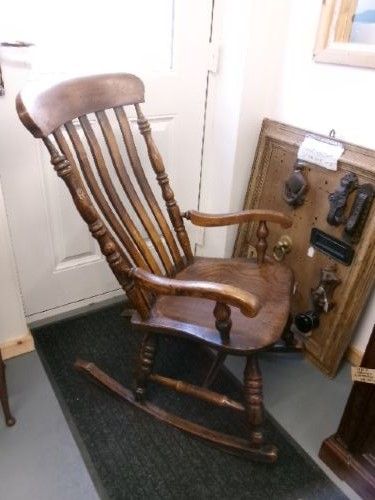
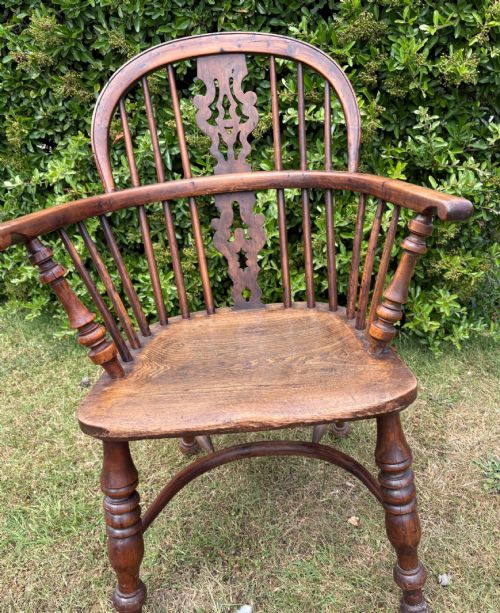
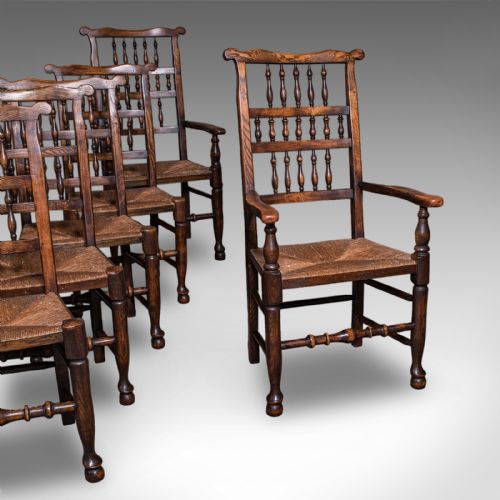
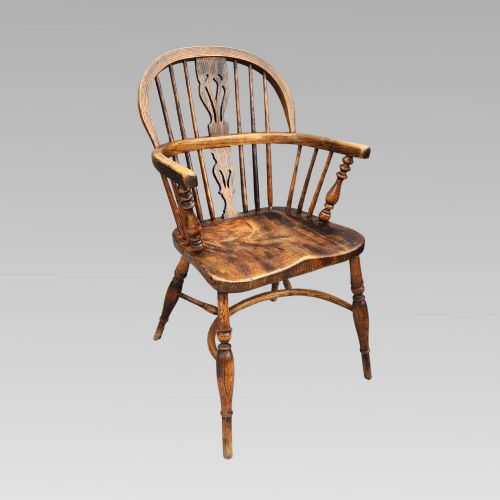
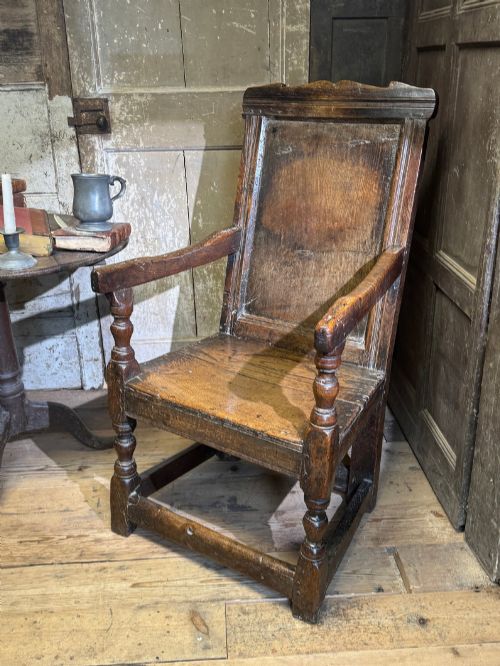
A regional country armchair represents the local vernacular traditions of British cabinet makers and bodgers working outside major metropolitan centres. These seats span from the late seventeenth century through the Edwardian period, encompassing robust wainscot forms, spindle backs, lambing chairs and regional Windsor designs. Buyers searching for a regional country armchair will encounter significant variety in local building styles, from Thames Valley wheelbacks to Yorkshire broad arm variants.
The evidence shows a strong concentration of Windsor chairs alongside vernacular prototypes built in provincial workshops. Yorkshire, Nottinghamshire, and the Thames Valley emerge as distinct producing regions with characteristic brace backs, comb backs and distinctive seat forms. Examples range from low-backed low-slung seating to high-backed masterpieces intended for the master of the house or the farmhouse hearth.
How they were made
Local timber selection defined the construction, utilising native hardwoods that grew close to the workshop. Elm provided tough, interlocking grain suitable for solid carved saddles seats, while yew supplied richly figured wood for bending into hoops and arms. Ash, beech, fruitwood and oak served for turned spindles, legs and structural framing.
Green woodworking techniques allowed craftsmen to shape unseasoned timber so that joints tightened naturally as the wood dried. Steam bending shaped the continuous bows and arm rests of Windsor chairs, while traditional wedged tenons locked legs firmly into the solid wood seats without modern adhesives.
Native timbers dominate the inventory, with elm, yew, ash, oak, beech, fruitwood and rush appearing across regional forms.
What varies in quality
The distinction between ordinary utility seating and superior examples rests upon timber selection and sculptural fluency. Grain pattern in yew wood and the depth of carving in an elm saddle seat separate regional pieces made with genuine ambition from simpler workshop output. Maker attribution also elevates certain items, particularly signed or stamped chairs from recorded regional workshops.
Proportion and structural survival dictate the standing of surviving examples. Chairs retaining their original height, unaltered turnings, and a rich warm surface patina demonstrate superior preservation compared to those altered or heavily sanded during later upkeep.
Gabbitass Worksop·John Brand of Sleaford·Duncan McKellar of Fenwick·John Moss Worksop·Allsop Worksop
The Regional Country Armchair Glossary
- Windsor chair
- A chair built with a solid wooden seat into which the legs and back sticks are independently inserted. This form relies on a stout plank base for stability rather than a continuous frame.
- Wainscot armchair
- An early heavy wooden armchair constructed from panelled oak components. These rigid seats date predominantly to the seventeenth century and reflect high status domestic utility.
- Spindle back
- A chair back filled with slender turned wooden vertical rods. These members distribute weight efficiently while providing light structural support.
- Lambing chair
- An enclosed high backed wooden armchair featuring solid wings designed to block cold draughts near an open hearth. They frequently incorporate under-seat storage boxes.
- Broad arm
- An armchair featuring one exceptionally wide, flat arm paddle intended for writing or eating. This functional enlargement is characteristic of specific regional Windsor traditions.
Regional Country Armchair: Frequently Asked Questions
What is a regional country armchair?
A regional country armchair is a vernacular wooden seat made by local tradesmen using native timbers specific to their district.
These chairs reflect the distinct construction habits of areas like the Thames Valley, Yorkshire, and Nottinghamshire rather than standardised London workshop designs.
How do I identify a Windsor chair?
A Windsor chair is distinguished by its thick solid wood seat that directly receives the legs below and the back spindles above.
Unlike upholstered frames, the structural components remain visible and depend on interlocking wood joints for strength.
Where were these chairs used?
These seats served primary roles in farmhouses, country houses, and provincial cottages around the hearth and dining table.
Specific forms like lambing chairs provided shelter from draughts, while broad arm variants offered a convenient surface for writing.
What woods were used?
Makers relied on native British hardwoods such as elm for solid saddle seats and yew for flexible bentwood hoops.
Ash, beech, fruitwood and oak also appear frequently for turned legs, spindles, and structural stretchers.
How do I date an antique armchair?
Dating relies on comparing construction methods, joinery types, and timber patination against documented examples from specific centuries.
Regional styles evolved gradually from seventeenth century wainscot panelwork through eighteenth century Windsor forms to nineteenth century vernacular adaptations.