



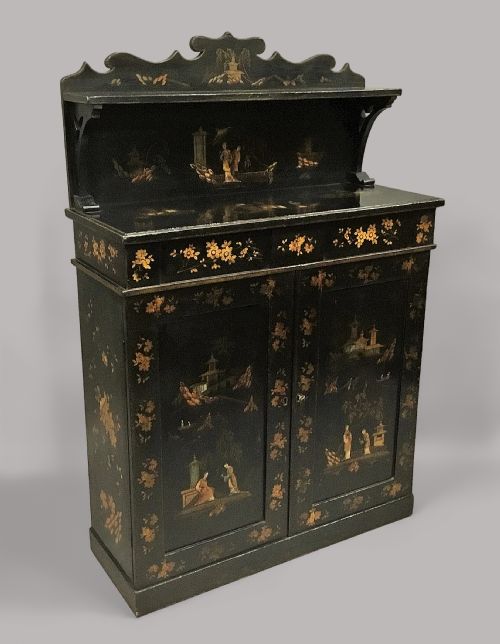


Regency Wooden Display Cupboard
A regency wooden display cupboard brings architectural proportion and rich grain into a room, offering practical storage alongside a stage for treasured possessions.
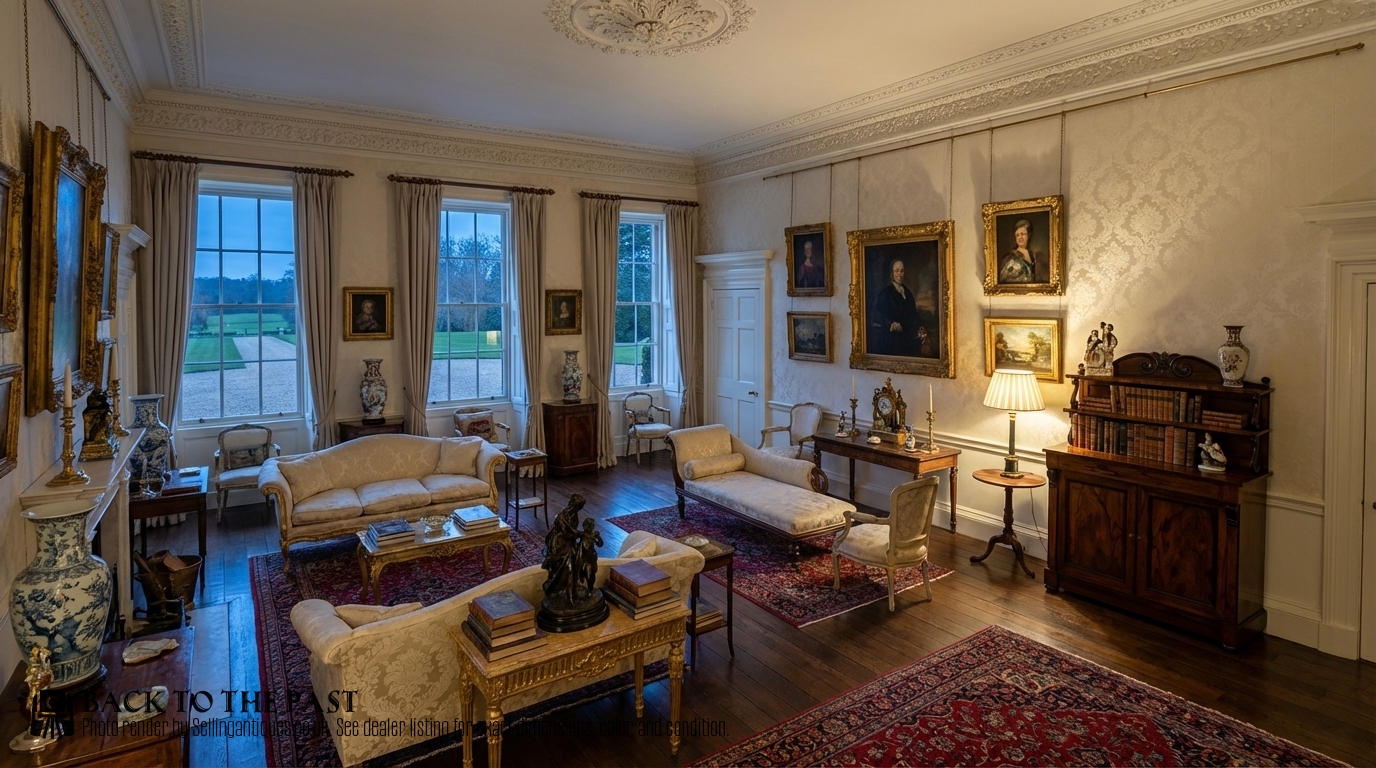
Regency Wooden Display Cupboard
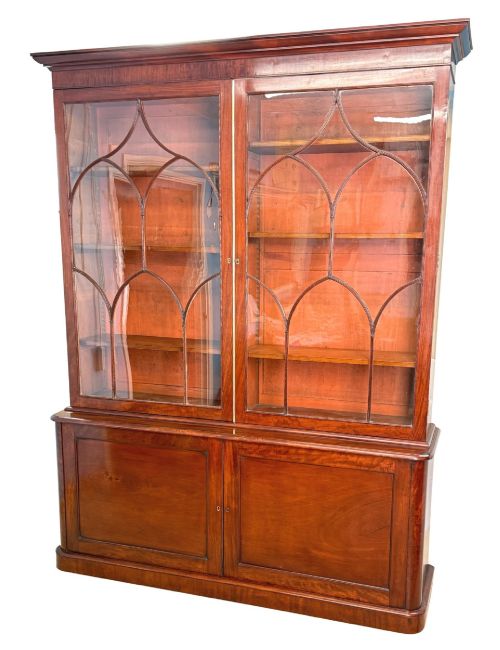
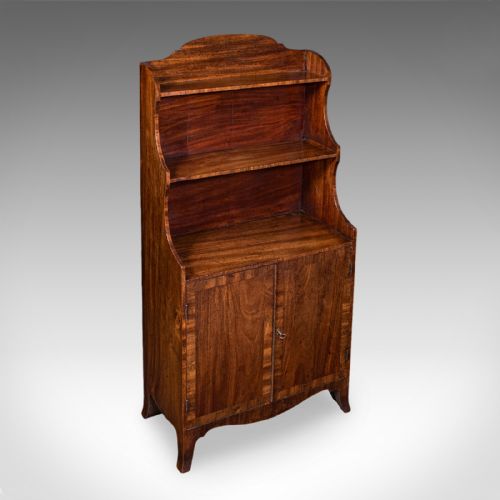
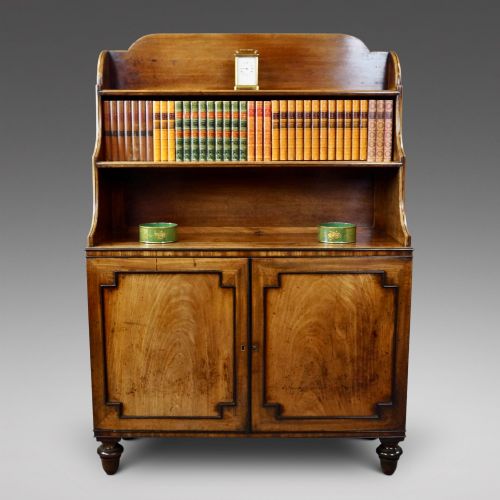
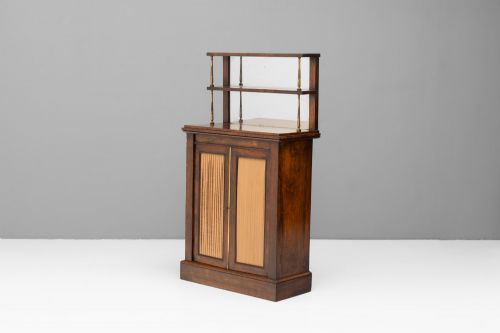
When searching for a regency wooden display cupboard, a buyer is examining a lineage of functional storage furniture that spans from the Georgian and Regency eras into the nineteenth century. These pieces appear in forms ranging from waterfall bookcases and chiffoniers to breakfront bookcases, side cabinets, and corner cupboards.
The version most commonly encountered on this page is constructed from mahogany, often featuring glazed doors or open shelves designed to house books and display objects. Alongside these, examples in rosewood, amboyna, and painted wood demonstrate the diverse aesthetic choices of the period, from formal country house items to diminutive pedestal cabinets.
Materials and Construction
Makers utilised solid timbers alongside flame mahogany veneer to achieve striking visual depth on flat surfaces and doors. The incorporation of brass details and glass panels provided contrast and protection for the contents displayed within.
Structural variety is evident in pieces utilising painted finishes, simulated rosewood, and specialised woods like thuya. Joinery techniques ensured sturdy construction for substantial corner cupboards and delicate waterfall bookcases alike.
Regency Wooden Display Cupboard Retail Price Guide 2026
Typical asking prices for regency wooden display cupboard among the pieces listed under this phrase on Sellingantiques today, from the lower quarter to the upper quarter. They describe what is for sale here now, not the wider market.
Listings feature mahogany, rosewood, amboyna, and thuya wood, spanning Georgian, Regency, and Victorian periods across bookcase and cabinet forms.
Evaluating Quality and Execution
The distinction between standard pieces and the finest examples rests on the selection of timber figures, such as highly figured mahogany or vibrant flame mahogany veneer. Superior execution shows in the precision of brass mounts, fine detailing, and the crispness of turned or carved elements.
Proportion and scale also dictate worth, with diminutive or unusual formats demonstrating greater ambition from the cabinetmaker. The integration of specialised glazing bars and refined hardware separates standard storage from exceptional decorative pieces.
The Regency Wooden Display Cupboard Glossary
- Chiffonier
- A low sideboard or cabinet featuring a combination of shelves, drawers, and enclosed cupboard space below. They frequently appeared in Regency interiors as serving pieces or small display units.
- Breakfront
- A cabinet design where the central section projects forward from the flanking wings. This architectural arrangement creates a dynamic interplay of depth and shadow across the facade.
- Waterfall Bookcase
- A set of open shelves diminishing in size from bottom to top, often incorporating a small cupboard at the base. The stepped profile resembles cascading water.
- Pedestal Cabinet
- A freestanding, often columnar cabinet designed to support objects or sculpture while offering internal storage. Pairs of these items frequently anchor architectural wall spaces.
- Glazed
- Fitted with glass panels to protect books or display items from dust while maintaining visibility. These doors are typically divided by wooden or brass framing bars.
Regency Wooden Display Cupboard: Frequently Asked Questions
How were these cupboards used historically?
Historically, these cabinets served in drawing rooms, libraries, and parlours to store books, ceramics, and personal collections.
The enclosed lower cupboards kept items out of sight while upper glass or open shelves allowed for polite display.
Where should I place a chiffonier?
A chiffonier works well against a principal living room wall where its low profile permits art or mirrors to hang above.
The surface acts as a useful shelf while the lower cupboard offers discreet storage for household items.
How do I identify a Regency piece?
Regency furniture is identified by classical proportions, restrained classical ornamentation, and the use of rich timbers like mahogany and rosewood.
Details such as brass inlays, brass grilles, and simulated wood finishes often point directly to this period.
Are corner cupboards practical for modern rooms?
Corner cupboards utilise neglected room angles to provide substantial storage without dominating the main floor area.
Their triangular footprint allows them to fit neatly into dining rooms or hallways while displaying collections effectively.