

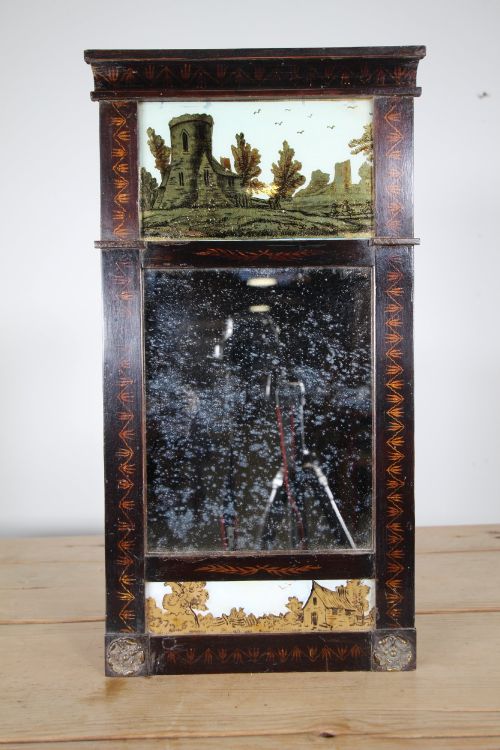
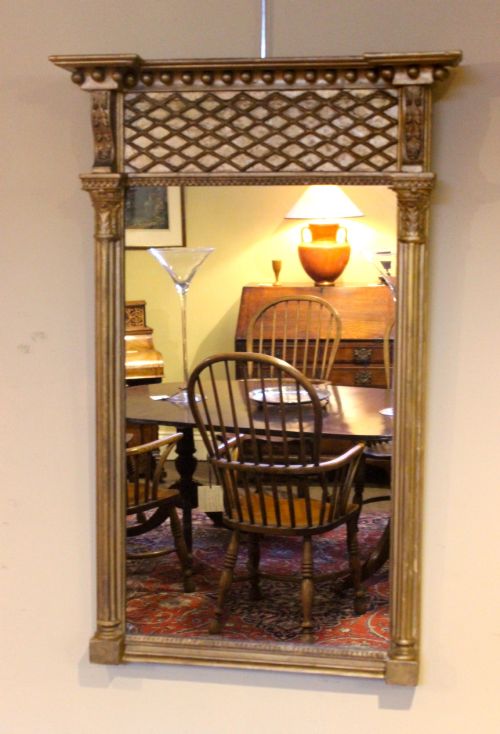
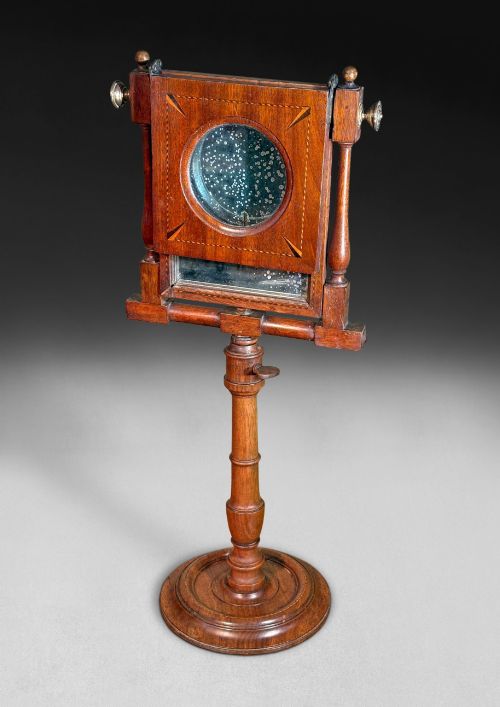
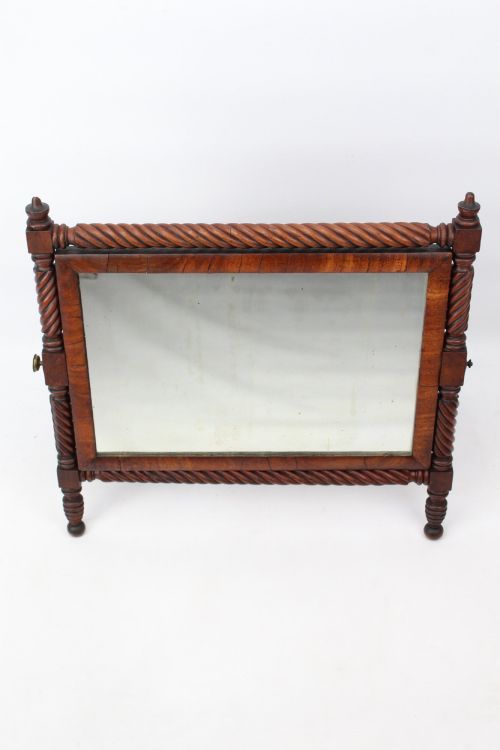
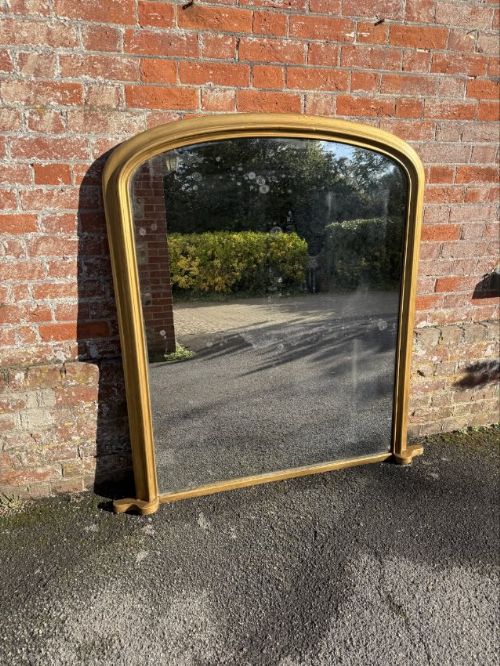
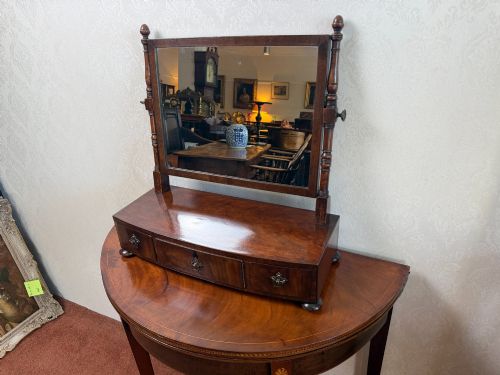
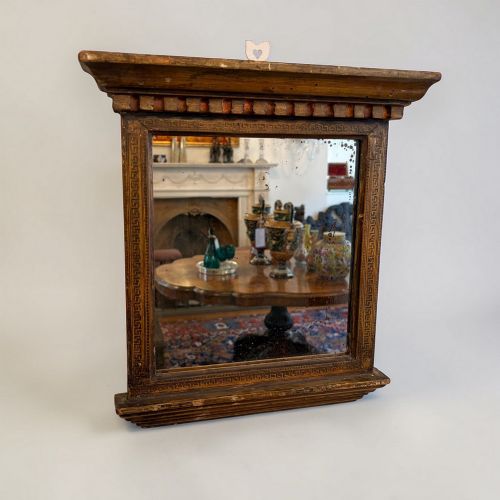
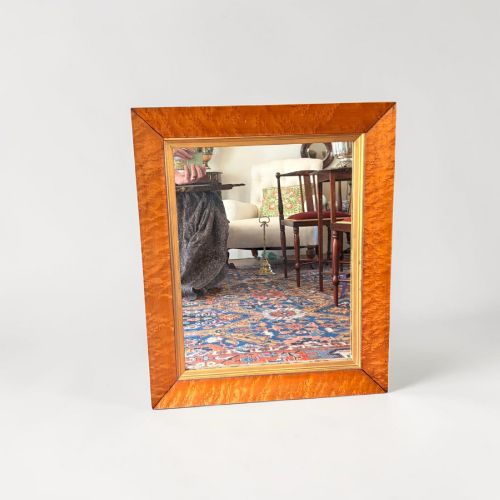
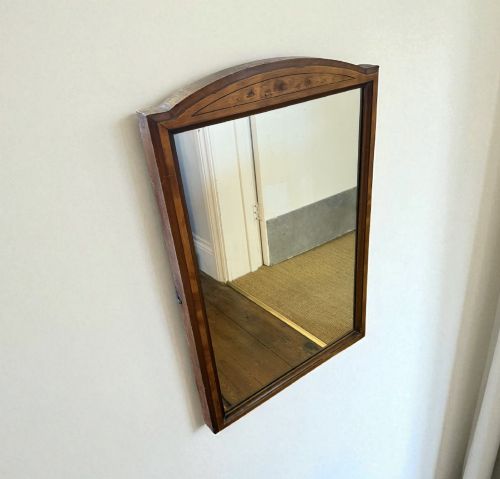
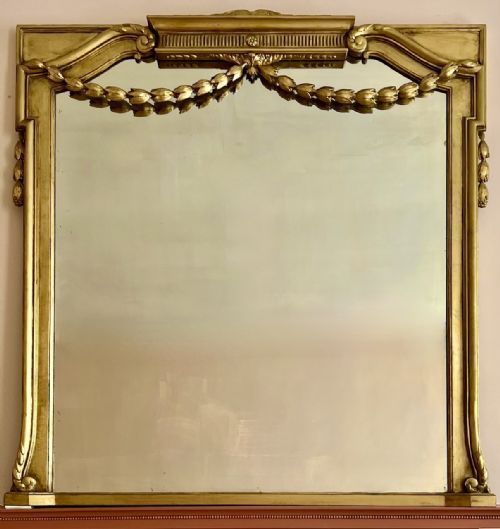
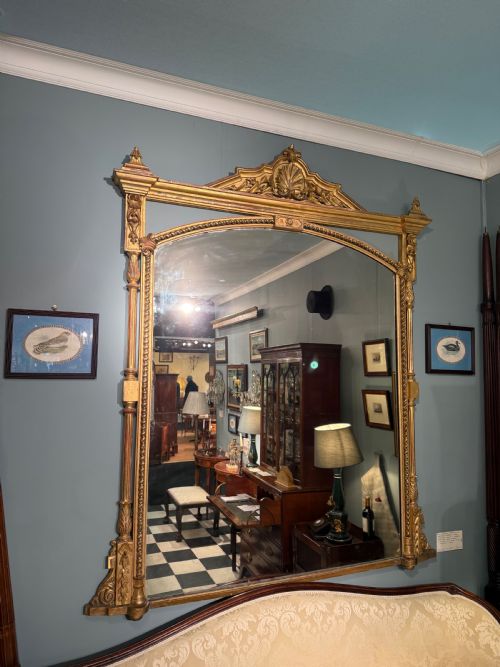
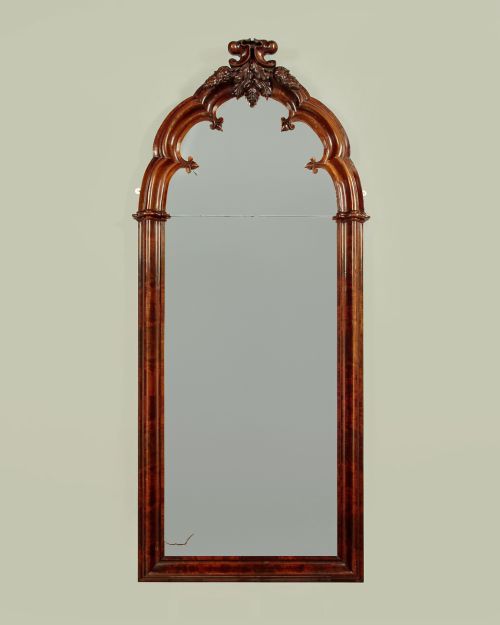
Regency Wood Mirror
A regency wood mirror brings striking classical proportions and deep mahogany or warm gilt surfaces to a room, offering both practical reflection and architectural presence.
Regency Wood Mirror
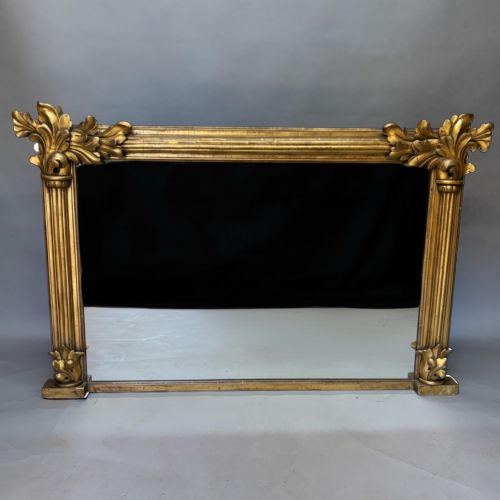
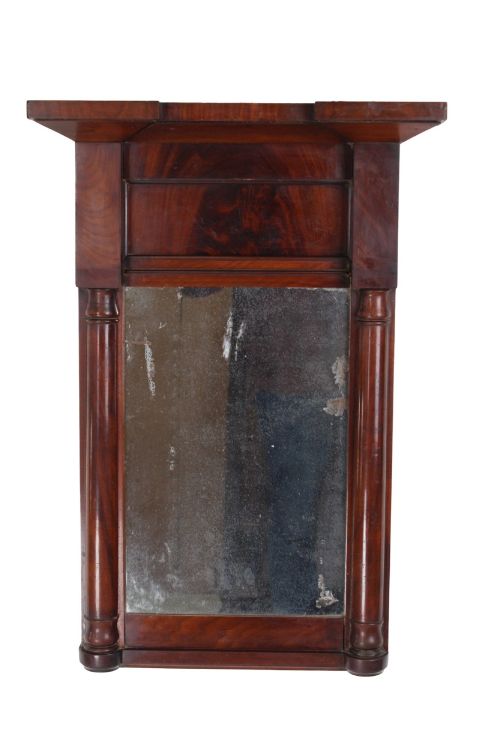
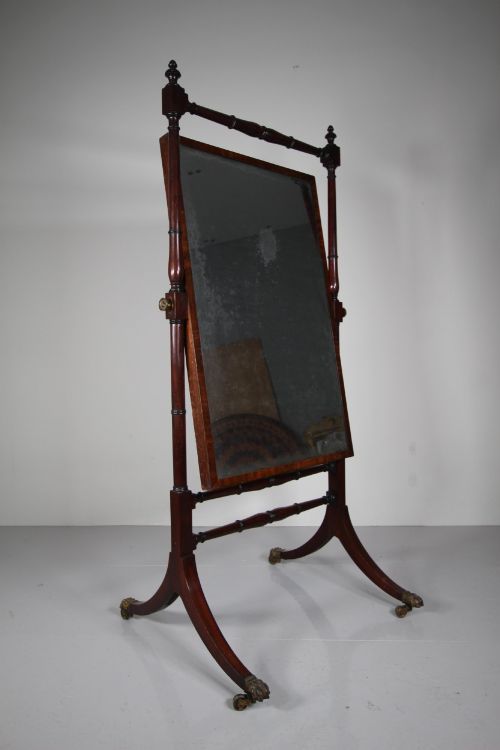
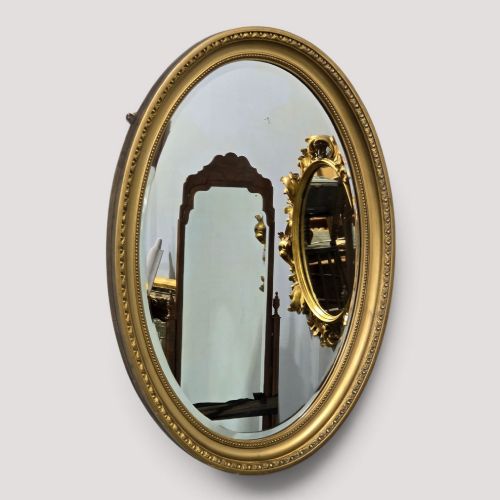
When searching for a regency wood mirror, buyers encounter wall-hung, overmantel, and freestanding cheval pieces shaped by Georgian, Regency, and Victorian hands. The domestic interiors of the period demanded versatile looking glasses, leading to forms that range from compact toilet mirrors with box bases to monumental overmantels destined for principal reception rooms.
Mahogany, rosewood, and giltwood dominate the selection, often taking the form of pier mirrors, convex roundels, and tall dressing glasses mounted on pivots. Pieces frequently display architectural influences such as columns, rope twists, and arched tops derived from neoclassical design.
The material palette extends beyond simple timber frames into elaborate gesso ornament, inlaid details, and secondary woods like satin birch or walnut. Overmantel mirrors and cheval glasses represent the larger scale of surviving stock, while small pier mirrors and dressing table variants cater to intimate spaces.
How they were made
Cabinetmakers constructed frames primarily from solid mahogany, rosewood, or pine carcasses covered in fine veneers, joining corners with traditional joints suited to heavy glass. Timber selection mattered deeply, with Cuban mahogany and birds eye maple offering dense grains that accepted sharp carving and high polish.
Giltwood and gesso pieces required a labour-intensive foundation of plaster applied over carved wood, smoothed and layered with gold leaf. This combination allowed makers to achieve crisp neoclassical motifs, reeded columns, and dimensional rope twists that plain timber could not hold.
Regency Wood Mirror Retail Price Guide 2026
Typical asking prices for regency wood mirror among the pieces listed under this phrase on Sellingantiques today, from the lower quarter to the upper quarter. They describe what is for sale here now, not the wider market.
Listings feature mahogany, rosewood, and giltwood frames spanning the eighteenth, nineteenth, and early twentieth centuries.
What varies in quality
Quality rests upon the crispness of the carved wood and the depth of the gilding or timber finish. Finer examples display hand-carved details rather than cast composition ornaments, along with well-figured veneers that match symmetrically across the frame.
Structural integrity and original components dictate the standing of a piece. The survival of mercury mirror glass, original backboards, and working brass pivot hardware on cheval mirrors elevates an item above those altered or re-silvered in later decades.
The Regency Wood Mirror Glossary
- Cheval mirror
- A freestanding full-length dressing mirror suspended on a vertical frame with pivots. This form allows the glass to tilt to various angles.
- Overmantel mirror
- A wide mirror designed to hang specifically above a fireplace mantelpiece. These often feature tripartite plates and architectural cornices.
- Pier mirror
- A tall, narrow looking glass designed to hang on the wall space between windows. They frequently incorporate giltwood frames and candle sconces.
- Gesso
- A plaster mixture applied to wood frames as a base for gilding. Skilled artisans carved and moulded this material before applying gold leaf.
- Zograscope
- An optical device consisting of a convex lens and a mirror used for viewing perspective prints. They were sometimes housed in adjustable mahogany stands.
Regency Wood Mirror: Frequently Asked Questions
Where should I hang an overmantel mirror?
These large mirrors belong directly above a fireplace mantelpiece, anchored securely to the wall to support their substantial weight and giltwood frames.
Positioning them here reflects light across the room and balances the architectural focal point of the hearth.
How do I care for antique giltwood?
Dust gilt surfaces gently with a soft, dry brush without applying water or modern chemical cleaners that might lift the delicate gold leaf.
Keep these mirrors away from direct sunlight and damp walls to preserve the underlying gesso and timber.
What is a cheval mirror used for?
A cheval mirror provides a full-length reflection for dressing, supported by a stable floor-standing frame with adjustable side pivots.
Historically placed in bedrooms and dressing rooms, they remain practical for modern clothing checks.
How do I distinguish Regency from Victorian mirrors?
Regency pieces lean heavily on strict neoclassical restraint, bold rosewood grains, and specific brass mounts, while later Victorian items often introduce heavier proportions or Gothic revival motifs.
Examining the construction methods and secondary woods helps clarify the exact decade of manufacture.