









Regency Wine Glass
A regency wine glass brings tactile weight and brilliant optical refraction to the table, exactly as it did two centuries ago.
Regency Wine Glass
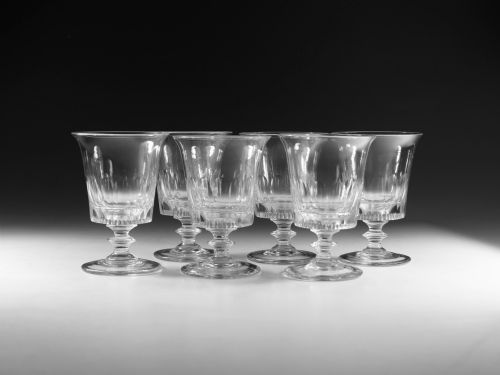
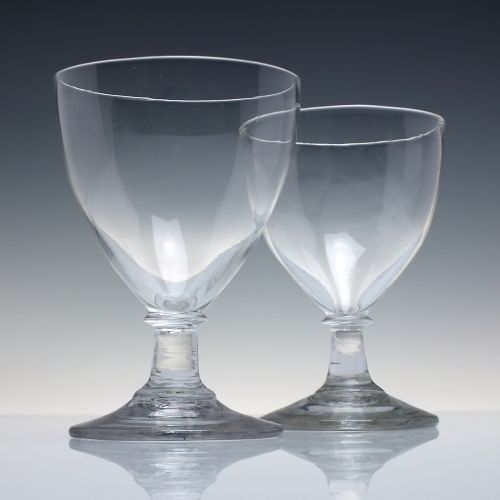
When searching for a regency wine glass, buyers encounter drinking vessels and associated vessels spanning the Georgian, Regency, and Victorian periods. The selection on this page centres primarily on lead crystal and glass stemware, alongside related table accessories like rummers, port glasses, and decanters.
The dominant forms include matched sets of coloured wine glasses and individual heavy rummers originating from English and Irish glasshouses. These pieces reflect the robust social drinking habits of the early nineteenth century.
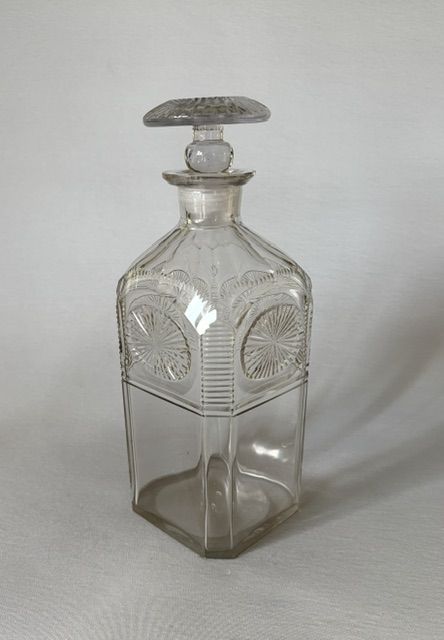
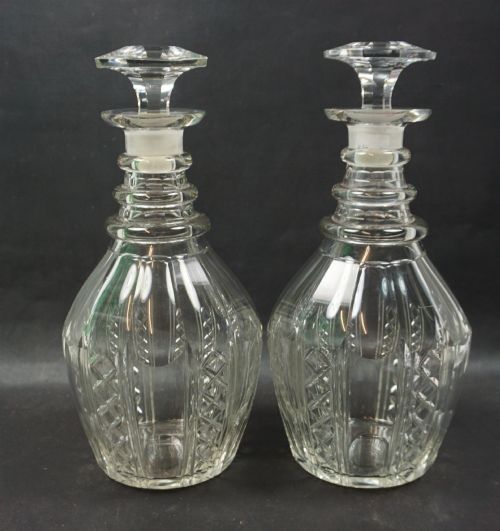
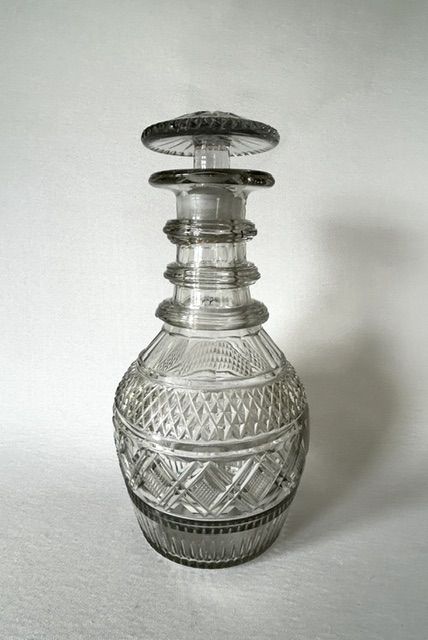
Beyond standard stemware, the category encompasses serving vessels such as ships decanters, carafes, and champagne coolers mounted in gilt bronze. Buyers find both clear crystal utility and intensely hued glass in shades like turquoise, peacock blue, and Bristol green.
How they were made
Glassmakers utilised heavy lead crystal and flint glass to achieve deep optical clarity and substantial physical heft. Molten metal was blown into iron or wooden moulds, then hand-finished on the bench.
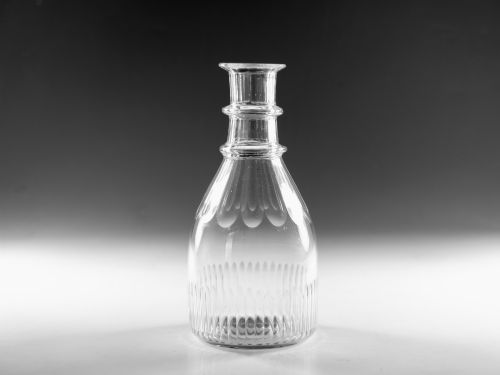
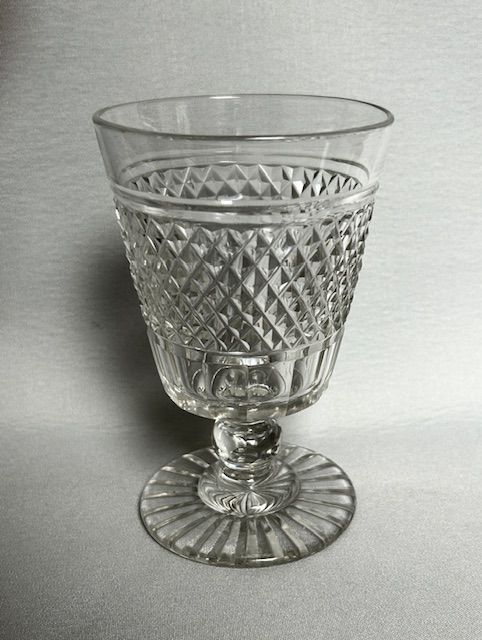
Surface ornamentation relied heavily on wheel-cutting techniques to produce pillar cuts, hobnail patterns, and three-ring necks on decanters. Artisans also applied delicate engraving to bowls and utilised mineral oxides to achieve vibrant colours like amethyst and turquoise.
Regency Wine Glass Retail Price Guide 2026
Typical asking prices for regency wine glass among the pieces listed under this phrase on Sellingantiques today, from the lower quarter to the upper quarter. They describe what is for sale here now, not the wider market.
Some rummers feature square lemon squeezer feet, ensuring the glass stayed put when dining at sea or on a lurching coach.
What varies in quality
Quality in these drinking vessels rests upon the clarity of the metal and the crispness of the wheel-cut facets. Superior examples display sharp, clean geometric edges that catch candle or daylight without blurring.
The weight and balance of the piece dictate its calibre, with finer items offering a resonant ring when struck gently and a substantial hand-feel. Consistency across a matched set of glasses also elevates the standing of the pieces.
The Regency Wine Glass Glossary
- Rummer
- A large, sturdy drinking glass popular in the Georgian and Regency periods used for ale, wine, or punch. These vessels typically feature a short stem and a capacious bowl.
- Lemon squeezer foot
- A square, pressed glass base with sloped corners resembling a kitchen lemon squeezer. This distinctive foot appears frequently on Georgian rummers and decanters.
- Lead crystal
- Glass containing a high proportion of lead oxide, which increases brilliance, weight, and the refractive index. This material allows for deeper and sharper wheel-cutting.
- Ship's decanter
- A decanter with a broad, low base and tapering sides designed to prevent tipping on rolling ocean vessels. These practical bottles are a staple of the Regency period.
- Toddy lifter
- A small, bulbous glass vessel used for transferring hot toddy or punch from a bowl to a glass. The user places a finger over the top opening to create a vacuum holding the liquid.
Regency Wine Glass: Frequently Asked Questions
What is a regency wine glass used for?
These historical glasses served port, sherry, and strong wines during formal dining and evening social gatherings. Their robust build suits modern use for dinner parties or quiet evening drinks.
Collectors often display them in cabinets or utilise them to elevate everyday dining rituals. Their heavy lead crystal construction ensures they remain functional antique objects.
Are these glasses safe to drink from?
Most antique glass from this era is completely safe for normal dining use. The lead content in crystal remains stable during brief contact with wine or water.
Avoid storing acidic liquids like wine or vinegar in antique decanters for extended periods. Hand washing after use prevents any residue buildup.
How do I date a glass?
Dating relies on observing form, weight, pontil marks, and cutting styles recorded across the periods. Regency and Georgian pieces generally show heavy lead content and hand-finished pontils on the base.
Comparing items against documented examples helps narrow down the decade of manufacture. Subtle shifts in decorative motifs and colour preferences provide further chronological clues.