







Regency Urn Table Lamps
Regency urn table lamps bring classical grandeur to a room, offering striking silhouettes derived from ancient vessels.
Regency Urn Table Lamps
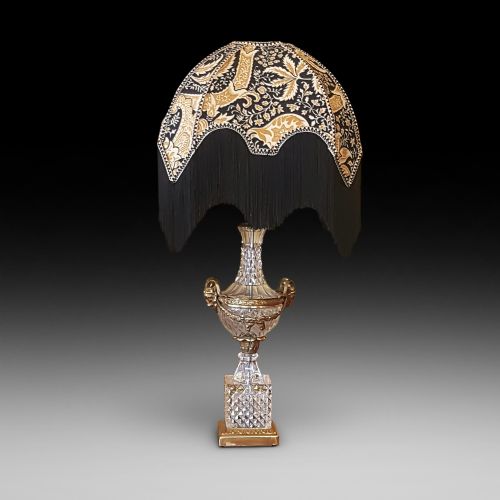
When you search for regency urn table lamps, you find lighting pieces that adapt classical vessel forms into functional domestic lamps. The designs draw heavily from ancient Greek and Roman shapes, featuring prominent bodies, handles, and pedestal bases.
The pieces on this page span the nineteenth century, the Victorian era, and later revival periods from the early twentieth century. Many examples originate from conversions of earlier vases or metalwork, paired with fabric shades.
Materials and construction methods
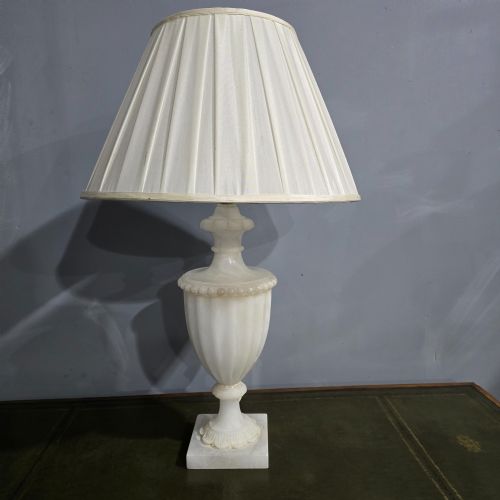
The construction relies on metals and carved materials shaped into classical proportions. Makers utilised brass, gilt bronze, and ormolu to achieve metallic lustre, often incorporating marble or alabaster for solid bases and bodies.
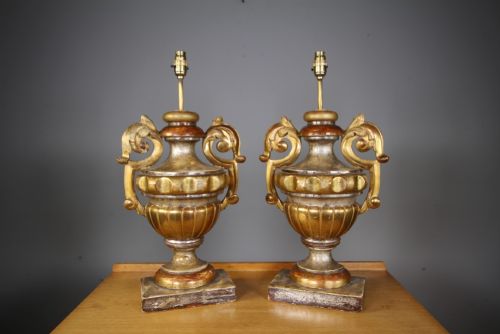
Carved pine and giltwood appear alongside ironstone and cut glass, showing the variety of mediums adapted for lighting. Metal elements frequently feature cast ornamentation such as rams heads and classical foliage.
Regency Urn Table Lamps Retail Price Guide 2026
Typical asking prices for regency urn table lamps among the pieces listed under this phrase on Sellingantiques today, from the lower quarter to the upper quarter. They describe what is for sale here now, not the wider market.
Listings feature materials spanning brass, gilt bronze, mahogany, marble, ormolu, and alabaster across multiple nineteenth and twentieth-century periods.
Judging quality in design
Quality rests in the crispness of the casting and the depth of the gilding on metal mounts. Finer examples display sharp detail in decorative elements like rams heads and classical motifs, rather than soft or smoothed surfaces.
The choice of base material also defines the tier of the piece, with heavy alabaster, carved wood, and substantial ormolu mounts sitting above simpler metal construction.
Hicks and Meigh
The Regency Urn Table Lamps Glossary
- Ormolu
- A technique of applying finely ground high-carat gold to a bronze object. This process creates a rich, durable golden finish characteristic of luxury neoclassical metalwork.
- Alabaster
- A fine-grained mineral often used for carving ornamental vessels and lamp bodies. Its translucent quality allows light to interact softly with the stone.
- Neoclassical
- A style originating in the mid-eighteenth century inspired by classical antiquity. It prioritises symmetry, proportion, and motifs derived from Greek and Roman architecture.
- Toleware
- Painted or lacquered metalware, often finished in black and gold lacquer. This technique creates durable decorative surfaces seen on period lamp bodies.
- Giltwood
- Wood that has been treated with a thin layer of gold leaf. It provides a bright metallic appearance while retaining the underlying carved form.
Regency Urn Table Lamps: Frequently Asked Questions
Are these lamps converted from old vases?
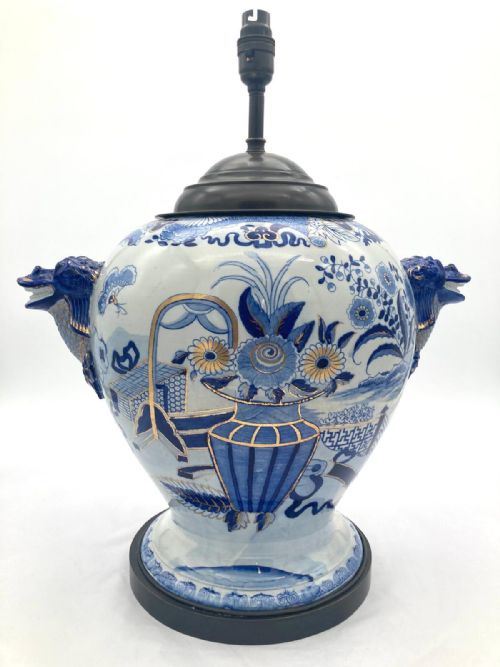
Many lamps of this period originated as decorative vases, urns, or jars before receiving electrical fittings later. This practice preserves antique ceramic and metal bodies by giving them a practical modern function.
Buyers often find ironstone vessels, metal urns, and glass containers adapted into lighting fixtures while retaining their original nineteenth-century character.
How do I identify the period?
Dating relies on examining the materials, construction marks, and the specific style of the neoclassical revival. Nineteenth-century examples often feature hand-chased metalwork and heavy casting.
Twentieth-century interpretations from the nineteen-twenties and thirties typically show different wiring methods, base construction, and mounting techniques compared to earlier pieces.
Where should I place these lamps?
These lamps suit side tables, console tables, and pedestals in traditional or transitional reception rooms. Their vertical urn shape creates a strong focal point on low furniture.
Pairing them with neutral fabric shades allows the detailed metal or stone bodies to remain the primary visual feature of the arrangement.
What maintenance do metal and stone lamps need?
Metal components require gentle dusting with a soft cloth to preserve gilt and brass surfaces without abrasive cleaners. Alabaster and marble bodies benefit from dry wiping to protect their porous structure.
Avoiding moisture and harsh chemicals ensures the antique finishes remain stable over time.