



Regency Style Silver
Regency style silver brings neoclassical elegance and bright metallic lustre into a room through mirrors, lighting, and tea urns.
Regency Style Silver
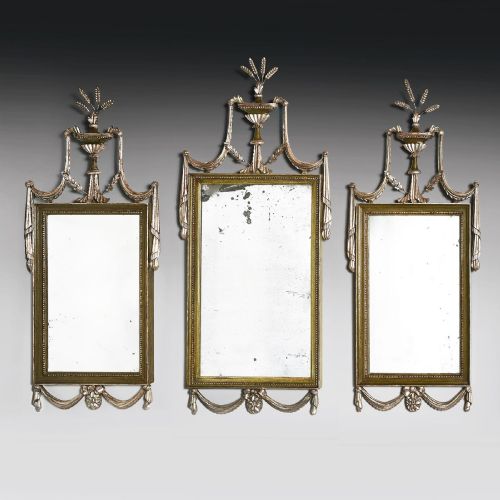
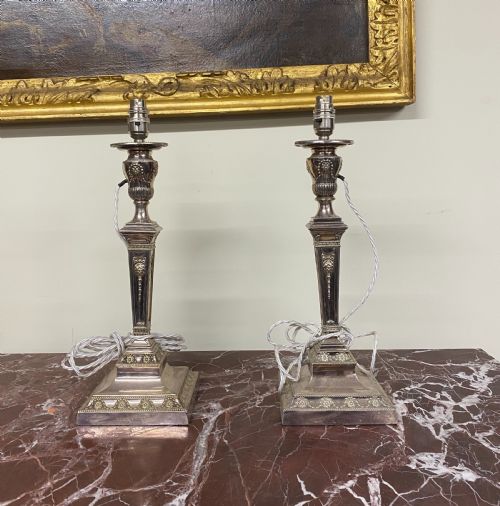
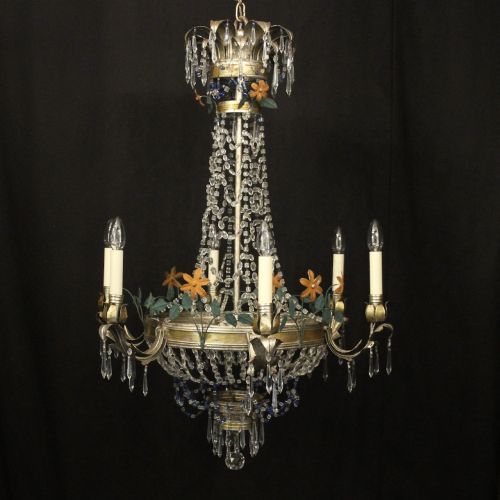
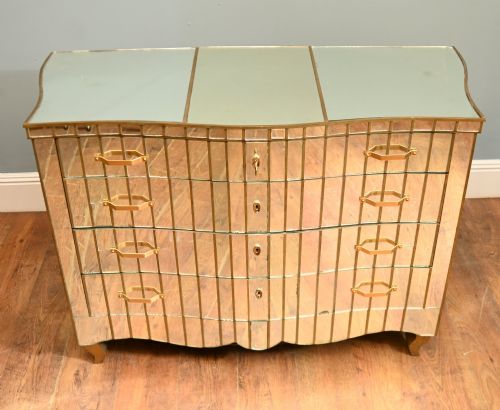
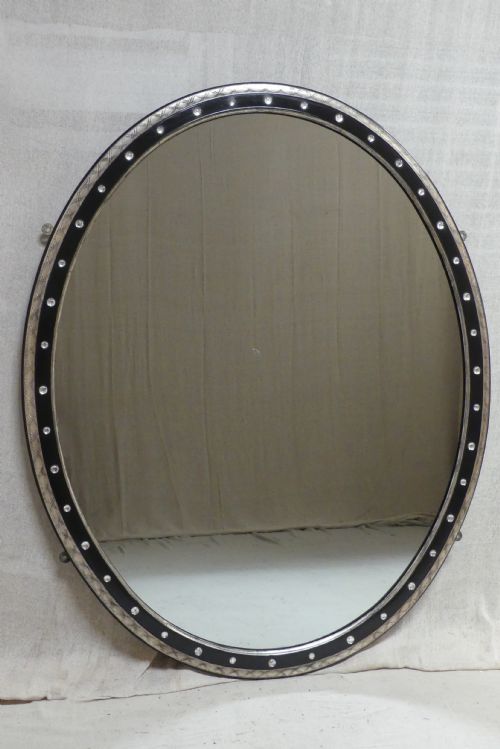
When you search for regency style silver, you encounter items spanning the nineteenth and twentieth centuries, including Georgian and Victorian periods alongside later 1920 and 1930 interpretations. These objects encompass wall mirrors, chandeliers, tea urns, ceiling lights, mantel clocks, and candelabra.
Mirrors and lighting dominate the selection, appearing alongside tea urns and clocks. Buyers frequently select these pieces to introduce period character and reflective surfaces into traditional or eclectic interiors.
How they were made
Makers utilised silver plate over base metals, alongside solid brass, copper, and spelter for structural elements and decorative figures. Timber frameworks provide support for mirrors and chests of drawers.
Reflective surfaces rely on crystal, glass, and mirrored glass, sometimes combined with parcel gilt, silver gilding, or painted finishes such as silvered green. Metal components are cast, plated, or hand-finished to achieve varied reflective qualities.
Regency Style Silver Retail Price Guide 2026
Typical asking prices for regency style silver among the pieces listed under this phrase on Sellingantiques today, from the lower quarter to the upper quarter. They describe what is for sale here now, not the wider market.
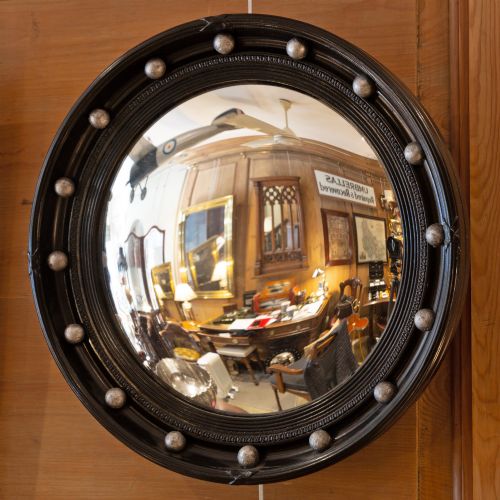
Sorcerer type convex mirrors bend reflections to curve an entire room into a single, glittering eyeball.
What varies in quality
Quality rests upon the precision of surface finishes, such as the depth of silver plating, the richness of parcel gilt, and the clarity of mirrored glass. Finer examples display crisp casting details on lighting and clocks.
Construction standards differ between standard production items and pieces bearing distinct maker attribution, such as documented cabinet work or refined glass cutting.
Gillows Of Lancaster·Wedgwood
The Regency Style Silver Glossary
- Silver Plate
- A thin layer of silver bonded to a base metal core such as copper or brass. This technique offered the visual appeal of solid silver at a more accessible cost.
- Fusee
- A conical pulley mechanism inside a clock that maintains even tension on the mainspring as it winds down. It ensures steady timekeeping across the duration of the wind.
- Parcel Gilt
- Partially gilded decoration where gold leaf is applied only to specific raised details or carved areas. It creates contrast against a painted, silvered, or dark wood background.
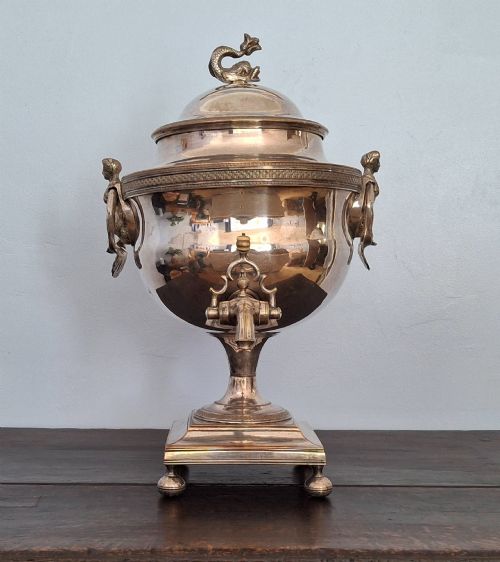
- Samovar
- A large heated metal urn traditionally used to boil water for tea. Regency examples often feature decorative spouts and handles mounted on steady pedestals.
Regency Style Silver: Frequently Asked Questions
What defines regency style silver items?
These pieces draw inspiration from the Regency and neoclassical eras, focusing on symmetrical forms, classical motifs, and bright metallic finishes. They include functional household items like tea urns alongside decorative lighting and mirrors.
Materials range from silver plate and brass to crystal and mirrored glass, reflecting light effectively within a room. Many items date from later revivals rather than the strict Regency period itself.
How do I light a room with these fixtures?
Chandeliers, wall lights, and standard lamps distribute illumination across multiple arms or bulbs, often enhancing brightness through crystal drops or silvered surfaces. Pairing them with matching candelabra creates layered ambient lighting.
Consider the scale of the ceiling light or wall sconce in relation to room dimensions to ensure balanced proportions.
Where should I place a decorative mirror?
Large oval and framed mirrors work well above mantelpieces, sideboards, or console tables to amplify natural light and create a sense of depth. Placing them opposite windows maximises their reflective capacity.
Ensure wall fixings adequately support heavier frames incorporating wood and thick glass.
How do I care for silver plated items?
Silver plate requires gentle cleaning with appropriate cloths to avoid wearing through the thin metal layer to the base substrate. Regular dusting prevents tarnish buildup in recessed decorative details.
Keep these items away from damp environments to protect underlying metals and mirror backings from deterioration.