



Regency Style Portrait
A regency style portrait brings classical elegance and striking character to a room, capturing the refined aesthetic of the early nineteenth century.
Regency Style Portrait
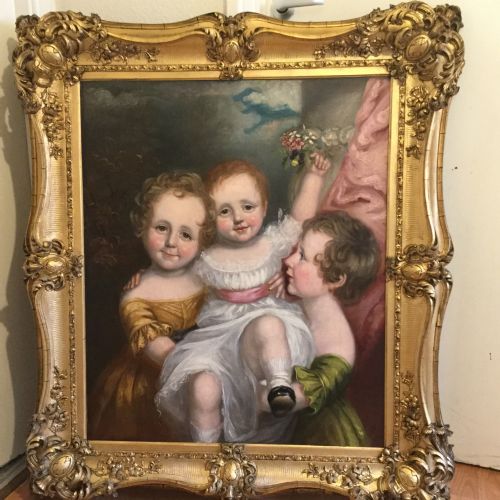
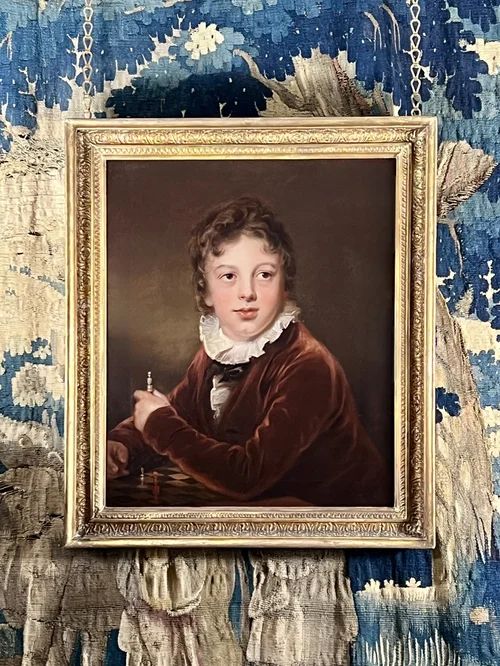
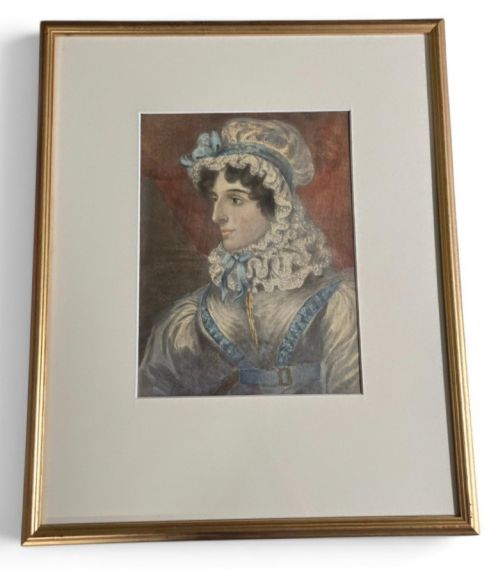
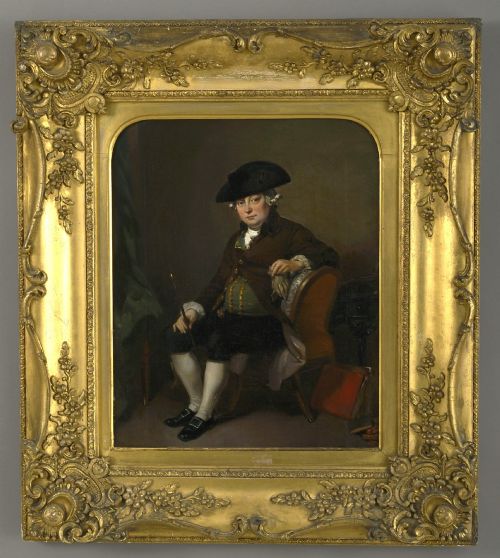
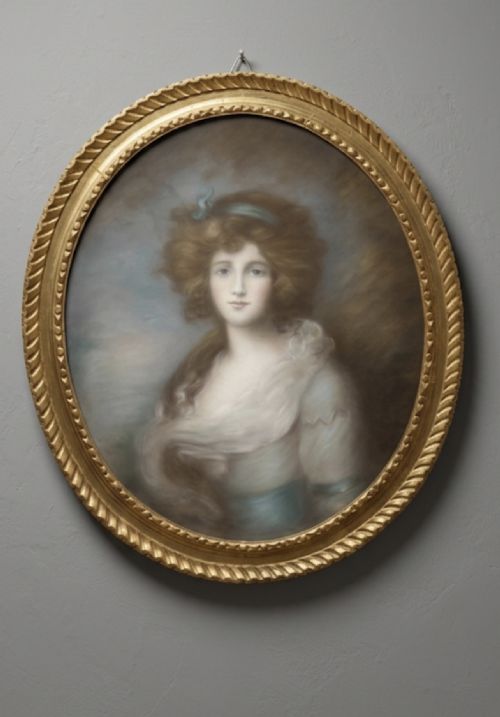
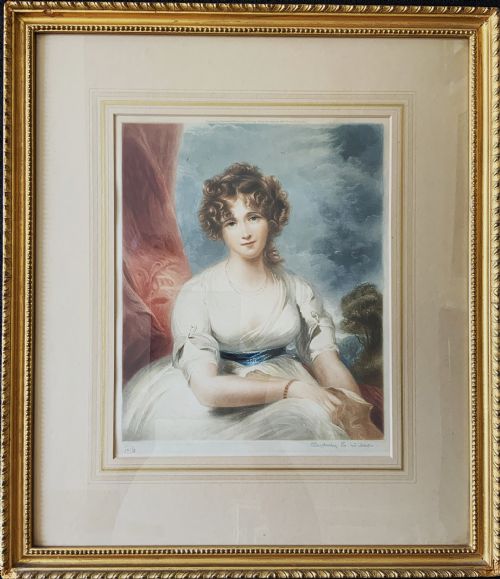
A regency style portrait captures individuals with a distinct neoclassical sensibility, often reflecting the polished manners and sharp attire of the early nineteenth century. These works appear in several forms, including oil paintings on canvas, delicate watercolours, miniature portraits, and hand-coloured engravings.
The selections span original nineteenth-century pieces alongside later revivals from the twentieth century, reflecting enduring admiration for the period. Subjects range from aristocratic gentlemen and ladies to children and theatrical figures, sometimes rendered by followers or studios of prominent artists.
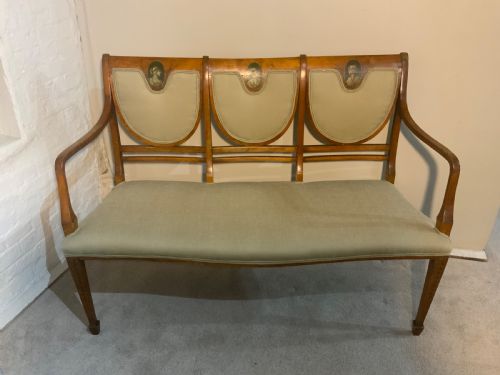
Beyond paintings, the category encompasses related visual records such as porcelain portrait plaques and framed engravings. Buyers encounter both accomplished academic works and naive folk art interpretations within this aesthetic.
How They Were Made
Graphic arts played a significant role, with mezzotint engravings and hand-coloured prints offering wider access to celebrated imagery of the era. Specialised items like papier-mâché snuff boxes also incorporated miniature painted portraits protected beneath a clear finish.
Keep an eye out for miniature portraits of family pets and infants styled with the grave dignity of prime ministers.
What Varies in Quality
Quality rests on the precision of the draughtsmanship, the vitality captured in the subject's expression, and the fidelity of the rendering. Works emerging directly from recognised circles or studios often display superior handling of light, fabric texture, and anatomical proportion.
The integrity of the framing materials and the preservation of the original medium heavily influence the piece. Intact nineteenth-century giltwood frames and unblemished painted surfaces preserve the historical impact far better than compromised examples.
Sir Thomas Lawrence·George Romney·John Opie·John Partridge·Sydney Wilson
The Regency Style Portrait Glossary
- Mezzotint engraving
- A printmaking process where the copper plate is roughened to achieve rich dark tones and subtle gradations of light. This technique allowed printmakers to translate oil paintings into highly textured monochrome prints.
- Miniature
- A small-scale painting, often executed on ivory, vellum, or paper with meticulous detail. These intimate portraits were frequently commissioned to commemorate family members.
- Giltwood
- Timber carved and coated with a thin layer of gold leaf. It provides the ornate, reflective borders typical of formal nineteenth-century picture frames.
- Naive art
- Work created by an artist with little or no formal academic training, characterised by a charming directness and simplified perspective. These pieces offer a distinct folk art appeal compared to academy portraits.
Regency Style Portrait: Frequently Asked Questions
How do I identify a true period piece?
Examine the materials, framing methods, and backing supports used in the construction, as nineteenth-century components differ significantly from later reproductions.
Consult the recorded artist attribution and stylistic markers to determine whether the work originates from the Regency era or a later revival period.
Where should I hang a portrait?
These works suit formal reception rooms, studies, or hallways where traditional furniture complements the classical aesthetic of the early nineteenth century.
Protect the canvas or paper from direct sunlight and excessive moisture to preserve the delicate pigments and gilded frames over time.
What is the difference between an oil and a watercolour?
Oil paintings utilise pigment suspended in drying oil on canvas or panel, offering deep, layered colours and a durable textured surface.
Watercolours employ water-soluble pigments on paper, creating a luminous, transparent effect that typically requires protective glass framing.
Why do some listings mention artist circles?
Attributions to the circle or follower of a master indicate an artist working closely in the style and technique of a renowned painter during the same period.
These pieces reflect the broader artistic output of a workshop or school rather than bearing the direct signature of the primary master.