


Regency Style Glass Light
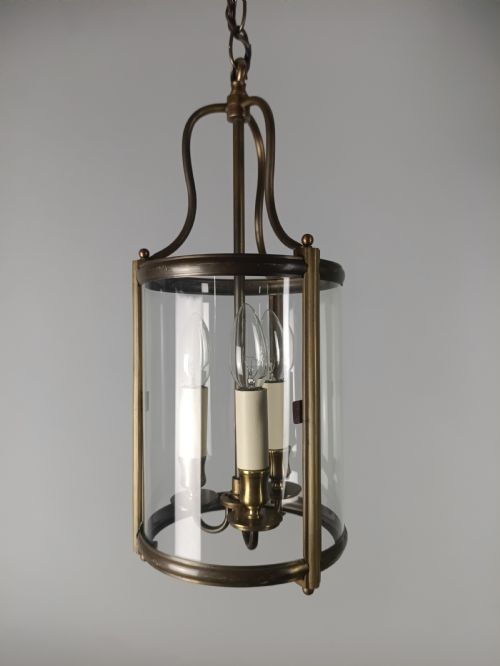
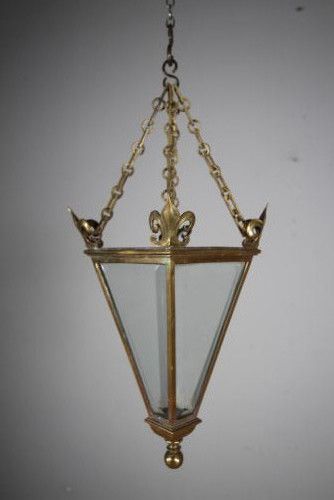
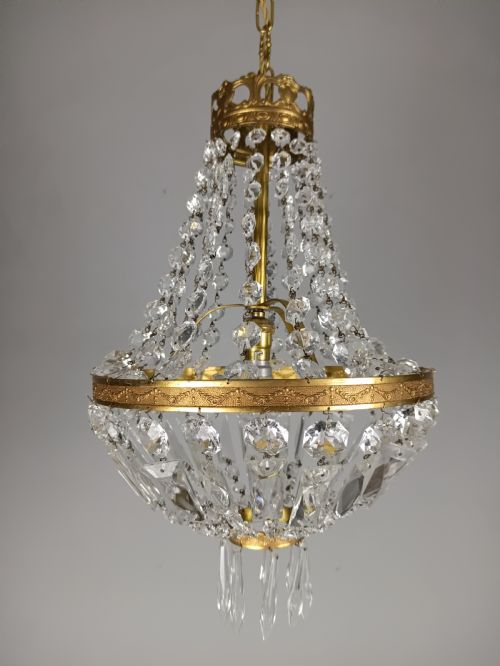
Regency style glass light fixtures bring classical illumination into a room, combining cut crystal drops with polished metal frames for brilliant reflection.
Regency Style Glass Light
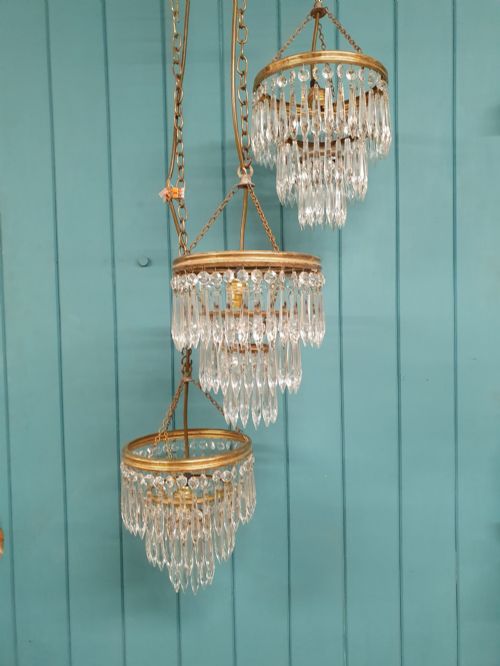
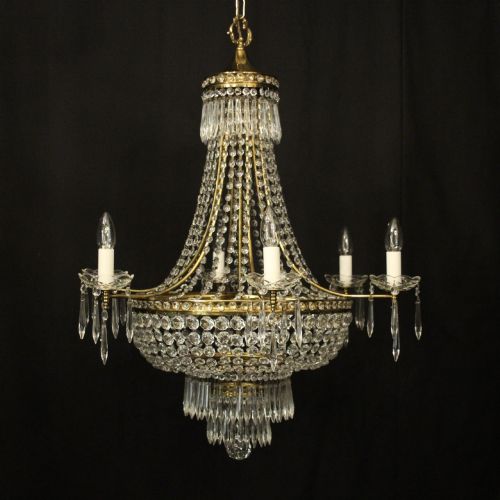
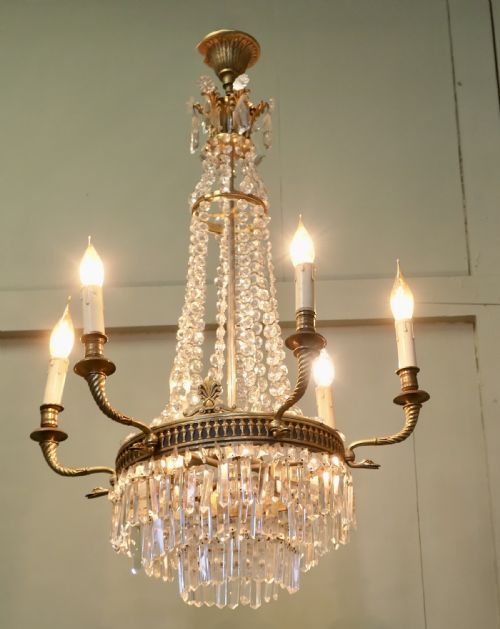
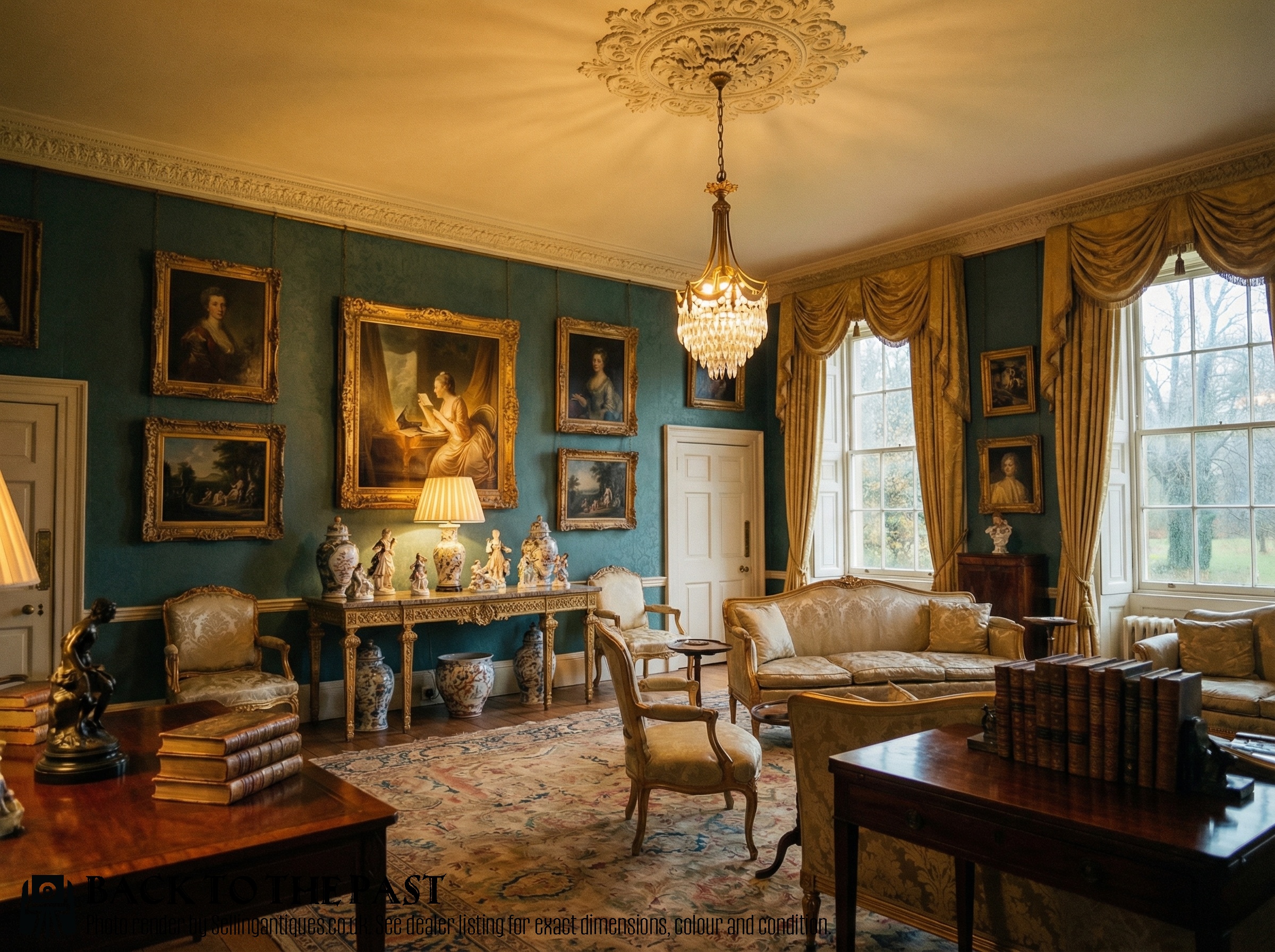
When you search for a regency style glass light, you encounter a variety of hanging chandeliers, wall sconces, and table lamps that echo classical forms. The inventory spans from the nineteenth century through the Edwardian era and into the nineteen thirties, drawing heavily on French Empire and Neoclassical design vocabularies.
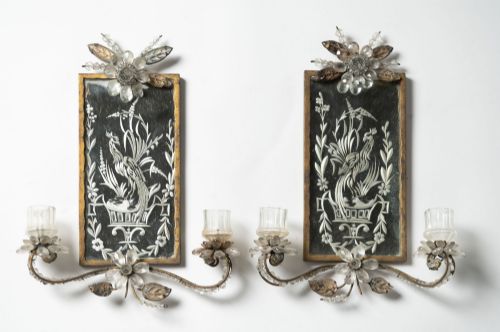
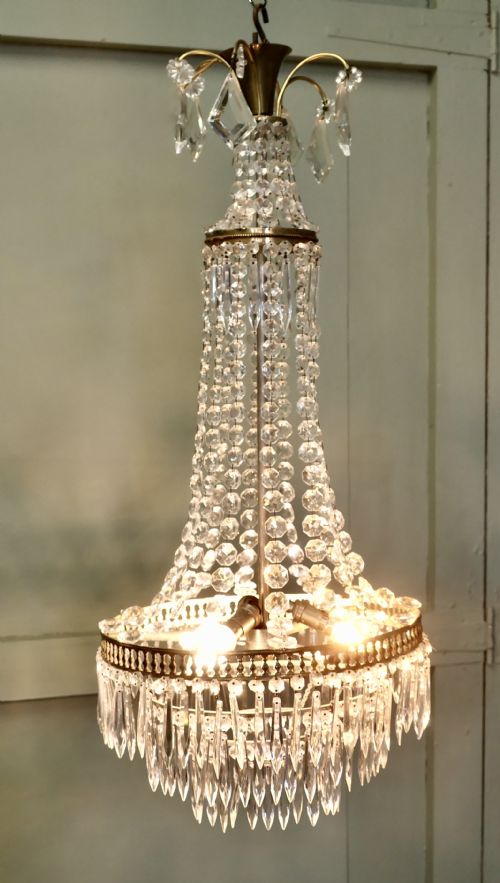
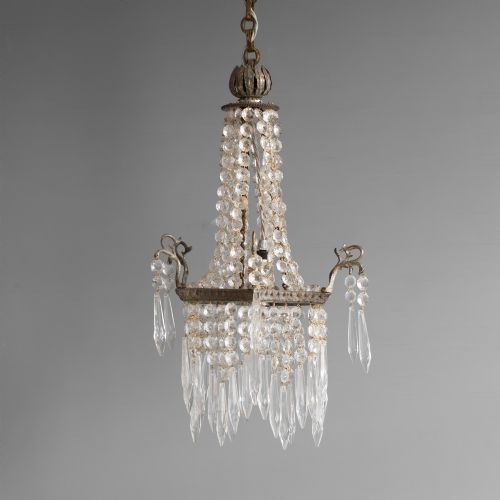
The most common forms on this page include tent and bag chandeliers, basket fixtures, and spike chandeliers decorated with glass drops and swags. Smaller items such as wall lights and table lamps also appear, often incorporating brass or gilt metal mounts alongside cut crystal elements.
Makers and origins cross English and French traditions, ranging from simple brass and glass light fittings to elaborate multi light chandeliers. These pieces reflect historical revivals that prioritised symmetry, ornamentation, and the play of light through cut glass.
What varies in quality
The sophistication of the metalwork largely distinguishes simpler domestic light fittings from more ambitious decorative examples. Finer pieces display crisply chased or cast brass and bronze mounts, often incorporating classical motifs like ormolu details or rams heads.
Quality also rests in the glass itself, where deeply cut crystal drops and well proportioned tent and bag configurations create superior brilliance. The uniformity of the glass components and the density of the drops determine the visual weight and sparkle of the fixture.
Pineapple lamps bring a touch of tropical neoclassical whimsy to the dining room.
Maison Baguès·Wedgwood
The Regency Style Glass Light Glossary
- Bag chandelier
- A lighting fixture featuring a gathered lower section of glass drops resembling a small pouch or bag. This shape became popular in various forms across the nineteenth and early twentieth centuries.
- Tent and waterfall
- A design style where an upper canopy of glass strands forms a tent shape, cascading down into a wider waterfall effect. It creates a layered, volumetric appearance when illuminated.
- Ormolu
- A gilded bronze technique used historically on decorative mounts and furniture trim. It provides a rich, warm metallic finish that complements cut glass.
- Spelter
- A zinc alloy frequently used as a substitute for bronze in decorative castings during the nineteenth and early twentieth centuries. It accepts patination well and mimics heavier metals at a lighter weight.
Regency Style Glass Light: Frequently Asked Questions
How do I hang a heavy crystal light?
Hanging a heavy crystal light safely requires securing the fixture directly to a ceiling joist or using a designated structural hook capable of supporting the combined weight of metal and glass. Professional installation is strongly recommended for larger multi light chandeliers.
Once anchored, the delicate glass drops and crystal swags are typically attached to the frame by hand after the main metal body is firmly in place.
Are these lights electrified?
Many of the twentieth century and Edwardian lights listed on this page arrive wired for electricity, often adapted from older lighting technologies. Buyers should check individual listings to confirm the current wiring status.
Original candle or colza oil configurations from earlier centuries are frequently converted to electricity by previous owners to allow safe modern domestic use.
How do I clean a cut glass chandelier?
Cleaning a cut glass chandelier involves wiping individual crystal drops with a mild cleaning solution while the fixture remains hung or after carefully lowering it. Regular dusting helps maintain the reflective sparkle of the cut glass without requiring total dismantling.
Care must be taken around fragile metal mounts and aged brass or gilt surfaces to preserve their original patination during maintenance.