


Regency Style Cocktail Table
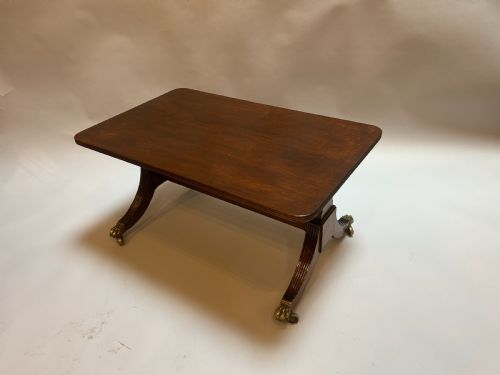
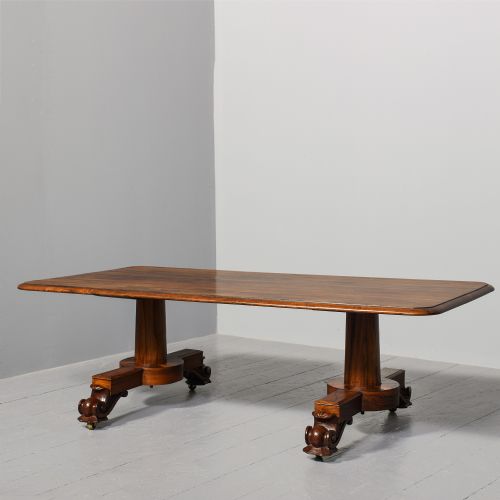
These pieces known as a regency style cocktail table offer low surfaces for drinks and entertaining, shaped by classical revival designs.
Regency Style Cocktail Table
A regency style cocktail table brings neoclassical lines and low proportions to modern sitting rooms. These tables draw inspiration from nineteenth century forms, adapting earlier dining or occasional heights for living space use.
Buyers will encounter various incarnations ranging from strict period pieces to later revivals spanning the nineteenth and twentieth centuries. Mahogany, rosewood, and yew wood dominate the selection, often accompanied by brass mounts or marble tops.
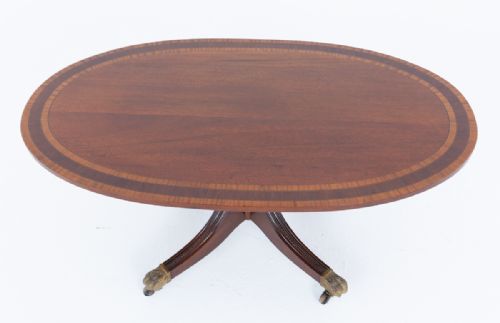
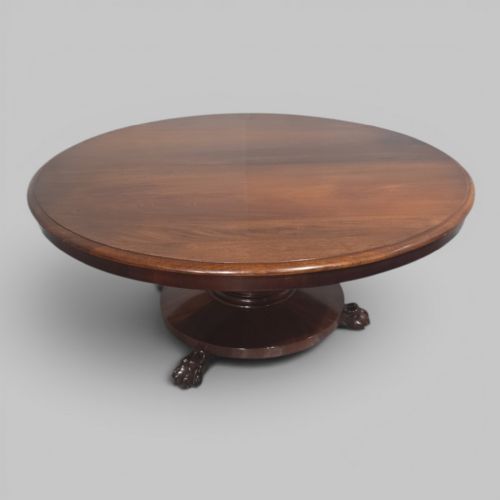
Forms vary from circular and oval formats to rectangular tray tables and occasional tables. The aesthetic borrows heavily from Regency, George IV, and Sheraton Revival idioms, providing distinct classical silhouettes.
Materials and construction
Cabinetmakers utilised dense timbers such as mahogany and rosewood, frequently applying decorative veneers like oyster cuts and flame patterns to tabletop surfaces. These woods provide deep natural tones and stable foundations for daily use.
Decorative details rely on contrasting inlay, satinwood banding, and cast brass elements including feet and dolphin mounts. Marble inserts and gilt metal further elevate the finish on specific revival and mid twentieth century examples.
A sculpted brass dolphin offers unexpected aquatic charm beneath a marble top.
Assessing quality and execution
Superior examples demonstrate meticulous selection of timber veneers, where grain patterns match harmoniously across the top surface. Lesser pieces rely on plain or heavily disguised timber boards with minimal attention to grain symmetry.
The precision of inlay work and the quality of cast brass mounts distinguish fine workshop production from standard commercial output. Crisp carving on legs and supports indicates a higher level of craftsmanship during manufacture.
The Regency Style Cocktail Table Glossary
- Flame mahogany
- A decorative veneer cut from the fork of the mahogany tree, producing a distinct feather-like pattern across the surface. This figure is prized for its dramatic visual movement.
- Oyster veneer
- Small circular or oval slices cut transversely from smaller branches of timber, arranged closely together to form a patterned mosaic. Yew wood is frequently utilised for this intricate method.
- Satinwood
- A luminous hardwood with a golden yellow sheen, often used for contrasting stringing and inlay details on tabletops. It provides a bright visual accent against darker mahogany fields.
- Sheraton Revival
- A late nineteenth and early twentieth century design movement that reinterprets the graceful classical furniture of Thomas Sheraton. Pieces from this era display refined proportions and delicate inlay.
Regency Style Cocktail Table: Frequently Asked Questions
What periods do these tables represent?
The selection encompasses original nineteenth century pieces alongside twentieth century revivals dating from the nineteen tens to nineteen fifties. Each period brings its own interpretation of classical design.
Earlier examples originate from the Regency and George IV eras, while later items reflect the enduring appeal of these classical motifs through Sheraton and Hollywood revival movements.
How are these tables used?
These low surfaces serve primarily as coffee tables or occasional tables in reception rooms, providing a stable platform for drinks and decorative objects. Their reduced height suits modern seating arrangements.
Tray tables and larger oval formats offer ample surface area while maintaining the clear floor space required for comfortable living areas.
Which timbers appear most often?
Mahogany and rosewood form the backbone of the selection, prized for their rich colour and durability. Yew wood and satinwood also appear in specialist veneered surfaces.
Selected examples incorporate marble tops and gilt metal mounts to introduce contrasting textures and classical sculptural elements.
How do revival pieces differ from older ones?
Revival pieces produced during the early to mid twentieth century reinterpret original nineteenth century aesthetics using the manufacturing techniques of their own day. They capture the neoclassical silhouette while fitting contemporary domestic scales.
Examination of the timber construction, interior framing, and auxiliary materials usually clarifies whether a piece dates to the Regency period or a later revival.