

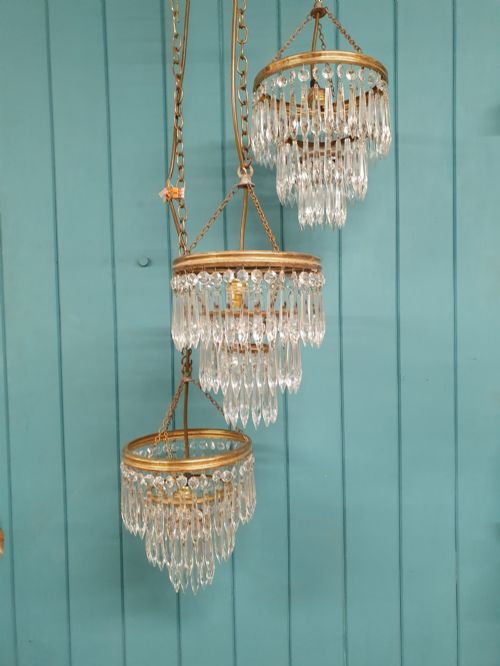
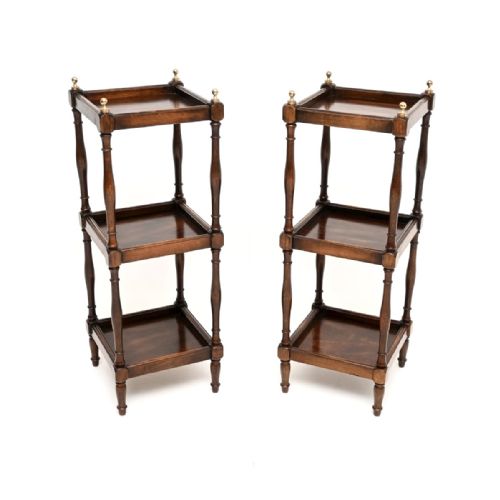
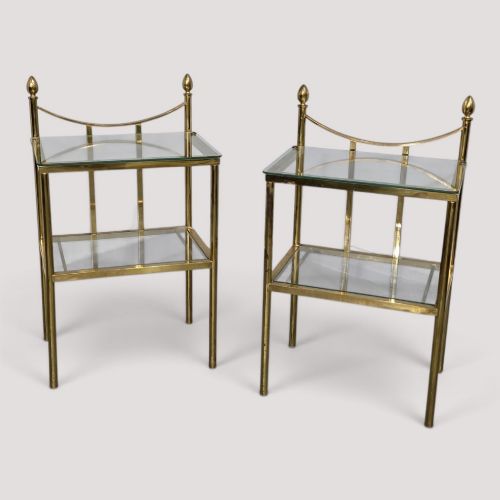
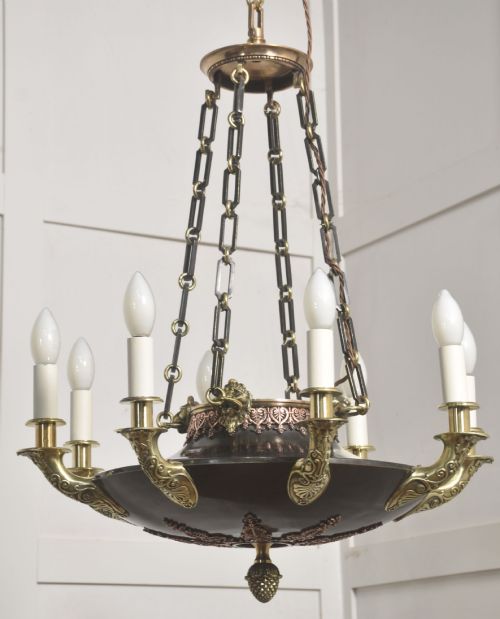

Regency Style Brass Lamps
Regency style brass lamps bring classical symmetry and warm metal tones to a room, drawing on early nineteenth-century forms.
Regency Style Brass Lamps
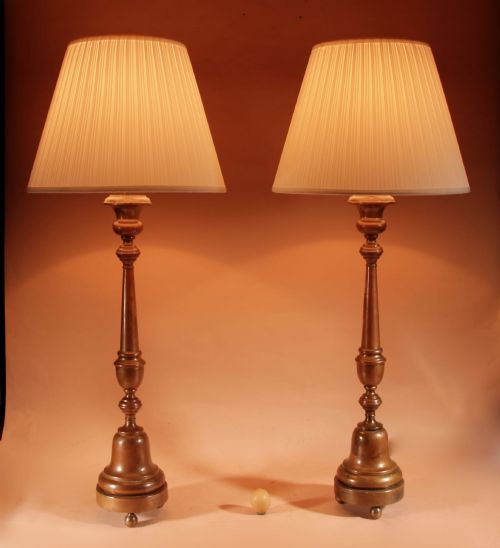
These pieces encompass lighting fixtures drawing inspiration from the nineteenth century, alongside later revivals spanning the Edwardian era and the twentieth century. Buyers seeking regency style brass lamps encounter standard lamps, floor lamps, and table lamps shaped by neoclassical design principles.
Materials and Construction
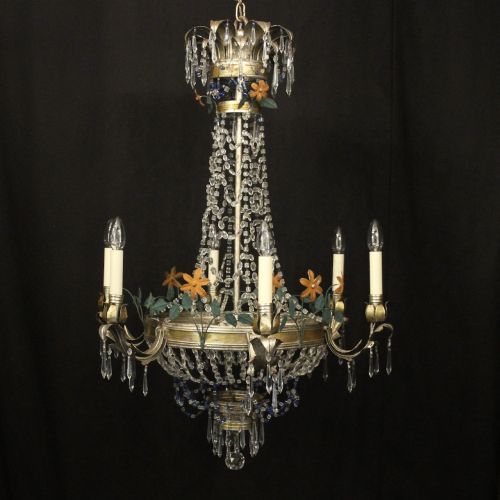
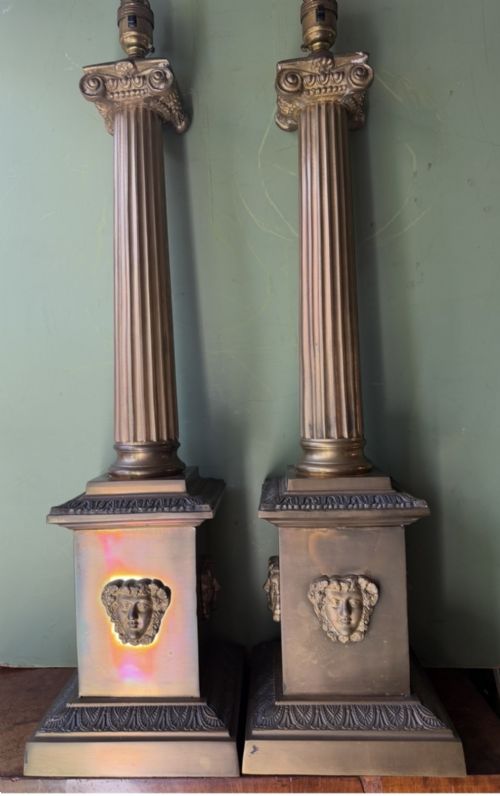
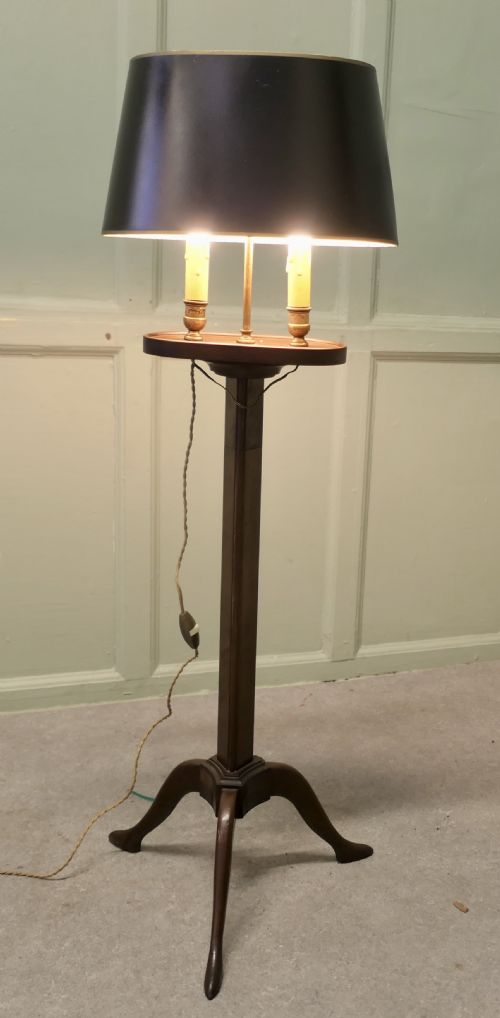
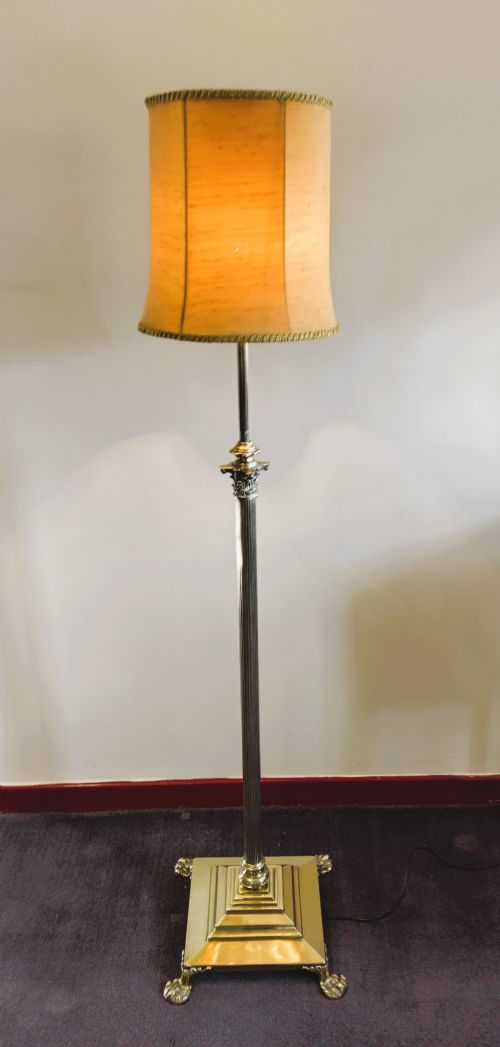
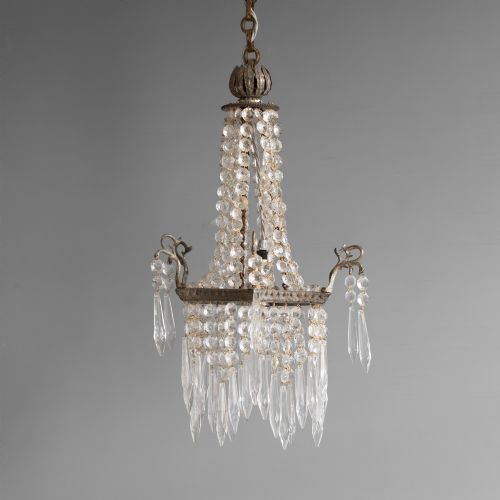
Maker workshops utilised solid brass, bronze, and gilt bronze, often pairing metal components with cut glass, crystal drops, and fabric elements. Heavy casting techniques produced robust columns and bases designed to support adjustable fittings and candle-style arms.
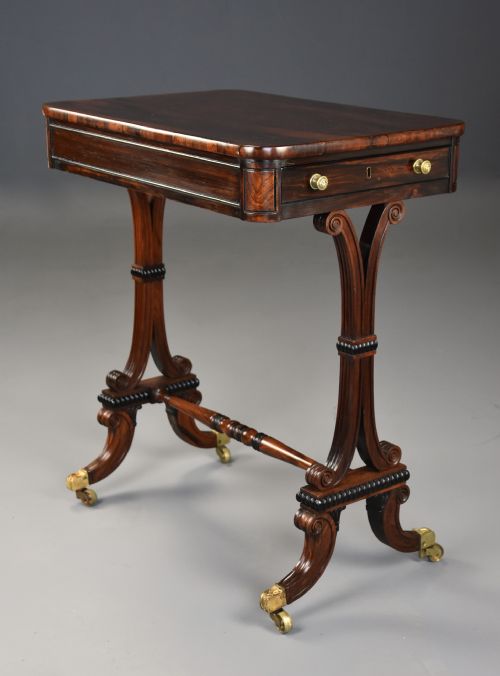
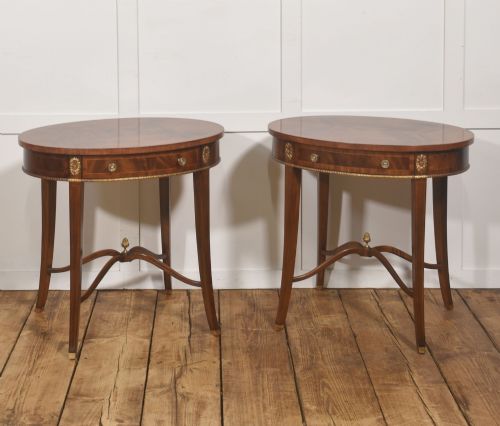
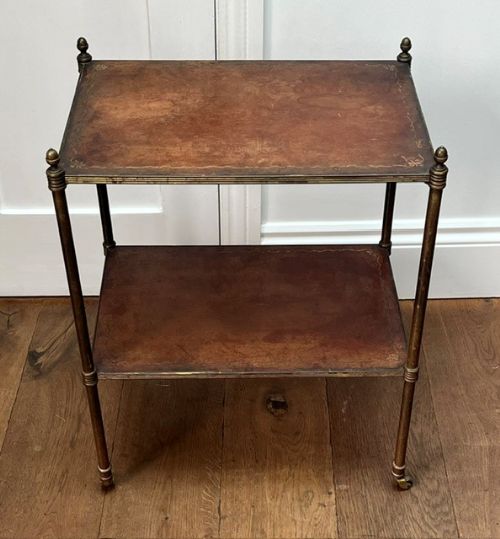
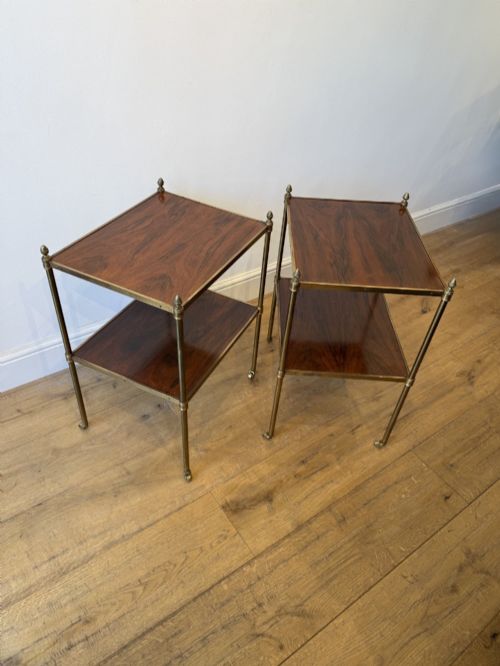
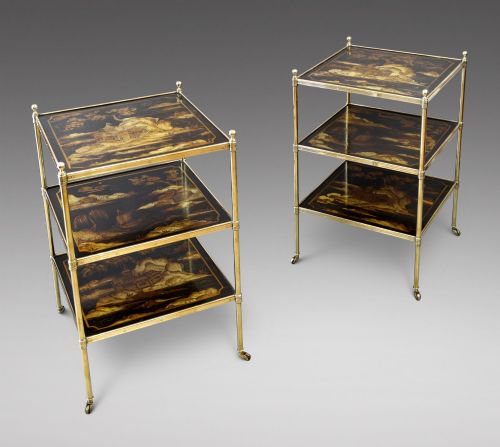
Secondary materials such as mahogany, rosewood, and tooled leather appear in companion pieces like side tables and etageres. Metalwork combines patinated finishes with polished highlights to emphasise classical architectural details like fluted columns and Corinthian capitals.
Regency Style Brass Lamps Retail Price Guide 2026
Typical asking prices for regency style brass lamps among the pieces listed under this phrase on Sellingantiques today, from the lower quarter to the upper quarter. They describe what is for sale here now, not the wider market.
Materials recorded on this page include solid brass, gilt bronze, crystal, mahogany, and tooled leather across multiple decorative styles.
Judging Quality
The standard of a piece rests upon the weight of the metal casting and the crispness of the chased or moulded details. Superior examples exhibit finely defined classical motifs, substantial gauge brass, and well-executed patination rather than flat, uniform plating.
Design execution separates standard production from exceptional work, particularly where proportions mirror early nineteenth-century precedents accurately. The integration of functional elements, such as smooth height adjustment mechanisms and secure mounts for glass or crystal, distinguishes finer items.
Gillows·Mallett of London·George Bullock·Messenger
The Regency Style Brass Lamps Glossary
- Ormolu
- Finely ground high-carat gold mercury-gilded onto a bronze or brass base. This technique creates a rich, durable surface finish typical of high-end classical lighting.
- Corinthian column
- An architectural column order featuring an ornate capital decorated with acanthus leaves. It appears frequently on the shafts of tall standard and table lamps.
- Etagere
- A set of open shelves or tiered side tables designed for display. These pieces frequently incorporate brass mounts and leather inset tops.
- Patination
- The natural surface change and coloration acquired by metal over time through handling and exposure to air. A desirable patination shows depth and age.
- Neoclassical
- A style reviving the classical art and architecture of ancient Greece and Rome. It prioritises symmetry, straight lines, and classical orders.
Regency Style Brass Lamps: Frequently Asked Questions
What defines a regency style brass lamp?
These lamps draw design inspiration from the early nineteenth century, featuring classical architectural elements such as columns, urns, and patinated or gilded metal surfaces.
They rely on strict symmetry and proportions derived from ancient Greek and Roman models, frequently utilising heavy cast brass and bronze.
How do I distinguish nineteenth century pieces from later revivals?
Examination of the metal casting methods, assembly screws, and the nature of the patination helps determine age. Earlier pieces often display hand-finished chasing and heavier gauge bronze or brass components.
Twentieth-century revivals may show different manufacturing marks and standardised internal wiring channels consistent with later production standards.
Where should I place a standard lamp in a room?
Standard floor lamps work effectively in corners or beside seating areas to provide adjustable ambient or reading light. Their vertical column forms draw the eye upward, making them suitable for balancing room proportions.
Pairing them with matching table lamps or low side tables helps create a cohesive lighting scheme across the space.
How should I care for antique brass and bronze?
Routine maintenance requires only gentle dusting with a soft, dry cloth to prevent the accumulation of dirt. Harsh chemical cleaners or abrasive polishes strip away the aged patination that collectors value.
Preserving the original surface finish ensures the metal retains its historical character and visual depth over time.