



Regency Style Box
These regency style box pieces bring neoclassical proportion and refined timber to a room, offering both decorative presence and practical containment.
Regency Style Box
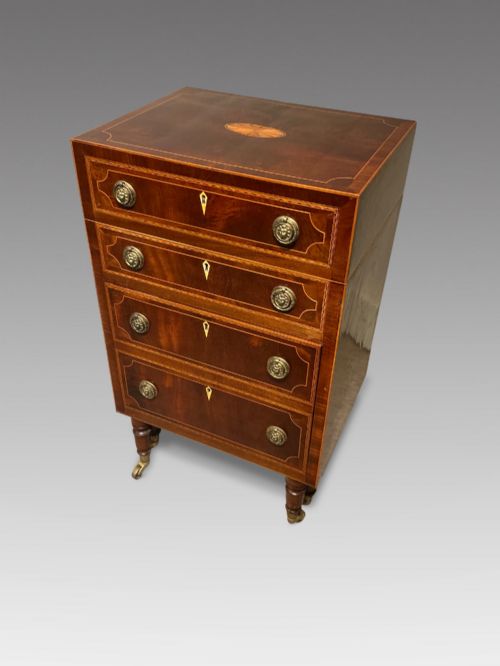
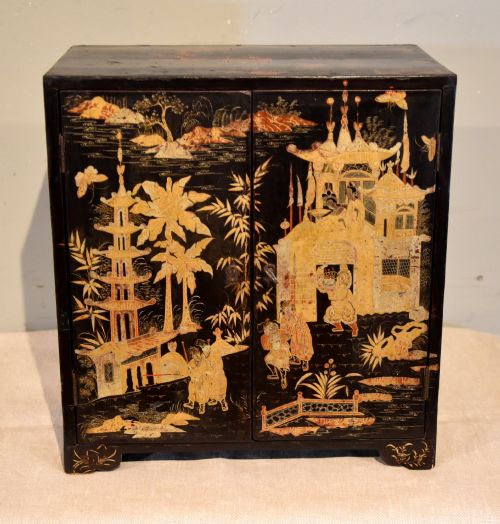
A regency style box encompasses various lidded vessels and small container forms drawing on neoclassical design principles from the late eighteenth and early nineteenth centuries. Buyers searching for a regency style box encounter diverse objects ranging from table cabinets and desk inkstands to sewing tables and decorative storage boxes.
The selections recorded here span periods from the Georgian era through the nineteenth century into the twentieth century, alongside specific revivals. Mahogany and rosewood dominate the material record, often paired with contrasting boxwood inlay or brass mounts.
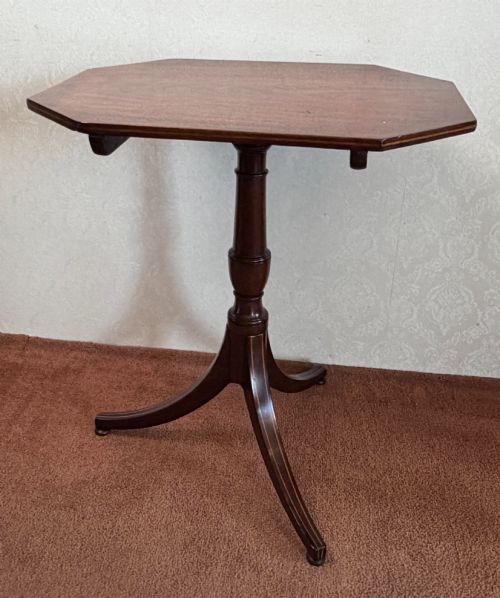
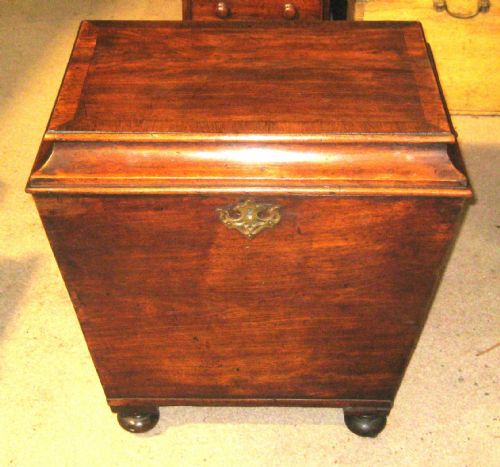
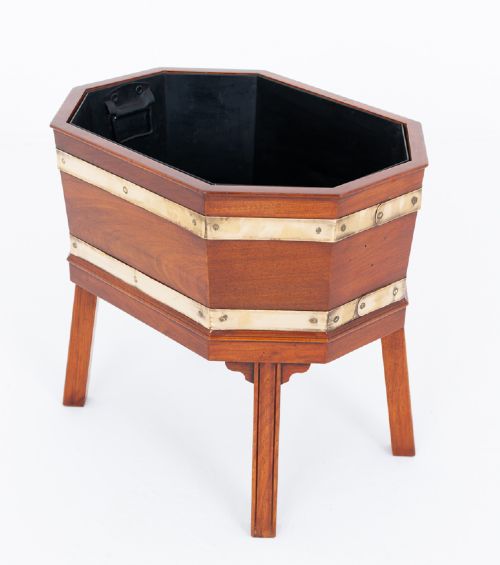
Object variations include wine coolers, occasional tables with storage, toilet mirrors with compartments, and specialised candle boxes. Each form serves a distinct domestic purpose while sharing characteristic classical lines.
Materials and construction
Cabinetmakers utilised dense timbers such as mahogany and rosewood as the primary structural bodies for these pieces. These hardwoods provided stable surfaces capable of taking a fine polish and supporting delicate decorative elements.
Surface enrichment relied on contrasting boxwood inlay and cast brass detailing to delineate architectural panels and borders. Gold leaf and specialised glass components occasionally augmented the primary timber construction on specific decorative items.
Regency Style Box Retail Price Guide 2026
Typical asking prices for regency style box among the pieces listed under this phrase on Sellingantiques today, from the lower quarter to the upper quarter. They describe what is for sale here now, not the wider market.
Listings feature mahogany and rosewood most frequently among timber types, with brass and boxwood serving as the primary inlay materials.
Distinguishing quality
The standard of a regency style box rests upon the precision of its joinery and the selection of timber veneers. Superior examples display tightly figured grain patterns and seamless integration of boxwood stringing or brass inlay.
Construction methods visible in secondary timbers and interior divisions reveal the maker's attention to structural integrity. Finer pieces maintain crisp carving and well-fitted internal compartments that operate smoothly within the solid wood framework.
The Regency Style Box Glossary
- Mahogany
- A durable tropical hardwood valued for its rich reddish-brown colour and stable working properties. It served as the predominant timber for high-grade furniture throughout the Georgian and Regency periods.
- Boxwood
- A pale, dense wood frequently utilised for contrasting stringing and geometric inlay work on dark cabinet surfaces. Its fine grain permits precise cutting for delicate decorative motifs.
- Rosewood
- A heavily figured exotic hardwood displaying dark brown and black striations across a warm reddish base. Cabinetmakers turned to this timber for luxury items requiring striking visual contrast.
- Cellarette
- A dedicated container or cabinet designed to hold wine bottles safely within a dining room setting. These pieces often mimic classical architectural sarcophagus forms.
Regency Style Box: Frequently Asked Questions
What is a regency style box used for?
These vessels served various containment functions in period interiors, from holding writing implements and sewing gear to storing candles or documents. Their enclosed designs kept valuable items protected from dust and light.
Today, they function effectively as decorative storage containers on desks, side tables, or chests of drawers. They provide hidden organisation while contributing classical form to a room scheme.
How do I identify mahogany on these pieces?
Mahogany displays a characteristic warm reddish-brown hue that deepens naturally with age and exposure to light. The grain often exhibits subtle ribbon or flame patterns depending on how the log was sawn.
Examining secondary surfaces reveals the dense, heavy nature of the timber. Genuine period pieces utilise solid mahogany or thick veneers over stable secondary woods rather than modern composite boards.
Where were these boxes placed originally?
Smaller boxes and inkstands sat atop writing desks, tables, or specialised stands within reception rooms and libraries. Larger cabinet forms and wine coolers stood directly on the floor against dining room walls.
Their placement depended entirely on their domestic function, ranging from dressing areas to formal entertaining spaces. They moved easily to wherever convenience or fashion dictated within the home.
How do I care for rosewood and mahogany?
Maintain these timber surfaces by keeping them away from direct sunlight and extreme humidity fluctuations, which can cause wood to split or veneer to lift. Dust regularly with a dry, soft cloth.
Avoid silicone-based polishes and excessive moisture. Occasional application of traditional beeswax helps preserve the natural sheen and nourishes the historical finish without building up residue.