






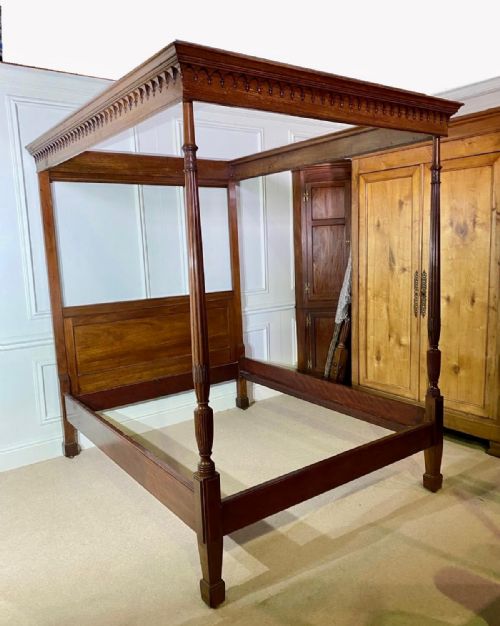


Regency Style Bed
These pieces sold as a regency style bed bring neoclassical proportion and timber warmth to a room.
Regency Style Bed
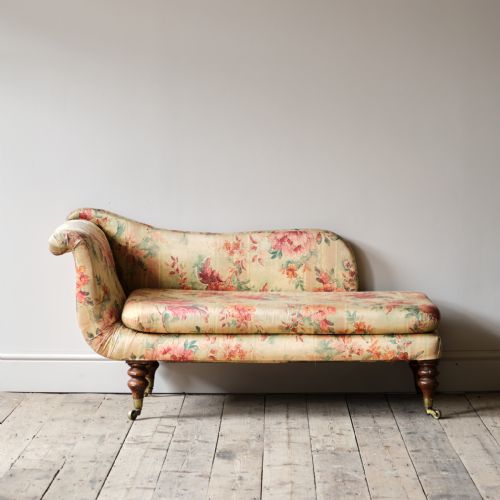
When you search for a regency style bed, you encounter a selection of items spanning the nineteenth century, Edwardian era, and nineteen hundred, alongside pieces attributed to the Georgian and Regency periods. The forms range from four poster beds and double bedsteads to single beds and related furniture such as bedside cabinets and chaise longues.
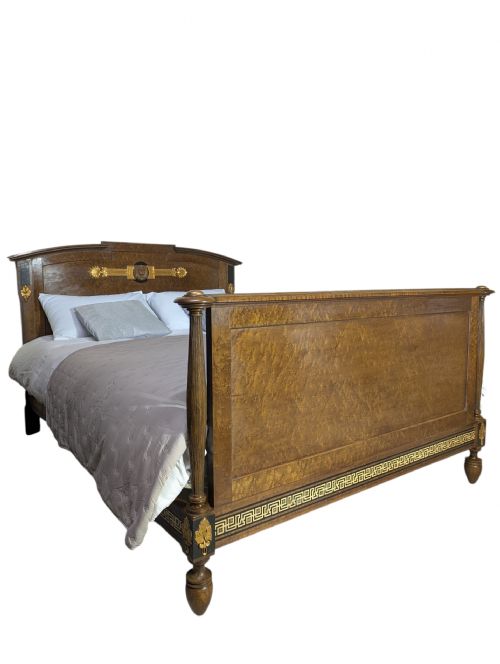
You are most likely to meet mahogany four poster beds and flame mahogany kingswood double bedsteads among the offerings, accompanied by rosewood bedside cabinets and bamboo style variants. The selection also includes painted four poster frames and gilt single beds reflecting French Empire and George IV influences.
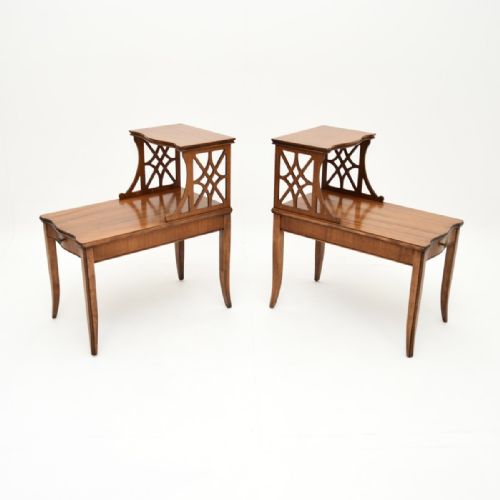
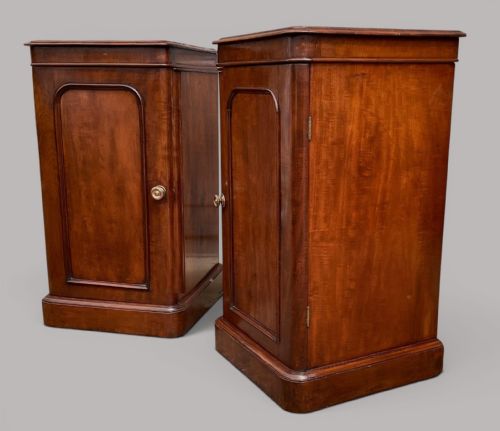
Alongside proper beds, the search reveals associated bedroom and salon furnishings like mahogany pedestal bedside cupboards and open framed window seats. These pieces share the characteristic vocabulary of the style, marked by classical restraint and rich timber surfaces.
How they were made
The makers of these items relied heavily on mahogany, rosewood, and kingswood timber, often selecting figured grains for prominent surfaces. These woods provided the structural integrity and deep colour that define the aesthetic of the period.
What varies in quality
The degree of refinement in the timber carving and the selection of veneer figure set examples apart. Superior items display crisp mouldings and carefully matched grain patterns across every surface.
Construction methods and the handling of secondary timbers indicate the care taken during manufacture. Pieces demonstrating finer cabinetmaking maintain structural stability while preserving delicate classical proportions.
Holland & Sons·Gillows
The Regency Style Bed Glossary
- Regency
- A stylistic period spanning the early nineteenth century defined by classical restraint and archaeological influence. It draws inspiration from ancient Greek, Roman, and Egyptian forms.
- Four poster bed
- A large bed featuring four vertical columns that support an upper tester or canopy. This form often serves as the focal point of a traditional bedroom.
- Kingswood
- A dense, heavily figured cabinet wood featuring dark violet and brown contrasting streaks. It was frequently utilised for fine veneering on high status furniture.
- Chaise longue
- An upholstered couch shaped to allow the user to recline with legs supported. These pieces combine seating comfort with neoclassical architectural frames.
Regency Style Bed: Frequently Asked Questions
How do I identify a true period piece?
Examine the construction methods, timber choice, and secondary woods used in the frame. Period pieces exhibit age-appropriate wear and traditional joinery techniques rather than modern fasteners.
Compare the proportions and decorative motifs against documented examples from the nineteenth century. Details like hand-cut screws and native secondary timbers often signal authenticity.
What maintenance do these wooden beds require?
Protect the timber surfaces from direct sunlight and drastic humidity changes to prevent warping or veneer splitting. Regular dusting with a soft, dry cloth preserves the finish.
Apply traditional beeswax periodically to nourish the mahogany or rosewood grain. Avoid silicone-based polishes that can damage antique polishes over time.
How do I style a four poster bed today?
Anchor the piece within a room that allows adequate vertical clearance to showcase the tester and columns. Keep surrounding furniture understated to let the classical lines of the bed remain prominent.
Use neutral bedding or fabrics that complement the warm tones of the mahogany or painted finish. Simple drapery can soften the imposing architectural presence of the frame.
What distinguishes Regency from Georgian designs?
Regency design draws inspiration directly from Greek and Roman antiquities, resulting in sleeker lines and contrasting metal mounts. Georgian furniture often displays heavier carved ornamentation and different proportions.
Look for sabre legs, reeding, and classical bronze or brass details on Regency examples. Earlier Georgian pieces tend toward rich mahogany carving without the specific archaeological motifs.