

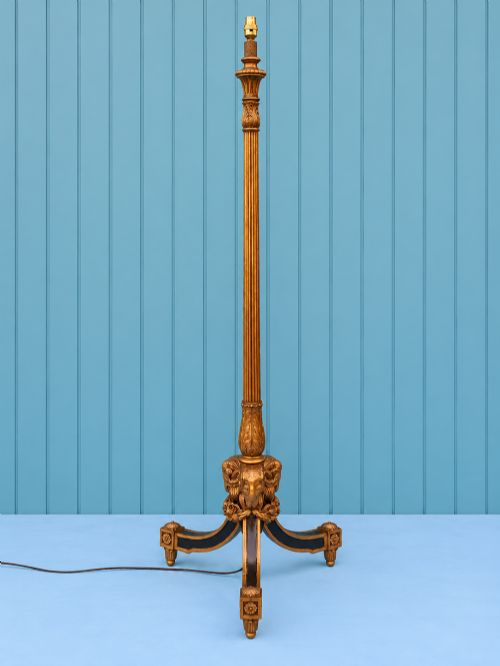
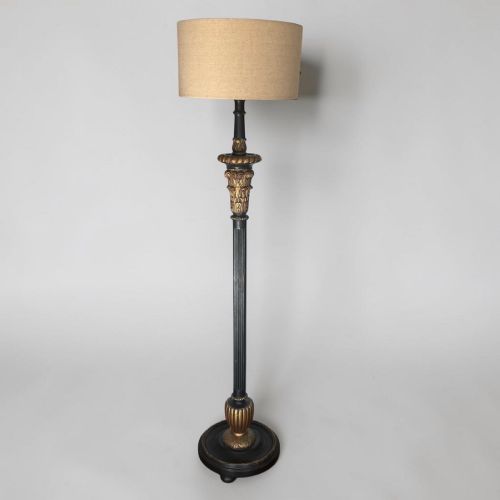
Regency Standing Lamp
A regency standing lamp brings classic architectural presence to a room, offering adaptable lighting through tall standards and slender shafts.
Regency Standing Lamp
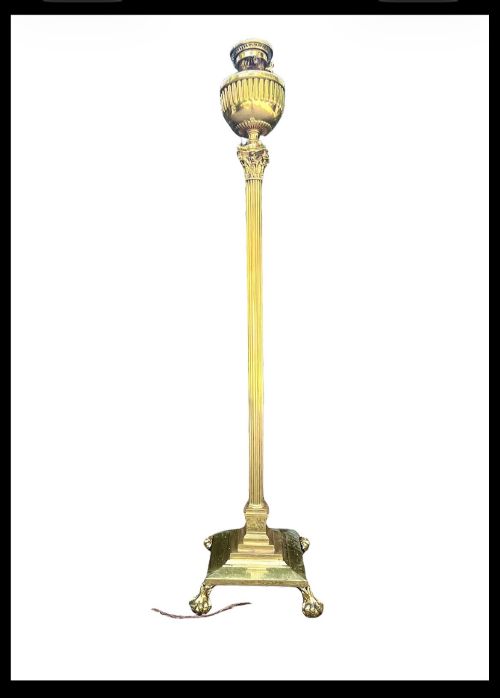
When you search for a regency standing lamp, you encounter lighting fixtures and occasional stands designed to elevate a room. The selection spans standard lamps, floor lamps, and tall torchers alongside smaller lamp tables.
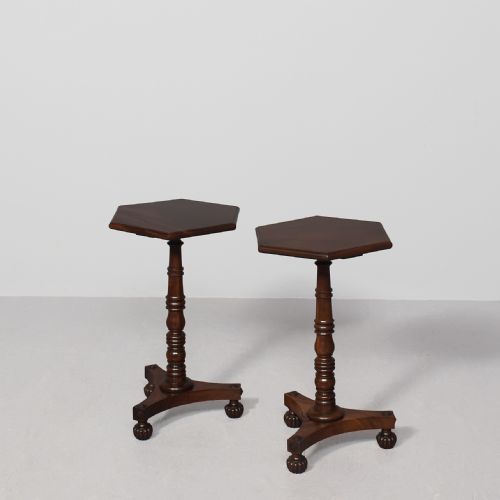
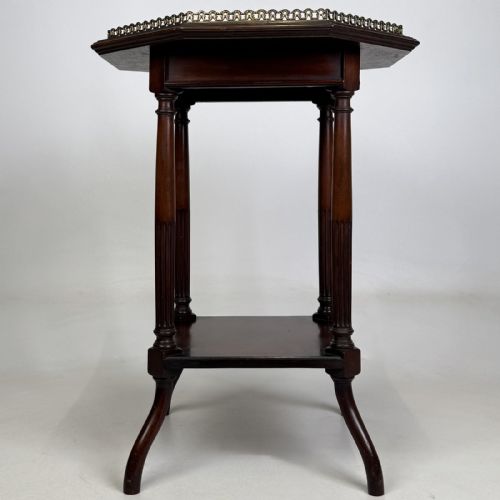
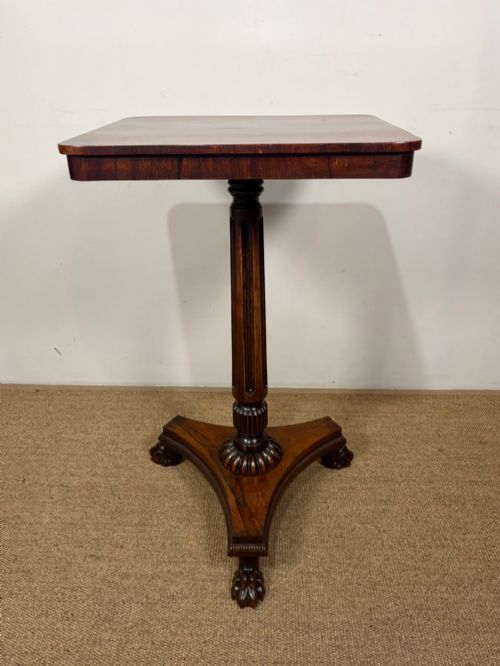
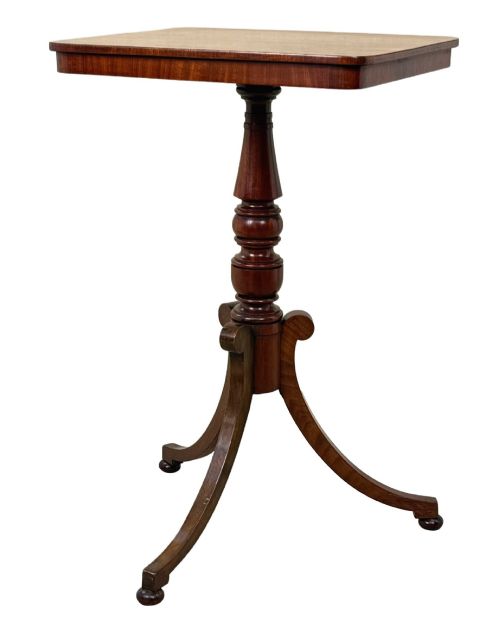
Period examples sit alongside later revivals, reflecting the enduring influence of early nineteenth-century design. Mahogany, rosewood, and brass dominate the forms, incorporating tripod bases and adjustable heights.
How they were made
Cabinetmakers utilised dense timbers like mahogany, rosewood, and fruitwood, often adding brass stringing, gilt metal mounts, or painted finishes to enrich the surfaces.
Construction techniques relied on sturdy tripod legs, turned pedestals, and adjustable mechanisms for candle or electric illumination.
Regency Standing Lamp Retail Price Guide 2026
Typical asking prices for regency standing lamp among the pieces listed under this phrase on Sellingantiques today, from the lower quarter to the upper quarter. They describe what is for sale here now, not the wider market.
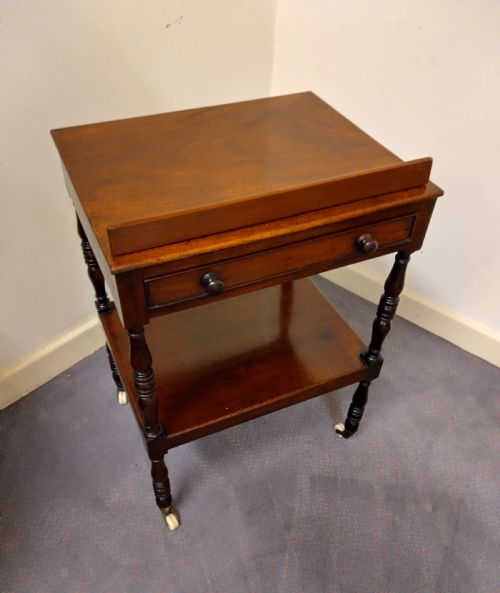
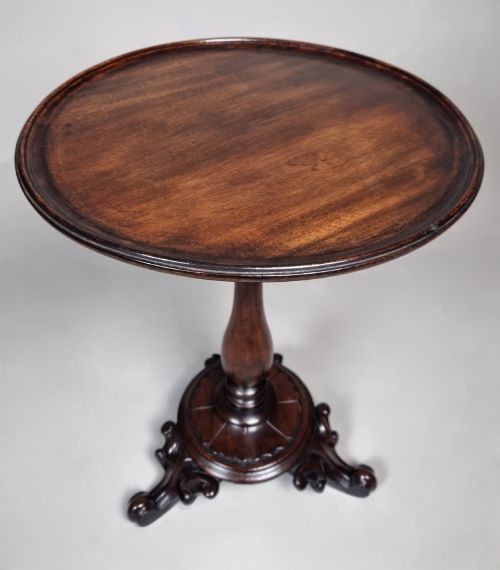
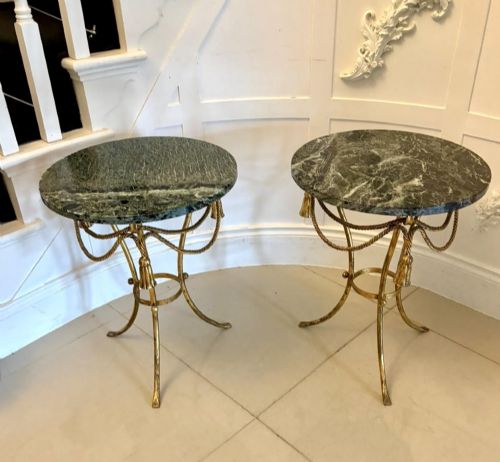
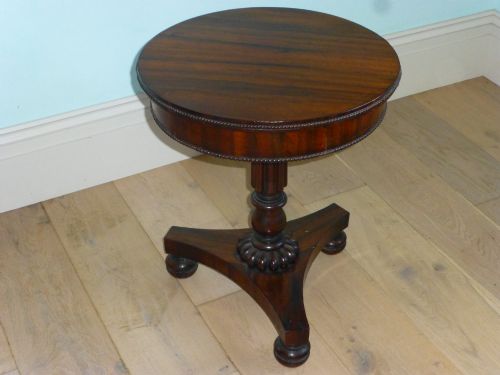
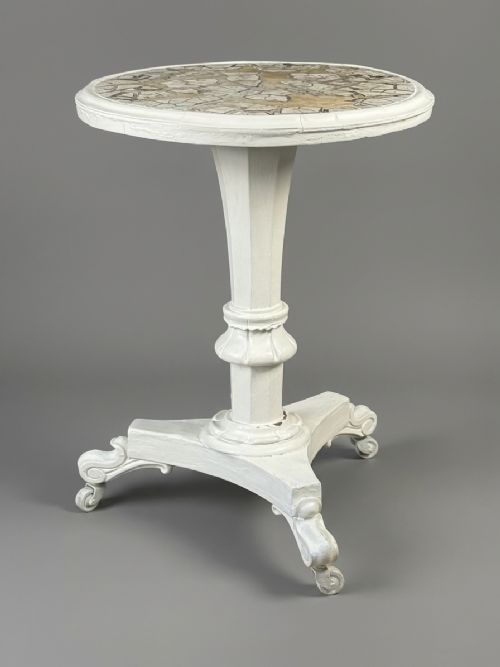
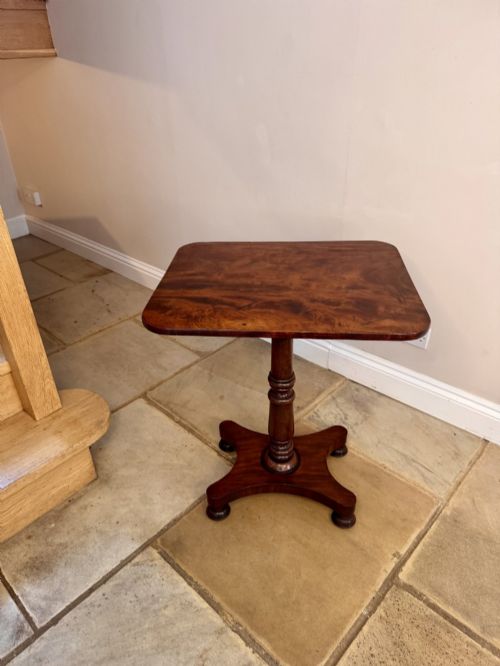
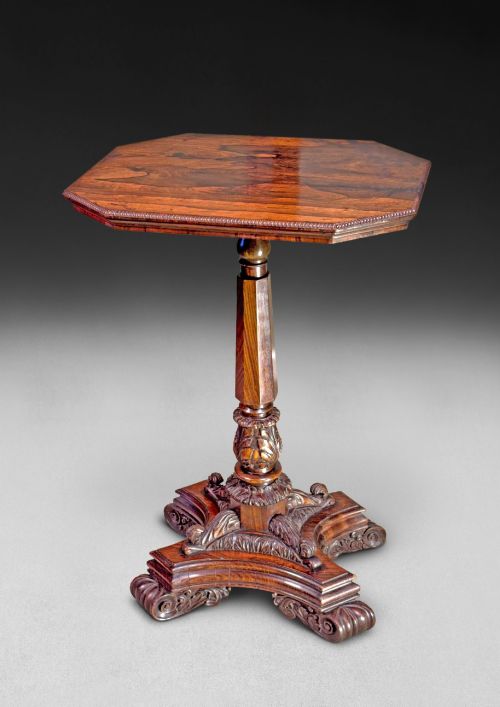
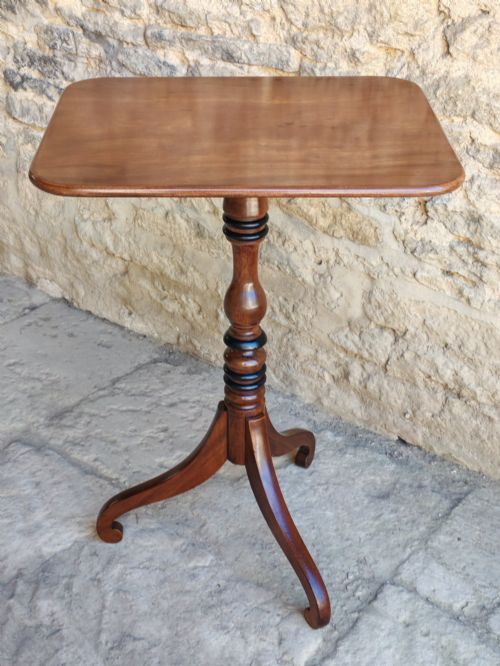
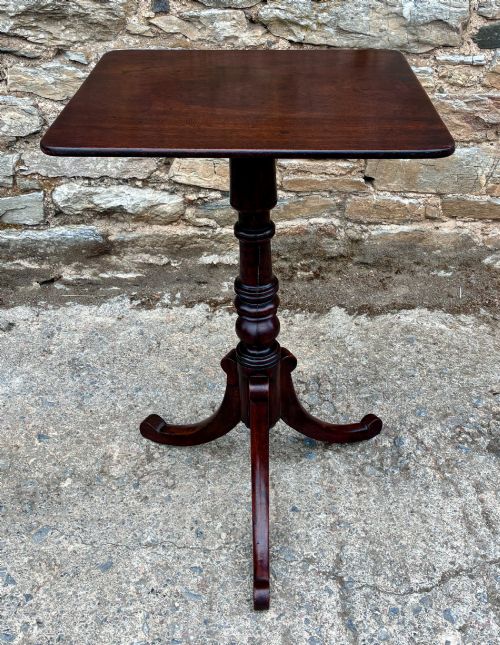
Some tall lamp stands double as wine tables, ensuring your reading light stays close to your evening drink.
What varies in quality
The degree of hand-finishing and the selection of timber dictate the standing of a piece, with figured grain and precise brass inlay marking out superior examples.
Proportion and stability also distinguish the range, as well-balanced pedestals and original mounting hardware hold greater appeal than later replacements.
Maison Bagues·George Bullock·Humphrey Hopper
The Regency Standing Lamp Glossary
- Torchere
- A tall decorative stand designed to support a light source or ornament. These elevated pieces often feature carved wooden pedestals or tripod bases.
- Standard lamp
- A vertical floor-standing lighting fixture. They provide ambient illumination in a room.
- Tripod base
- A three-legged support structure commonly found on tables and lamp stands. This design ensures stability on uneven floors.
- Brass stringing
- Inlaid thin lines of brass used to decorate furniture surfaces. This decorative technique highlights the contours of mahogany and rosewood tops.
Regency Standing Lamp: Frequently Asked Questions
How do I use a standard lamp in a room?
Position the fixture beside a seating area to provide focused reading illumination without cluttering tabletop surfaces. The height allows light to spread across a wider radius.
Combine the piece with low-level side tables or wine tables to create a balanced lighting scheme in a corner.
What is the difference between a torchere and a floor lamp?
A torchere traditionally holds a single light source or candle pointing upwards, functioning primarily as an architectural accent. Floor lamps offer broader functional illumination for everyday tasks.
Both types share tall vertical shafts, but torcheres lean towards decorative display rather than reading utility.
How can I tell period pieces from revivals?
Examine the timber construction, joinery methods, and wear patterns around the base and shaft. Period items display authentic ageing in the wood grain and metal fittings.
Revival pieces often utilise machine-cut elements and modern wiring channels while mimicking earlier neoclassical proportions.
Are these lamps suitable for modern interiors?
The clean classical lines of nineteenth-century design blend seamlessly with contemporary furnishings. Brass and dark wood add warmth and architectural weight to minimalist spaces.
Adjustable heights and slim profiles ensure the fixtures fit comfortably beside contemporary sofas and armchairs.