





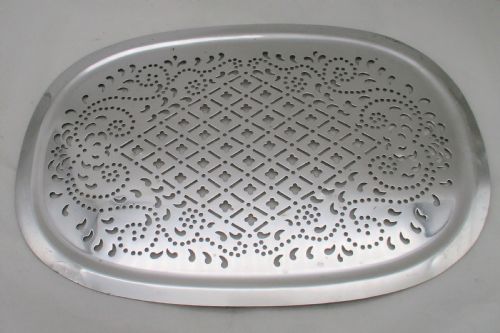


Regency Silver Tray
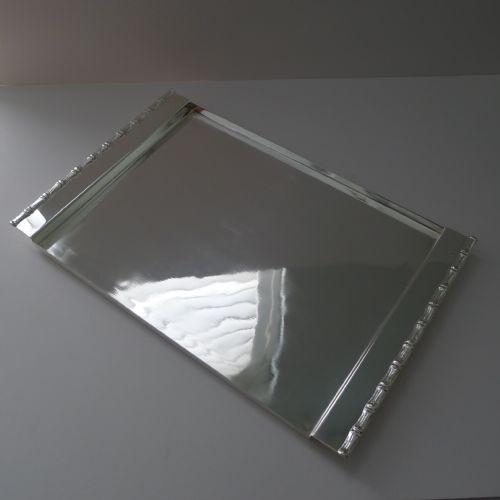
A regency silver tray brings undeniable presence to a room, offering a brilliant surface of Old Sheffield plate or solid silver shaped by the classic tastes of the early nineteenth century.
Regency Silver Tray
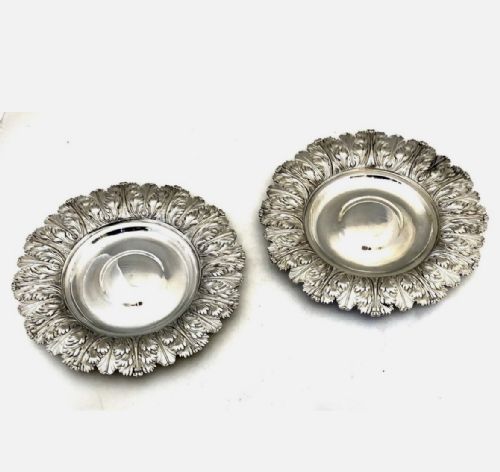
When you search for a regency silver tray, you encounter a refined group of serving pieces, salvers, and desk wares that span the Georgian and early Victorian eras. Most examples on offer date from the nineteenth century, capturing the restrained elegance and bold classical motifs characteristic of the period.
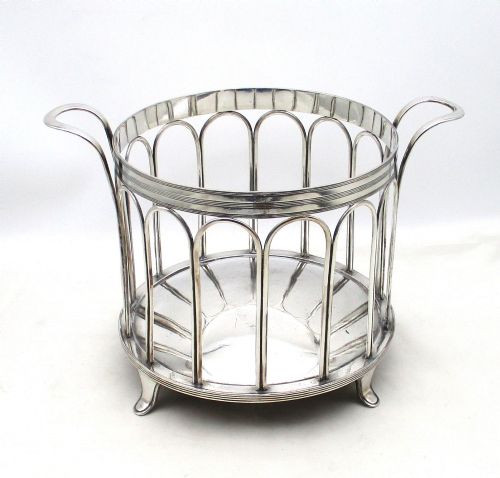
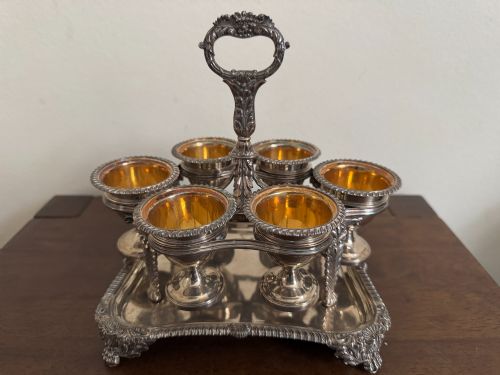
The forms extend beyond standard servers to include inkstands, knife trays, egg cruets, and bottle coasters, reflecting the formal dining and writing habits of the era. Makers often utilised traditional techniques to produce heavy, durable tableware designed to anchor a formal interior.
Originating predominantly from English workshops and silversmithing centres such as Sheffield and London, these items carry the distinct hallmarks or plating characteristics of their period. They combine utility with decorative status, functioning equally well as functional serving pieces or static display items.
Evaluating quality and craftsmanship
Quality rests in the crispness of the chased decoration and the integrity of the silver surface. Superior pieces retain the full thickness of their applied silver or fused plate, showing minimal base metal show-through on high points and edges.
Maker marks and hallmarks contribute significantly to the standing of a piece, with London and Sheffield assay marks providing clear evidence of origin and date. Weight and balance also separate standard production wares from exceptional commissions produced by leading silversmiths.
Several trays proudly bear engraved family crests like Cavendo Tutus, reminding us they once commanded attention in nineteenth-century dining rooms.
S C Younge and Co·William Burwash·Creswick·Walker Knowles·Samuel Hennell·John Walton·Matthew Linwood·Paul Storr
The Regency Silver Tray Glossary
- Old Sheffield Plate
- A fused bilayer metal formed by heating a sheet of silver and a thicker bar of copper together until they bond. This predates electroplating and exhibits a warm, deep lustre.
- Salver
- A flat tray, typically circular and raised on feet, used for serving drinks or presenting letters and calling cards.
- Inkstand
- A fitted desk tray holding inkwells, sanders, and pen holders, often fashioned in solid silver or plated copper during the Regency period.
- Mazarine
- A pierced insert designed to fit inside a tray or dish for draining liquids, occasionally found in Old Sheffield plate.
- Hallmark
- A series of official stamps applied to precious metals in Britain to guarantee the purity of the silver, the maker, and the year of assay.
Regency Silver Tray: Frequently Asked Questions
How do I clean a silver plated tray?
Clean these surfaces gently with a soft cloth and a mild silver cleaner formulated for antique metal. Avoid harsh abrasives that can wear through Old Sheffield plate and expose the underlying copper base.
Regular, gentle dusting helps prevent tarnish accumulation without requiring aggressive rubbing. Store the item in a dry environment away from direct heat sources to preserve the finish.
What is the difference between solid silver and plate?
Solid silver consists entirely of precious metal stamped with town and maker marks, whereas plated items feature a thin layer of silver bonded to a base metal like copper. Old Sheffield plate achieves this through a mechanical fusion process rather than chemical electroplating.
Examining the edges often reveals a subtle copper line on plated items where the silver has worn away through centuries of polishing. Solid silver maintains a uniform metal composition throughout its structure.
How can I date a Regency tray?
Dating relies on reading the assay office marks, maker stamps, and stylistic cues stamped into the metal. Pieces made of solid sterling silver carry precise hallmarks indicating the exact year of assay in London, Sheffield, or Newcastle.
Unmarked Old Sheffield plate requires stylistic analysis of the border motifs, handle design, and construction methods. The transition from fused plate to electroplate around the mid-nineteenth century provides a reliable chronological boundary.
Were these trays used for serving food?
These trays served primarily in formal domestic settings for carrying drinks, wine coasters, tea services, or calling cards. Knife trays and inkstands fulfilled specific functional roles in dining rooms and libraries.
Larger salvers often stood on sideboards to display silver tableware when not in active use. Their robust construction allowed them to handle heavy decanters and porcelain sets during daily household service.