
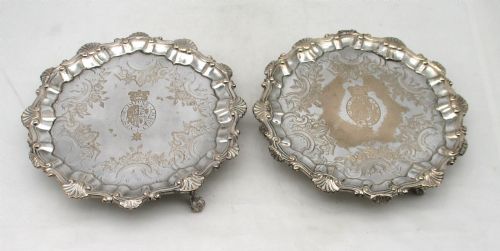
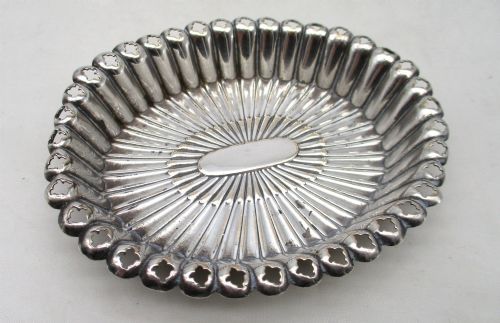
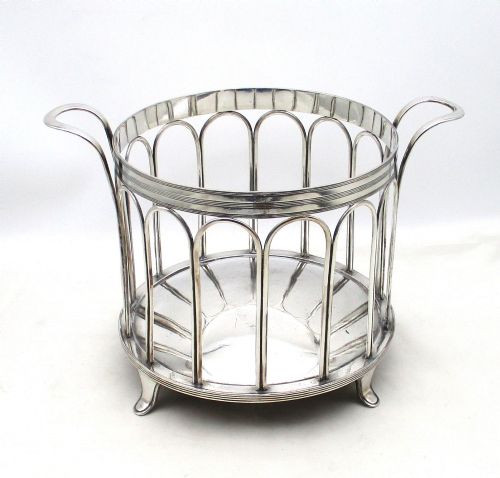


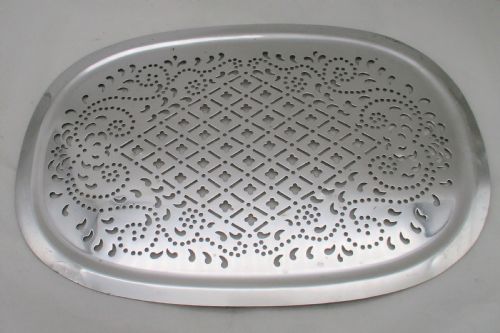


Old Sheffield Plate Tray
An old sheffield plate tray brings fused silver and copper together with a warmth that later electroplate simply cannot match.
Old Sheffield Plate Tray
An old sheffield plate tray represents a fusion of silver and copper created before the invention of modern electroplating. When searching for an old sheffield plate tray, buyers encounter forms ranging from small pin dishes and card trays to large serving platters and drinks trays.
The pieces span the eighteenth and nineteenth centuries, taking in Georgian, Regency, and early Victorian periods. Makers produced these items in various shapes including circular, oval, and rectangular formats, often incorporating detailed crests or wirework.
Method of Manufacture
The process involved fusing a sheet of silver to a thicker ingot of copper, then rolling them down together into a single plate. This technique left the underside showing a thin layer of silver or a copper line known as the watermark.
Workshops shaped these plates by hand or with early mechanical presses, adding applied silver borders and wirework edges to hide the exposed copper seams at the outer margins.
Listings for this phrase include Georgian and Regency items spanning copper, silver, and old sheffield plate materials.
Assessing Quality
Quality rests upon the preservation of the original silver layer over the copper core, as excessive cleaning over generations wears the metal down. Heavy gauge copper provides a rigid, substantive weight that distinguishes superior vessels from lighter, more flexible examples.
The crispness of chased crests, the integration of applied silver borders, and the discretion of the copper edge line dictate the standing of a piece within its period.
Creswick·Walker Knowles·Padley Parkin·J Dixon Sons·Waterhouse Hatfield·Morton Co·Gilbert·Matthew Boulton
The Old Sheffield Plate Tray Glossary
- Old Sheffield Plate
- A composite metal made by fusing silver to copper, developed in the eighteenth century. This predates electroplating by several decades.
- Salver
- A flat serving tray, typically raised on small feet. These vessels usually hold glasses or decanters.
- Mazarine
- A pierced draining plate fitted inside a tray or dish. It allowed juices to separate from meat during service.
- Coaster
- A small stand designed to hold bottles or decanters on a dining table. They often feature protective wooden bases.
- Watermark
- The visible line of copper showing where the fused silver sheet ends on the reverse or edge of a piece. It serves as an indicator of early plate.
Old Sheffield Plate Tray: Frequently Asked Questions
How do I clean an old sheffield plate tray?
Clean these surfaces gently with a mild silver cream and a soft cloth, avoiding harsh dips or abrasive brushes. Excessive rubbing will wear through the thin silver layer to expose the copper beneath.
Store the metal in a dry environment away from direct sunlight and humidity to prevent rapid tarnishing. Regular, gentle dusting preserves the soft lustre built up over centuries.
How can I tell old sheffield plate from electroplate?
Look closely at the edges and the underside for the characteristic copper seam or watermark where the fused sheet was cut. Electroplated items show a uniform silver coating over a base metal without this distinct line.
Old sheffield plate also tends to have a warmer, softer glow due to the underlying copper diffusing through the outer silver layer over time.
What were card trays used for?
Calling card trays sat in the hallway of a grand home to receive visiting cards left by callers. Servants used them to announce visitors or collect correspondence.
Over time, these small vessels transitioned into decorative items for dressing tables or studies, holding pins, trinkets, and small personal items.
How do I date an old sheffield plate tray?
Examine the style of the borders, handles, and any engraved armorial crests against Georgian and Regency design conventions. Plain wire edges and neat, thin proportions often point to the eighteenth century, while heavier cast ornaments suggest the nineteenth.
Check for maker marks on the underside, though many early pieces remain unmarked or bear pseudo-hallmarks designed to imitate sterling silver.