





Regency Silver Platter
A regency silver platter brings grand dining tradition to the table, offering polished surfaces and bright metalwork suited for display or service.
Regency Silver Platter
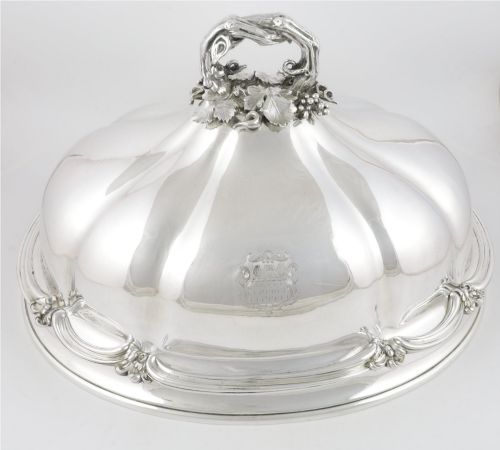
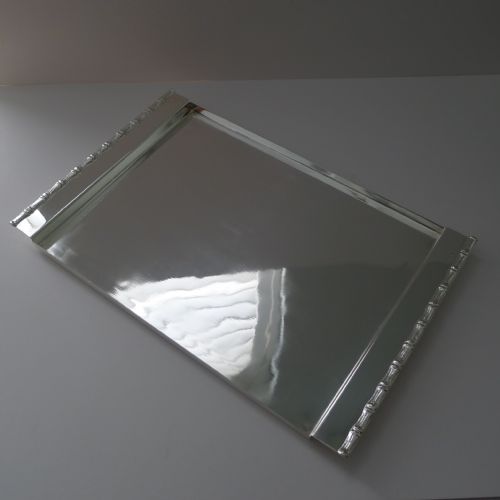
When searching for a regency silver platter, collectors and hosts examine a variety of large serving pieces including salvers, trays, meat domes, and warming dishes. These items originate predominantly from the nineteenth century, spanning Georgian, Regency, and William IV periods, alongside occasional mid-century modern pieces.
Materials and construction methods
Many items utilise Old Sheffield Plate, a technique involving a thin sheet of silver fused to a thicker copper core. This method leaves subtle copper edges visible upon close inspection, characteristic of the period's manufacturing process.
Solid sterling silver pieces rely on traditional silversmithing techniques, often featuring intricate borders, applied handles, and engraved heraldic crests or motifs.
Regency Silver Platter Retail Price Guide 2026
Typical asking prices for regency silver platter among the pieces listed under this phrase on Sellingantiques today, from the lower quarter to the upper quarter. They describe what is for sale here now, not the wider market.
One meat dome once kept dinner warm for the Duke of Somerset before finding its way to the modern market.
Distinctions in quality
Quality rests upon the crispness of chased or engraved details and the integrity of the plated surface over the copper base. Finer examples retain their original applied borders and makers' marks without excessive wear or replating.
Weight and balance also differentiate the pieces, as substantial gauge metal provides durability and a reassuring heft during use.
Roberts Cadman·S.C. Younge and Co·Boulton·Walker Knowles·Cresswick·Paul Storr
The Regency Silver Platter Glossary
- Old Sheffield Plate
- A composite material made by fusing silver to a copper base before rolling into sheets. This technique preceded electroplating.
- Salver
- A flat tray, typically supported on feet, used for serving glasses or presenting items.
- Meat Dome
- A large, domed cover designed to keep roasted joints warm on the dining table. They often feature an insulated handle.
- Mazarine
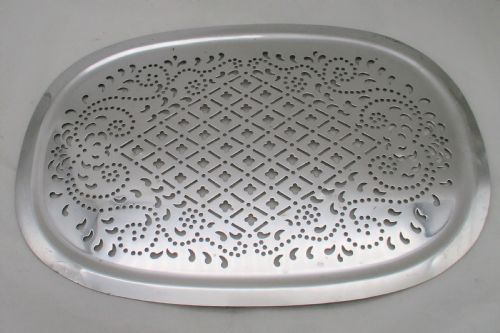
- A perforated insert placed inside a dish to drain juices away from meat or fish.
- Entree Dish
- A covered vessel used for serving individual courses during formal nineteenth-century dinners.
Regency Silver Platter: Frequently Asked Questions
How do I clean Old Sheffield Plate?
Clean these surfaces gently using a mild silver polish and a soft cloth to avoid wearing through the thin silver layer to the copper beneath. Regular dusting and minimal abrasive contact help preserve the finish.
Store the pieces in dry conditions, avoiding rubber bands or acidic paper that can tarnish the metal over time.
What is the difference between silver plate and Old Sheffield Plate?
Old Sheffield Plate uses a mechanical fusion method where silver and copper are heated together, resulting in a durable composite with characteristic copper seams. Later silver plating relies on electroplating processes.
This distinction aids in dating items accurately to the Georgian and Regency periods.
Can these platters still be used for serving food?
Many serving dishes and trays remain functional for modern dining, provided they are washed by hand promptly after use. Care should be taken with acidic foods that might react with the metal.
Many owners also display them on sideboards or walls when not in active service.
How can I tell a Regency piece from a later reproduction?
Examine the construction marks, weight, and wear patterns on the underside or edges where the copper base may show through. Authentic pieces exhibit period-appropriate hand-chasing and maker stamps.
Comparing hallmarks and mounting styles against documented examples helps confirm the date.