

Regency Silver Plated Plates
Regency silver plated plates and related dining items bring the weight and polish of early nineteenth-century dining rooms directly to modern tables.
Regency Silver Plated Plates
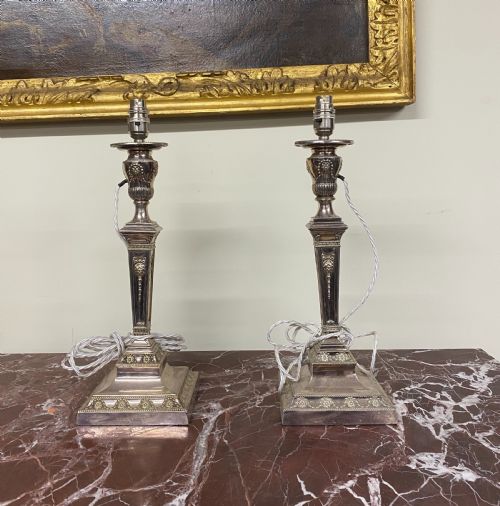
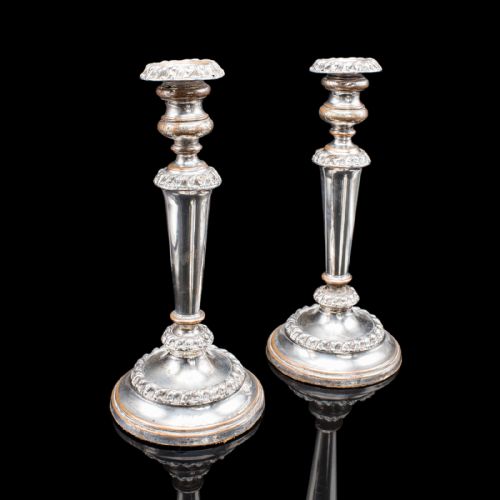
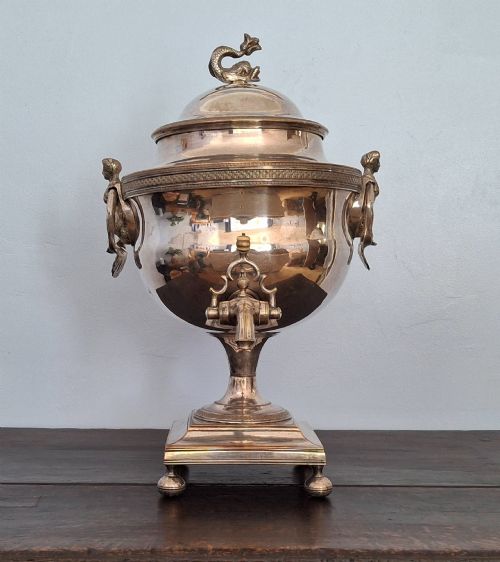
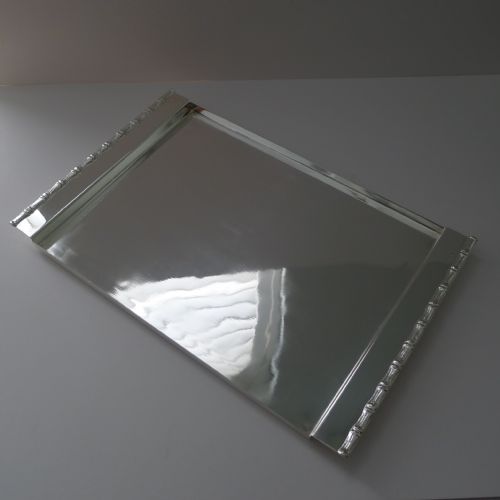
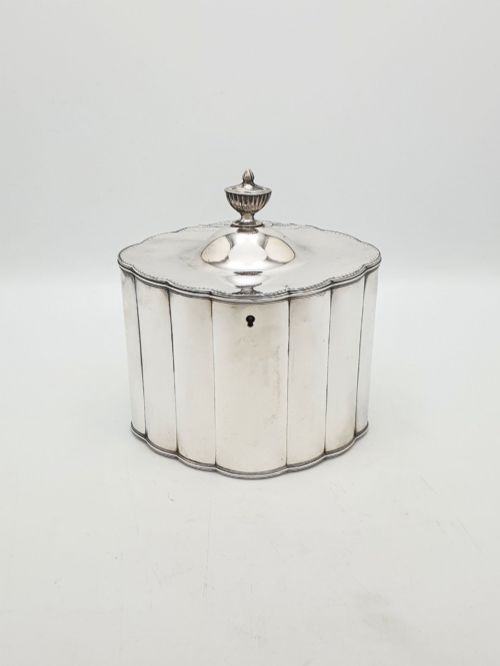
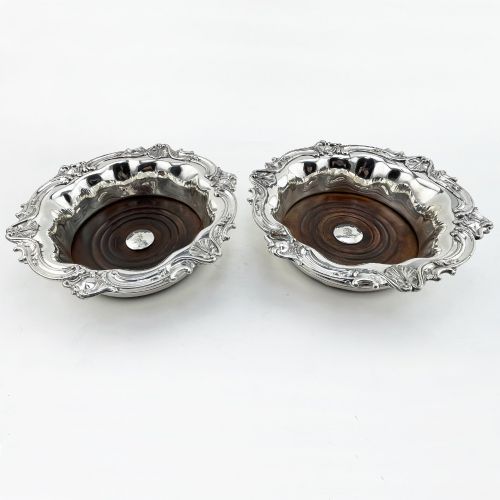
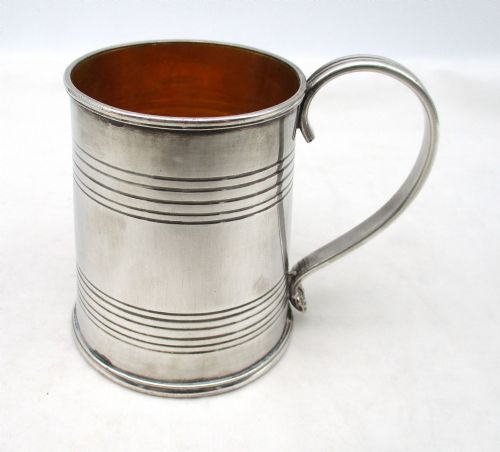
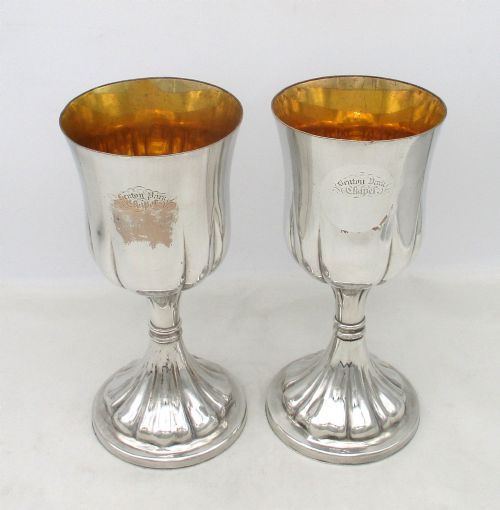
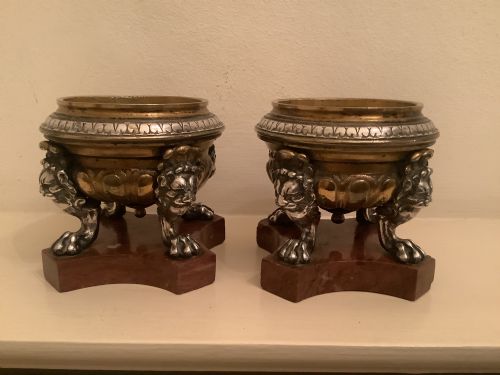
When searching for regency silver plated plates, buyers encounter a selection dominated by Old Sheffield Plate vessels, wine coolers, candlesticks, and serving pieces from the nineteenth century alongside later twentieth-century interpretations.
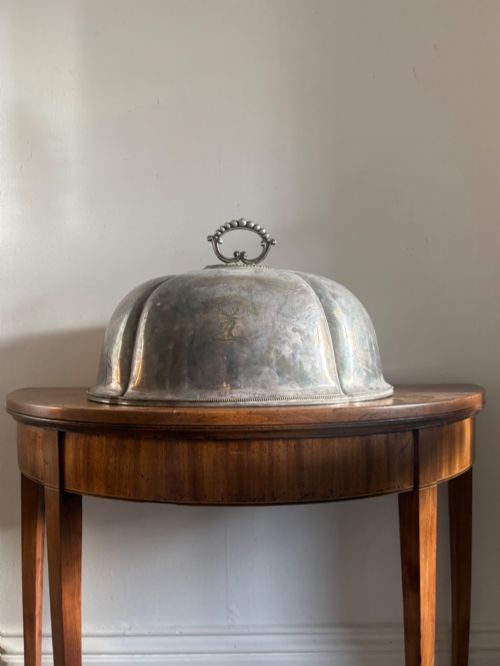
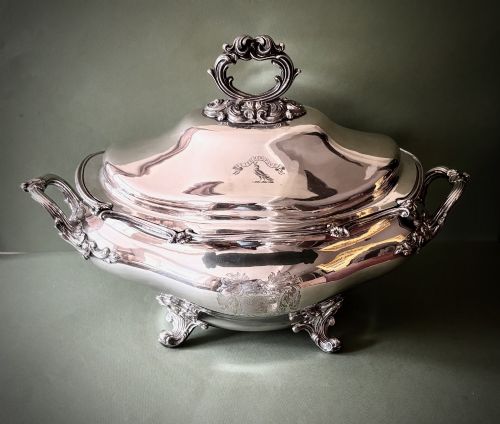
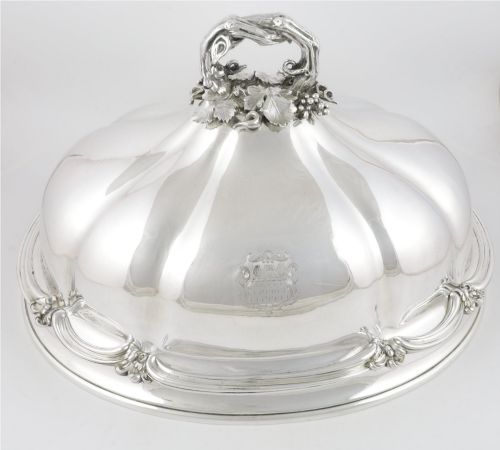
The objects span practical dining accessories such as meat domes, tureens, baskets, and coffee pots originating from Georgian and Victorian periods, reflecting the heavy silver plating techniques of their era.
While the literal flat plates appear less frequently than hollowware, the items on this page share the same foundational materials, styles, and periods characteristic of Regency dining culture.
Materials and construction methods
Old Sheffield Plate was produced by fusing a layer of silver to a thicker copper core, often finished with applied silver wire borders to conceal the base metal edges.
Silversmiths utilised copper, silver plate, and occasionally gold gilt, shaping the fused metal into elaborate wine coolers, candelabra, and baskets.
Later mid-century pieces incorporate alternative manufacturing techniques and materials like cut glass, wood, and modern silver plating methods.
Regency Silver Plated Plates Retail Price Guide 2026
Typical asking prices for regency silver plated plates among the pieces listed under this phrase on Sellingantiques today, from the lower quarter to the upper quarter. They describe what is for sale here now, not the wider market.
The inventory combines nineteenth-century Old Sheffield Plate with twentieth-century items, spanning copper, silver plate, wood, and cut glass.
Evaluating craftsmanship and condition
The distinction between standard items and superior examples rests upon the crispness of chased details, the subtlety of armorial crests, and the preservation of the original silver layer over the copper base.
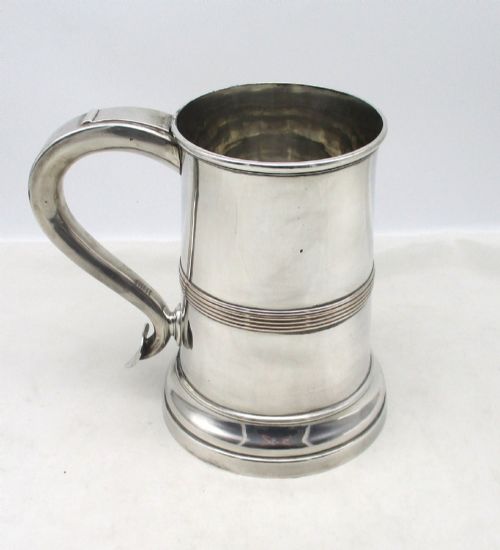
Weight and balance dictate the calibre of hollowware such as wine coolers, tankards, and telescopic candlesticks, where substantial construction ensures longevity.
The integrity of applied edges and the subtlety of craftsmanship separate utilitarian items from pieces made for formal dining.
Roberts Cadman·Creswick·Matthew Boulton
The Regency Silver Plated Plates Glossary
- Old Sheffield Plate
- A composite material made by fusing silver and copper together before rolling into sheets, developed in the eighteenth century.
- Hollowware
- Tableware items such as kettles, coffee pots, tureens, and wine coolers that possess volume rather than flat surfaces.
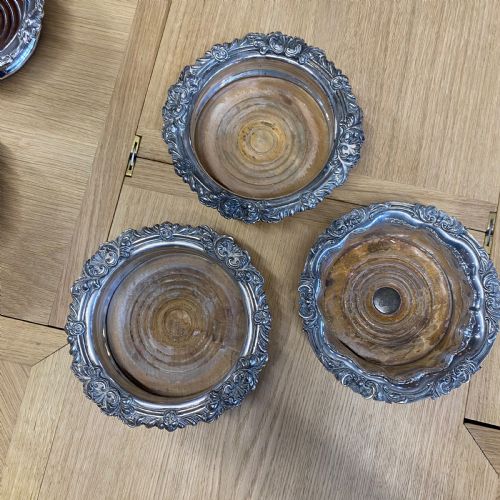
- Wine Cooler
- A vessel designed to chill bottles at the dining table, frequently executed in heavy silver plate with handles and armorial crests.
- Meat Dome
- A large domed cover utilised to keep roasted joints warm upon the dining table during service.
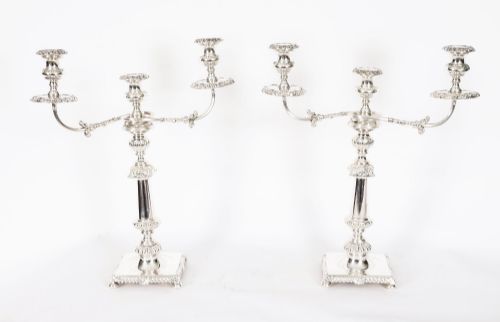
- Candelabra
- A branched candlestick holding multiple lights, often designed in matching pairs for formal Regency tables.
Regency Silver Plated Plates: Frequently Asked Questions
How do I clean old silver plate?
Cleaning requires gentle non-abrasive silver polishes and soft cloths to preserve the thin layer of silver resting upon the underlying copper base.
Aggressive scrubbing strips the plating entirely, exposing the reddish copper underneath and diminishing the historical surface.
What is Old Sheffield Plate?
Old Sheffield Plate is an early fusion material where a sheet of silver is thermally bonded to a thicker ingot of copper before being rolled out.
This method differs from later electroplating by producing a sandwich of metals with distinct edge characteristics.
How can I date these pieces?
Dating relies on stylistic markers, construction seams, and maker marks found stamped into the metal surfaces of the items.
Georgian and Regency items display specific neoclassical motifs, weighted bases, and hand-applied borders absent in later twentieth-century reproductions.
Were these items used daily?
Many pieces served practical functions in affluent households during dinner parties, breakfast services, and evening gatherings.
Serving vessels, wine coolers, and coffee pots saw repeated handling, which often accounts for minor wear patterns on raised edges.