



Regency Silver Centerpiece
A regency silver centerpiece anchors a dining table with grandeur, bringing together gleaming silver, cut glass, and bronze to hold fruit, wine, or light.
Regency Silver Centerpiece
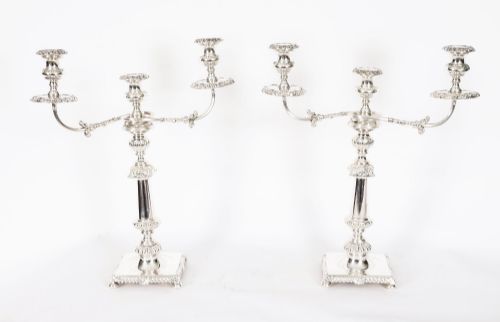
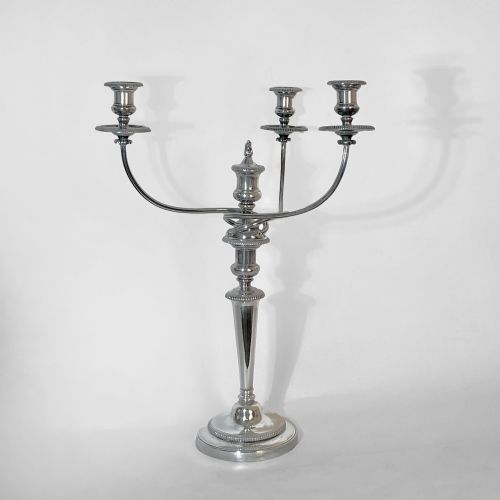
A regency silver centerpiece encompasses an array of large dining table ornaments, including candelabra, wine coolers, baskets, tureens, tazzas, and epergnes. These objects originate predominantly from the nineteenth century, the Georgian era, and the Regency period.
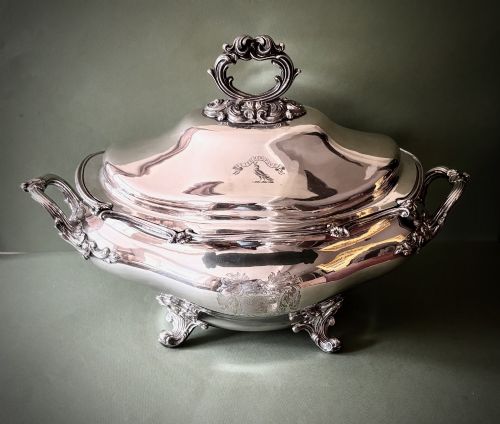
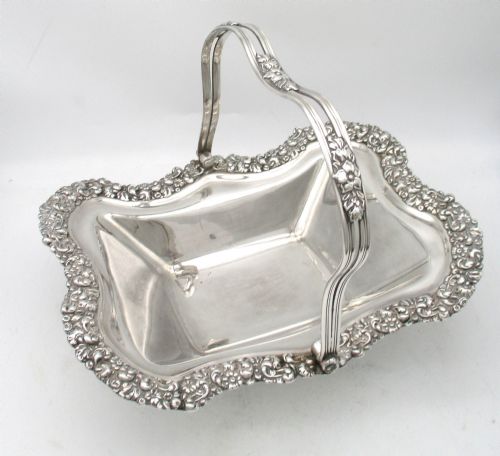
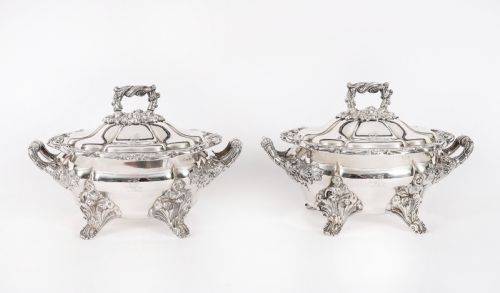
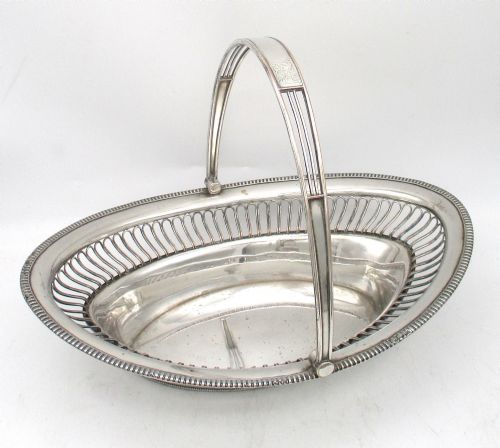
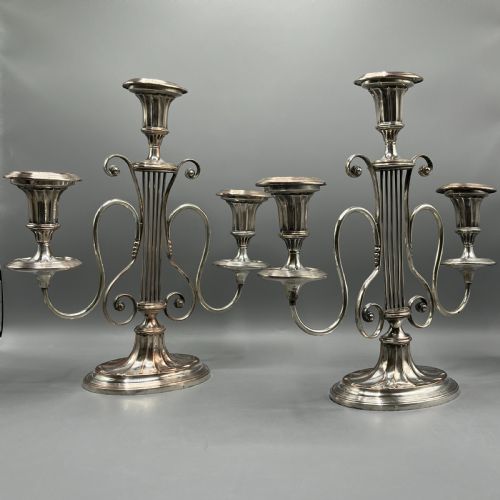
The versions most commonly met on this page are Old Sheffield Plate and silver pieces, frequently appearing as pairs of candelabra, wirework baskets, and campana wine coolers. Forms span from oval lidded sauce tureens to intricate cut glass epergnes and circular based candelabra.
Makers and origins stretch across the period styles of Regency, Georgian, Neoclassical, Indian Colonial, and Victorian. Buyers encounter items shaped by classical tastes, such as lyre-shaped candelabra and plateau mirrors, designed for formal dining.
Materials and construction methods
Many items utilise Old Sheffield Plate, a process fusing a thin sheet of silver onto a thicker copper base, visible in wirework baskets and wine coolers. Silversmiths also worked in solid sterling silver, creating pieces like bread baskets and soup tureens.
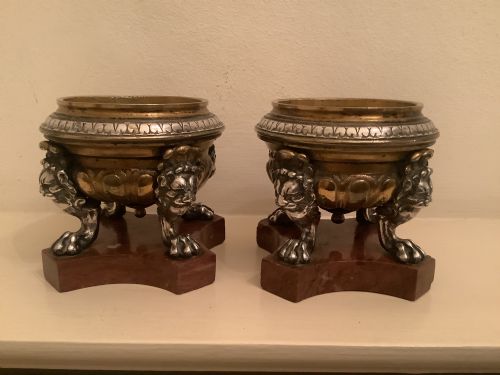
Glassmakers contributed heavy cut glass inserts and bowls, which combined with silver plate, bronze, and marble elements in complex epergnes and tazzas. Structural components often involved detailed casting and soldering to form multi-light candelabrum branches and campana urn bodies.
Regency Silver Centerpiece Retail Price Guide 2026
Typical asking prices for regency silver centerpiece among the pieces listed under this phrase on Sellingantiques today, from the lower quarter to the upper quarter. They describe what is for sale here now, not the wider market.
Materials recorded across the inventory include copper, silver plate, Old Sheffield Plate, solid silver, cut glass, sterling silver, bronze, and marble.
Distinctions in quality
Quality separates through the crispness of chased and cast ornamentation, where sharply defined Neoclassical motifs and smooth proportions distinguish superior items. The integrity of the Old Sheffield Plate surface, maintaining its silver layer without excessive copper bleed through, marks finer production.
The weight and balance of multi-light candelabra and the clarity and depth of cut glass components determine the upper tier of the range. Master silversmiths and established workshops achieved superior harmony between materials such as bronze, silvered surfaces, and marble bases.
John Walton·Blagden, Hodgson And Co
The Regency Silver Centerpiece Glossary
- Old Sheffield Plate
- An early form of silver plating created by thermally fusing a sheet of silver to a copper ingot before rolling them into sheets. This technique predates electroplating and often reveals thin lines of copper along edges and wear points.
- Candelabra
- A branched candlestick designed to hold multiple taper candles simultaneously. Examples from this era frequently feature removable branches to convert them into single candlesticks.
- Epergne
- A large ornamental centerpiece designed with multiple tiers, baskets, or dishes branching from a central stem. They were traditionally used to serve fruit, sweets, or flowers at the centre of a dining table.
- Campana
- A vase or wine cooler shaped in the inverted bell profile derived from classical antiquity. This silhouette is typical of Regency metalwork and wine cooling vessels.
- Wirework Basket
- A decorative vessel constructed from interwoven metal wire strands, frequently produced in Old Sheffield Plate around the turn of the nineteenth century. These baskets served bread, cakes, or fruit during formal meals.
Regency Silver Centerpiece: Frequently Asked Questions
What is a regency silver centerpiece used for?
These large tableware items served functional and decorative roles on formal dining tables during the Georgian and Regency periods. They held wine bottles, presented fruit and bread, illuminated rooms with multiple candles, or served soups and sauces.
Over time, their usage shifted from active dining service to display pieces. Today, collectors utilise them as focal points on dining tables or sideboards.
How do I identify Old Sheffield Plate?
Old Sheffield Plate is identified by its distinctive method of fusing silver to copper, which produces a warm, deep glow rather than the bright finish of modern electroplate. Close inspection often reveals subtle traces of the underlying copper showing through along high wear points or cut edges.
Pieces from this era frequently exhibit weight and construction techniques distinct from later nineteenth-century silver plate. The presence of wirework and fused seams provides further clues to this early manufacturing process.
What styles influence these centerpieces?
Neoclassical and Regency styles heavily influence these dining table pieces, drawing inspiration from ancient Greek and Roman architecture and art. This translates into campana urn shapes, classical motifs, and balanced, symmetrical forms.
Victorian and Indian Colonial variations also appear, reflecting broader geographical influences and changing decorative tastes through the nineteenth century. These stylistic markers help place items within their historical periods.
How do I care for silver plate?
Silver plate requires gentle cleaning with non-abrasive silver polishes and soft cloths to preserve the thin metallic surface. Avoid harsh chemical dips, which can strip the plating, particularly on Old Sheffield Plate where the copper base might become exposed.
Keeping pieces away from high humidity and direct sunlight helps prevent rapid tarnishing. Regular, careful dusting maintains the lustre of the metal without wearing away historic surfaces.