


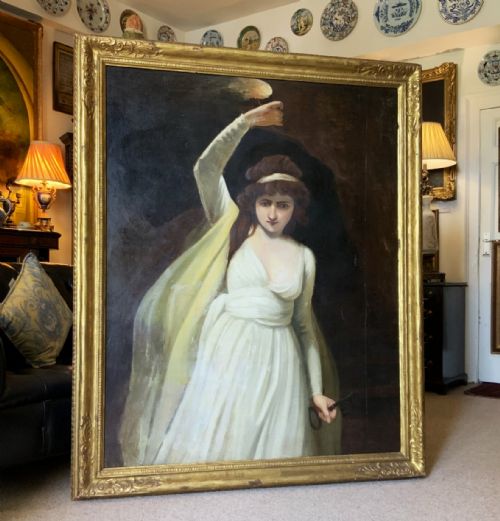

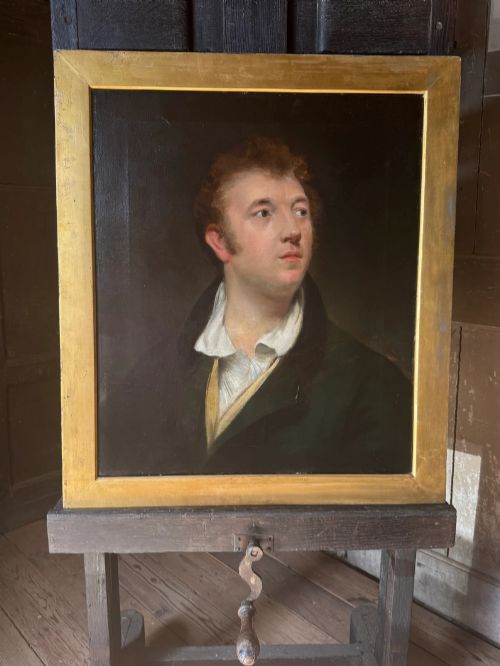
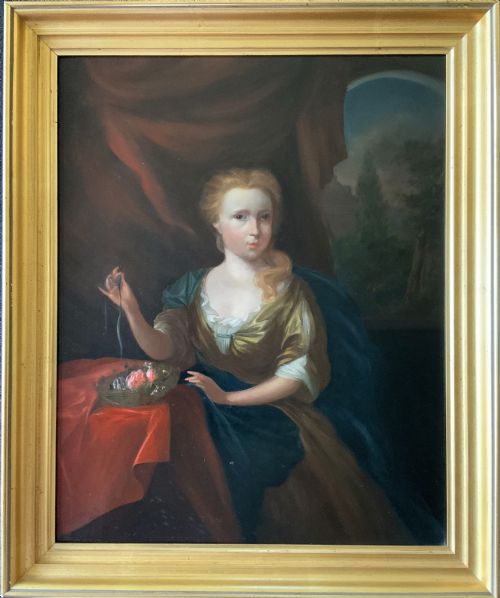
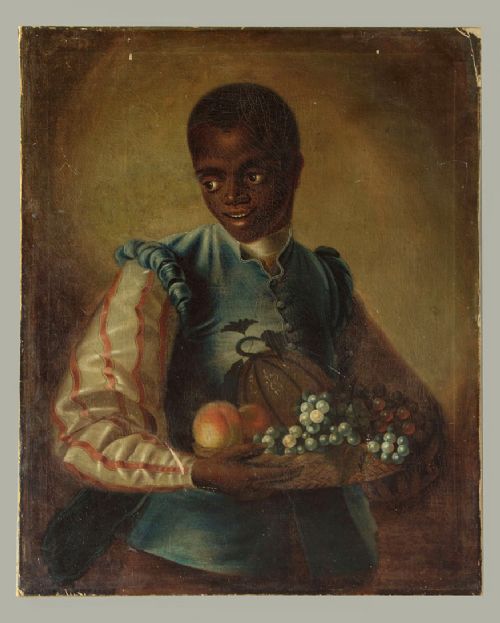

Regency Portrait on Canvas
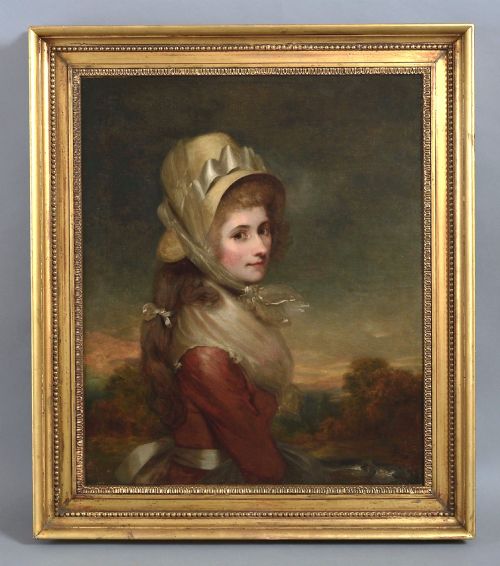
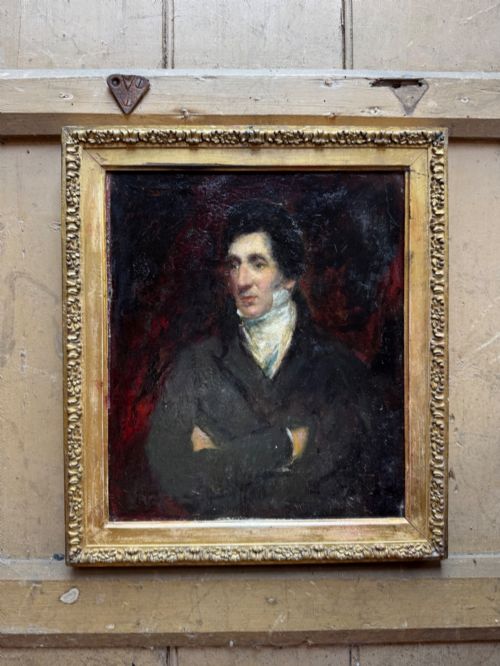
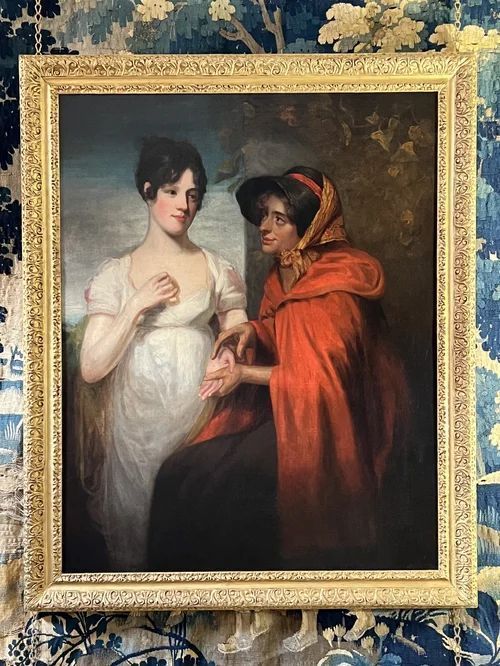
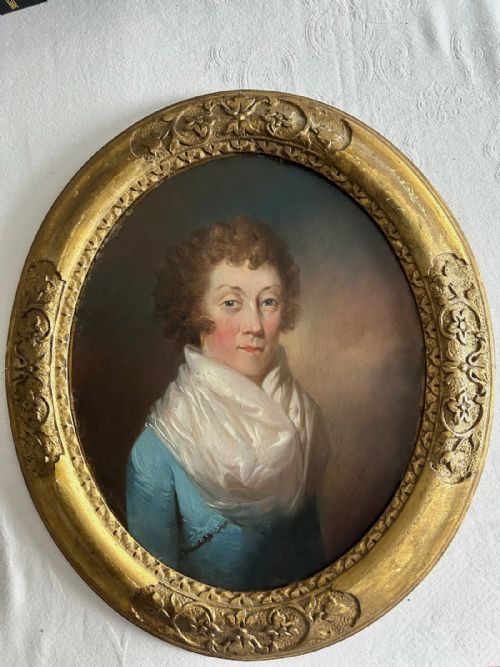
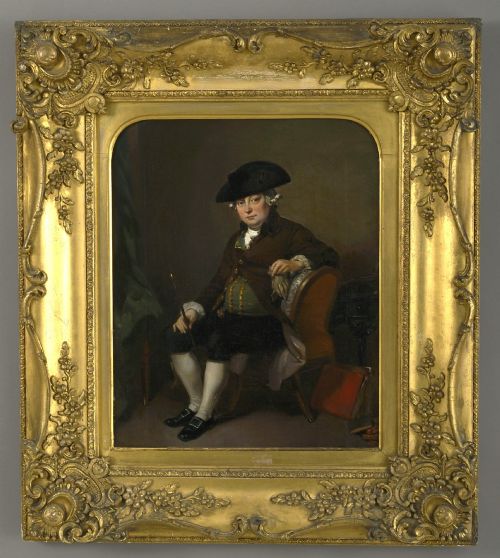
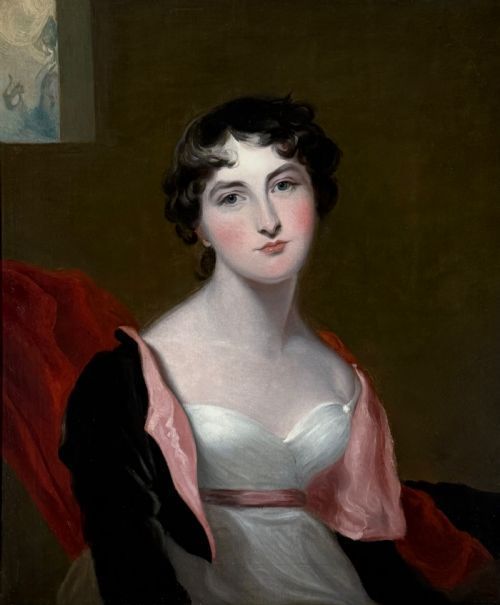
A regency portrait on canvas captures the distinct character and sartorial elegance of the early nineteenth century in oil paint.
Regency Portrait on Canvas
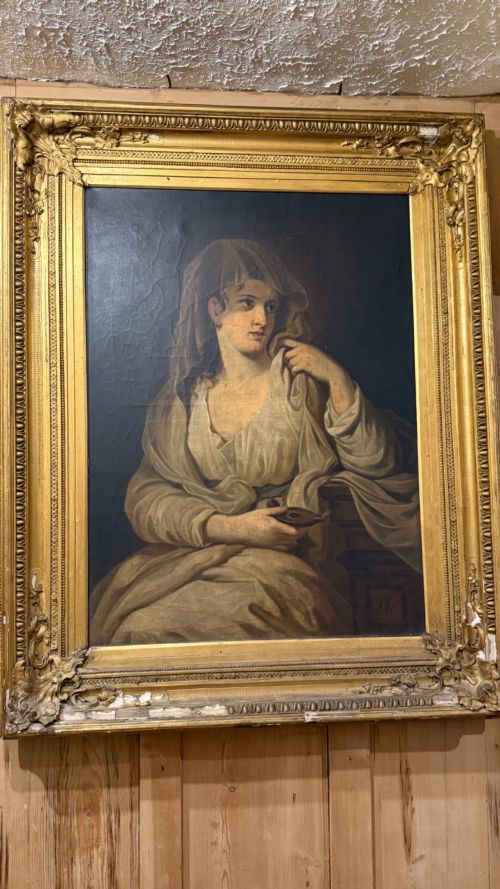
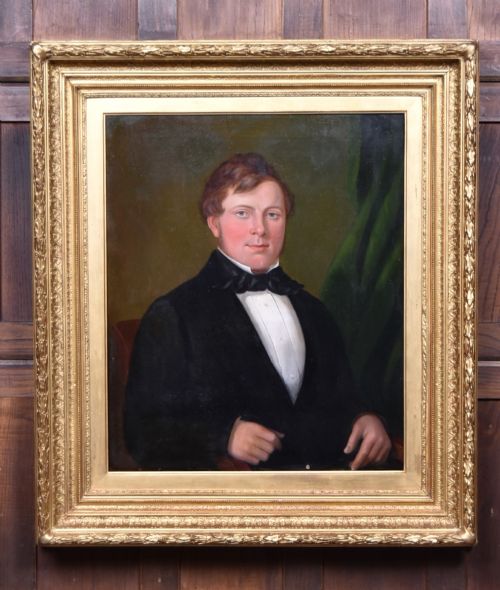
When searching for a regency portrait on canvas, you encounter painted representations of gentlemen, ladies, officers, and children executed primarily during the Georgian, Regency, and wider nineteenth-century periods. These works capture sitters in half-length or full poses, often reflecting the neoclassical aesthetic of the era.
The pieces on this page span formal studio commissions by established artists alongside provincial works and naive school pieces. You will find portraits attributed to named painters or associated workshops, as well as character studies, genre paintings, and equestrian subjects framed in original timber.
Subjects range from aristocracy and military officers to everyday figures like auctioneers, servants, and children. Many canvases retain their period character through original stretchers and giltwood surrounds, offering a direct link to the interior styling of the period.
How They Were Made
Artists built these works using oil paint applied to stretched woven canvas, sometimes laid onto secondary board supports for stability. Pigments were layered to achieve depth in clothing, skin tones, and background shadows.
Surrounds play an integral role in presentation, with many canvases housed in period giltwood and carved wood frames finished with gold leaf. These frames use traditional joinery and ornamentation consistent with Regency and Georgian tastes.
Several portraits preserve the likenesses of family pets, including a dedicated depiction of a dog named Mr Quiz.
What Varies in Quality
The distinction between standard works and exceptional examples lies in the draughtsmanship of the face and hands, and the psychological depth captured by the painter. Master hands render light and fabric texture with precision, whereas more naive or provincial pieces rely on simpler planar representations.
Provenance and attribution strongly influence standing, particularly when a painting links to a documented Royal Academician or a known studio circle. The survival of the original giltwood frame and the untouched state of the underlying canvas also elevate the status of the piece.
Sir William Beechey·Sir Martin Archer Shee·John Opie·Sir Thomas Lawrence·Margaret Sarah Carpenter·James Howe·John Ferneley Senior·Charles Haigh Wood·Clifton Tomson·George Chinnery
The Regency Portrait on Canvas Glossary
- Canvas
- A heavy woven fabric stretched across a wooden frame to serve as the support for oil paintings.
- Giltwood
- Wood carved and coated with gold leaf or metallic powder, commonly used for nineteenth-century picture frames.
- Attributed to
- A term used when a painting shows the style and technique of a specific master but lacks definitive documentation.
- Neoclassical
- A cultural movement drawing inspiration from the classical art and culture of ancient Greece and Rome, heavily influencing Regency portraiture.
- Naive Art
- Works created by self-taught or provincial artists characterised by a flat perspective and direct execution.
Regency Portrait on Canvas: Frequently Asked Questions
How do I identify a Regency portrait?
Look for clothing styles, hairstyles, and framing typical of the early nineteenth century, such as high-waisted dresses for women and cropped bobs or cravats for men. Sitters are often posed against plain, dark backgrounds or simple architectural and landscape vistas.
Paintings from this period frequently utilise a specific palette of earthy tones balanced with richer pigments for drapery. Checking the stretcher bars and canvas weave can also help confirm nineteenth-century origin.
Were these always framed in gold?
Giltwood frames were standard for formal portraits of the Regency period, designed to catch candlelight and enhance the perceived depth of the oil painting. Many pieces retain their original frames, which feature moulded plaster ornamentation over a wooden base.
Later reframing did occur, so inspecting the fit between the canvas edge and the rebate of the frame helps determine if they have remained together since creation.
What is a studio work?
A studio work is a painting produced by assistants, pupils, or followers working under the supervision of a master artist. These pieces often replicate successful compositions or assist with large commission volumes.
While carrying lower market standing than a fully signed principal work, studio pieces maintain high technical standards due to the direct oversight of the leading painter.