


Academic Gentleman Oil Painting
An academic gentleman oil painting brings scholarly presence and formal character to a room through traditional portraiture.
Academic Gentleman Oil Painting
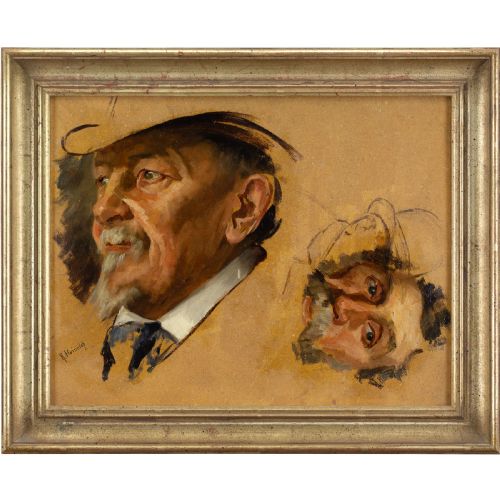
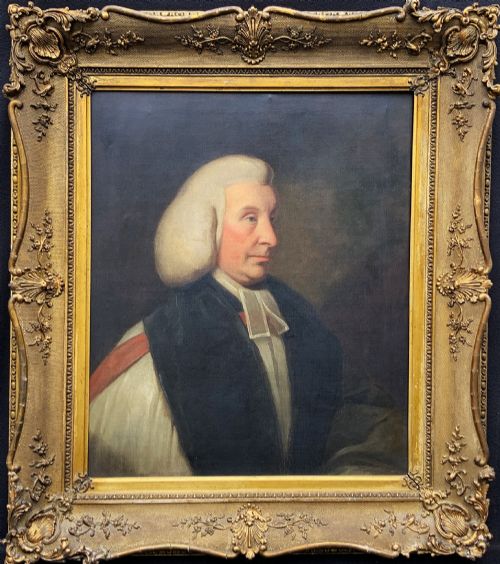
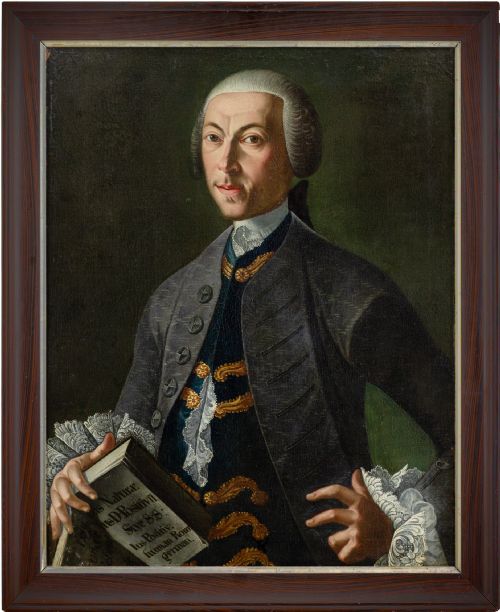
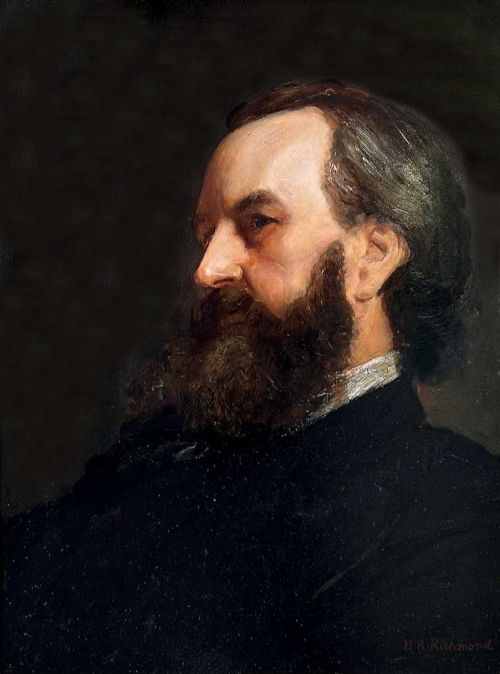
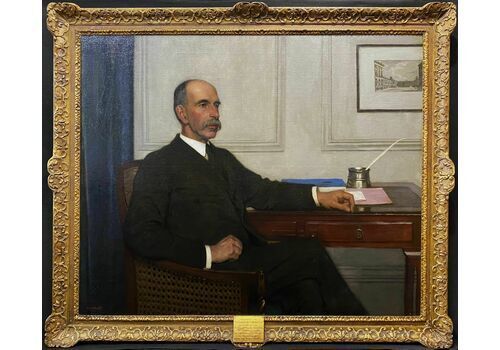
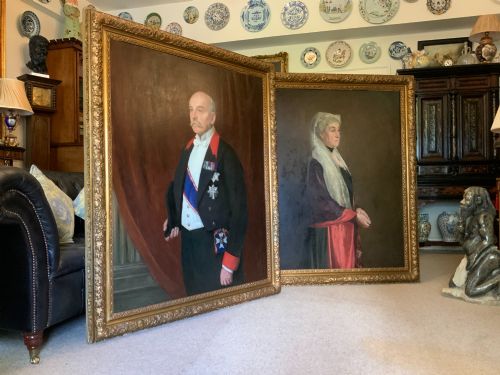
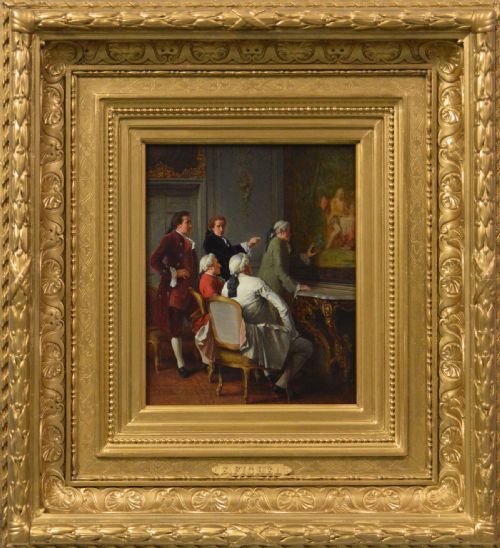
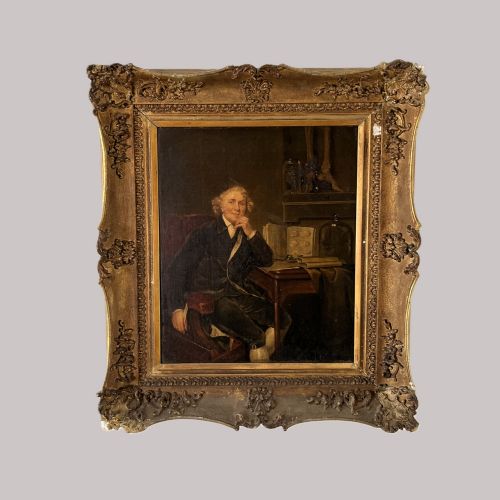
An academic gentleman oil painting captures learned figures, clergymen, physicians, and intellectuals through formal portraiture and historical genre scenes. These works originate from the eighteenth, nineteenth, and early twentieth centuries, reflecting the rigorous training of academic painters.
The pieces on this page span Georgian, Victorian, and Edwardian periods, frequently executed in oils on canvas or panel. Portrait paintings of specific named individuals sit alongside historical genre scenes involving groups of gentlemen.
Subjects range from geologists and writers to militia members and musicians, painted with careful attention to character and costume. Such works carry the distinct weight of historical record alongside artistic skill.
Materials and technique
Artists built these works using oil paint applied to prepared canvas or wooden panels, allowing for subtle tonal shifts and deep glazing. The handling of pigment reflects academic studio practices of the period, prioritising precise draughtsmanship and lifelike rendering.
Many works retain their original frames constructed from wood with gesso and giltwood ornamentation. These heavy gilt surrounds were designed to complement the formal dark tones typical of academic portraiture.
The listings span the eighteenth to the twentieth centuries, utilising canvas, panel, and giltwood materials.
Judging quality
Quality rests in the precision of facial modeling and the psychological depth the artist achieves within the portrait. Master painters captured individual likeness and character with greater economy and fluency than routine studio hands.
The handling of surrounding fabrics, hands, and background elements distinguishes superior canvases. Finer examples display confident brushwork in every corner rather than relying solely on a rendered face.
William Blake Richmond·Harold Knight·Benjamin Eugene Fichel·Ferdinand Victor Leon Roybet·Frederick Goodall·Lance Calkin·William Robert Dickinson·George Hayter·Willem Johannes Martens·Marcel Brunery·Arthur Spooner·Henry William Pickersgill·Adolphe Alexandre Lesrel·Rudolph Lehmann·Cowan Dobson·Frank Thomas Copnall·William Dring·William Biscombe Gardner·Edward Penny·Adrian Bury·Frank Samuel Eastman
The Academic Gentleman Oil Painting Glossary
- Academic
- Pertaining to the formal rules and rigorous training established by European art academies. This approach emphasised classical draughtsmanship, historical subjects, and anatomical accuracy.
- Genre painting
- The pictorial representation of scenes from everyday life involving ordinary people. In these listings, such scenes frequently feature gentlemen engaged in pastimes or study.
- Giltwood
- Wood that has been covered with a thin layer of gold leaf. Frames made this way often feature moulded gesso details.
- Panel
- A rigid support for painting, usually made of wood. Panels provided a smooth, stable surface favoured by artists prior to the widespread adoption of canvas.
- Provenance
- The documented history of ownership of an artwork. A clear provenance helps establish authenticity and historical context.
Academic Gentleman Oil Painting: Frequently Asked Questions
What is an academic gentleman oil painting?
These works are formal portraits and historical scenes depicting learned men, scholars, and professionals. They reflect the strict technical standards of nineteenth-century European art academies.
Subjects typically include scientists, clergymen, and writers rendered in realistic detail.
How were these portraits displayed originally?
Original owners hung these paintings in libraries, institutional halls, and formal drawing rooms. They served to commemorate personal achievement or signal intellectual standing.
The heavy gilt frames were chosen to project status and authority within domestic or public interiors.
How do I identify the period of a portrait?
Costume, hair styling, and framing styles offer primary clues to a painting's date. Gentlemen's attire shifted distinctly from eighteenth-century powdered wigs and waistcoats to Victorian frock coats.
Signatures, dates inscribed on the canvas reverse, and biographical details of named sitters narrow the timeline further.
How should I care for an oil painting on canvas?
Keep paintings away from direct sunlight, high humidity, and rapid temperature fluctuations to prevent canvas slackening and paint cracking. Dust the surface gently with a soft, dry brush without applying pressure.
Avoid using water or chemical cleaners on the paint surface or antique gilt frame.