



Regency Portrait Locket
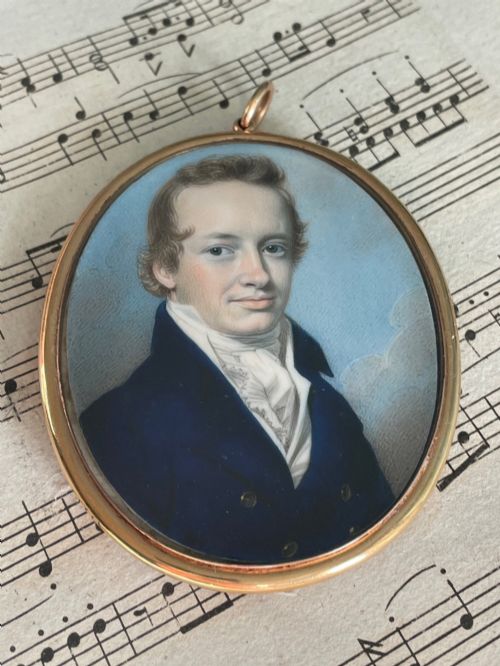
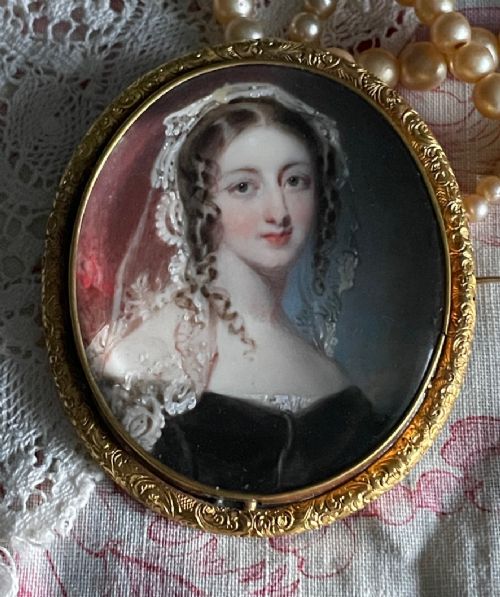
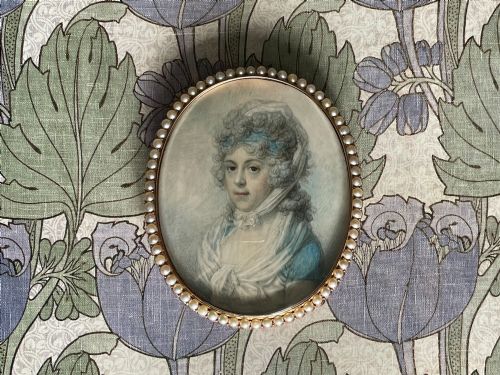
These regency portrait locket pieces are hand-painted likenesses set into gold, gilt metal or pearl frames to be worn close.
Regency Portrait Locket
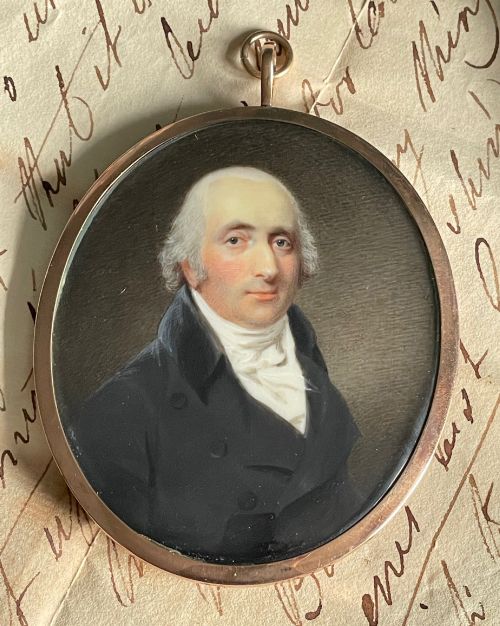
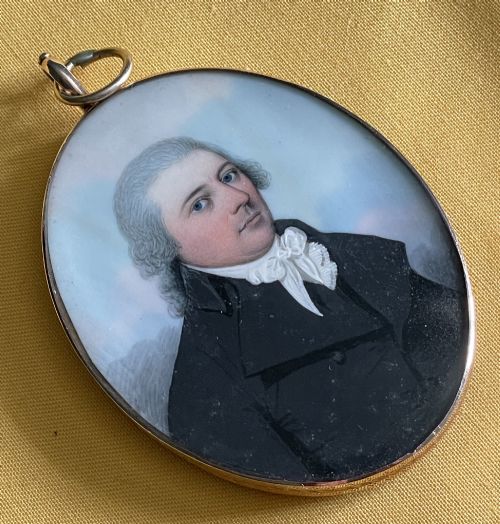
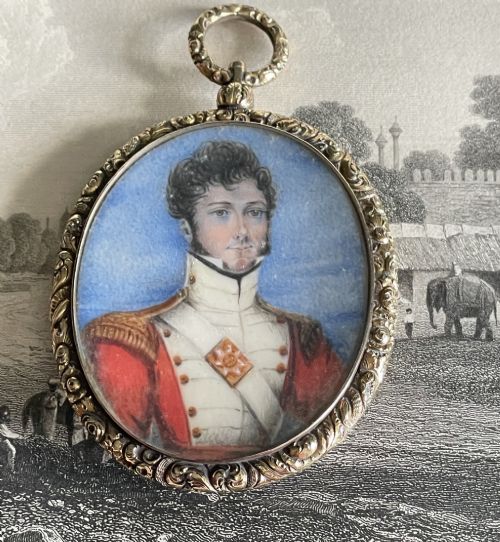
A regency portrait locket is a miniature painting executed by hand, capturing the likeness of an officer, a gentleman, or a lady in fine detail. These pieces originate predominantly from the Georgian and Regency periods, spanning the late eighteenth and early nineteenth centuries.
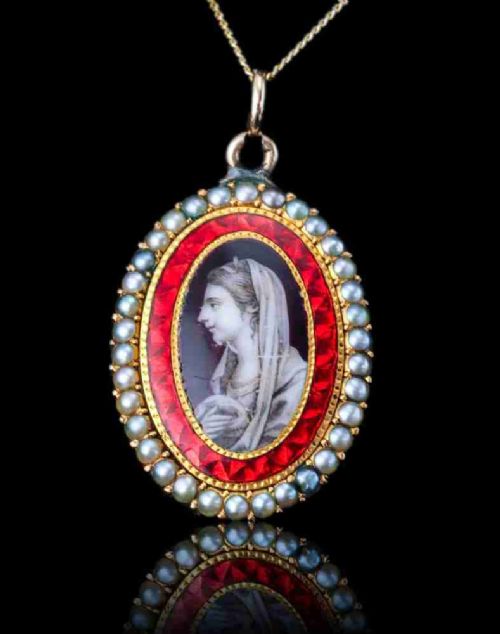
The format varies from simple pendant necklaces housed in nine-carat gold to framed miniatures accented with pearl settings or coral beads. Makers ranged from prominent miniaturists to provincial artists working on ivory or paper.
Collectors encounter works attributed to known painters alongside unsigned miniatures depicting unknown sitters in contemporary costume. The predominant styles reflect the portraiture conventions of the Georgian and Regency eras.
How they were made
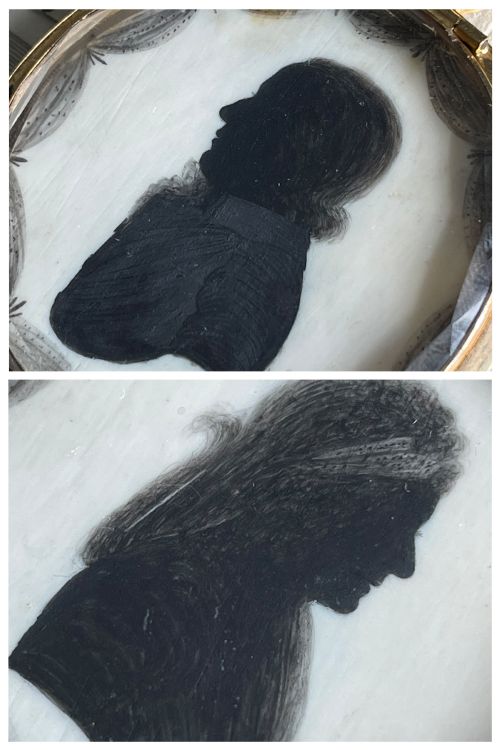
The finished paintings were then mounted behind glass and secured within frames fashioned from gold, nine-carat gold, or gilt metal. Many pieces incorporated pearl settings or woven hair compartments at the reverse.
Regency Portrait Locket Retail Price Guide 2026
Typical asking prices for regency portrait locket among the pieces listed under this phrase on Sellingantiques today, from the lower quarter to the upper quarter. They describe what is for sale here now, not the wider market.
Listings feature works spanning the Georgian, Regency, and nineteenth-century periods, utilising gold, gilt metal, ivory, and pearl.
What varies in quality
Quality rests primarily on the skill of the brushwork and the psychological depth captured in the sitter's expression. Master miniaturists achieved remarkable lifelike texture in skin tones and garments, whereas lesser hands produced stiff or formulaic likenesses.
The mounting also distinguishes the piece, with heavier gold frames and intact pearl borders representing higher craftsmanship than simple gilt metal surrounds.
William Wood·Richard Cosway·John C D Engleheart·Frederick Buck·Nicolas Freese·Emma Kendrick·Henry Jacob Burch·George Engleheart·John Inigo Wright·Edward Pugh·Isaac Wane Slater·AE Chalon
The Regency Portrait Locket Glossary
- Miniature painting
- A small-scale portrait executed with fine brushes on ivory, vellum, or paper. These works required extraordinary patience and steady hands.
- Gilt metal
- A base metal coated with a thin layer of gold or gold-coloured wash. It offered an accessible alternative to solid gold frames.
- Watercolour on ivory
- A primary medium for portrait miniatures where the translucent quality of ivory lent a natural luminosity to skin tones. Artists applied delicate washes of pigment directly to the polished surface.
- Pearl set
- A frame or mount decorated with small seed pearls arranged around the border. This ornamentation was typical of mourning and commemorative jewellery of the period.
Regency Portrait Locket: Frequently Asked Questions
How were portrait miniatures worn?
Owners wore them suspended from chains or ribbons as pendant necklaces close to the heart. Some designs doubled as brooches or stood on small easels.
The metal frames often included a glazed compartment on the reverse side designed to hold a lock of braided hair.
Are the sitters usually identified?
Many portrait miniatures retain inscriptions on the reverse or accompanying paperwork naming the sitter and occasionally the artist. Officers, landed gentry, and society ladies are frequently identified.
However, a significant number of miniatures depict unknown sitters whose names were lost over the centuries.
How do I care for ivory miniatures?
Ivory miniatures require stable environmental conditions away from direct sunlight and high humidity. Fluctuating temperatures can cause the delicate ivory substrate to warp or crack.
Keep them behind their original glass protection and avoid using any liquid cleaners on the painted surface.