
Regency Portrait Artwork
Regency portrait artwork captures the distinct character of sitters through oils, watercolours, and delicate silhouettes from the early nineteenth century.
Regency Portrait Artwork
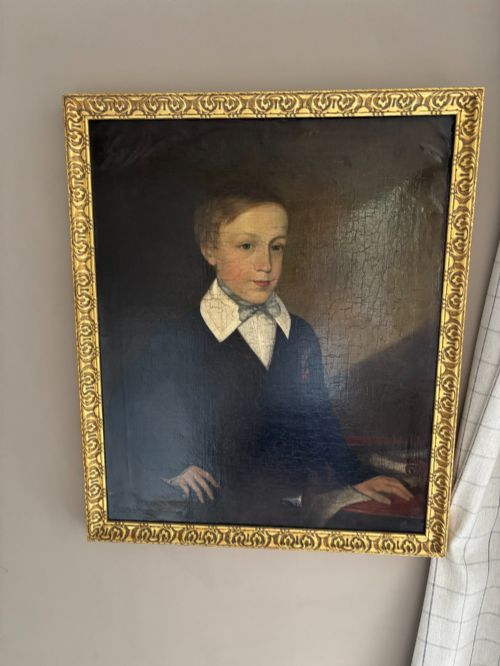
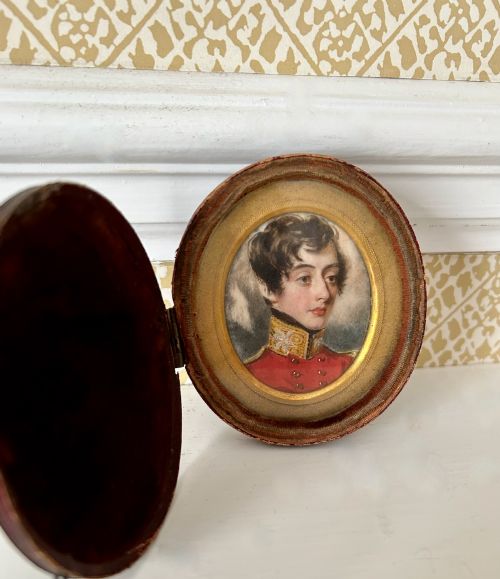
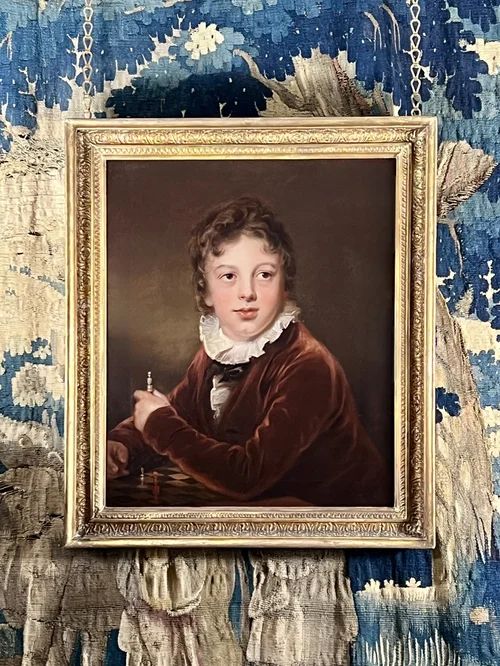
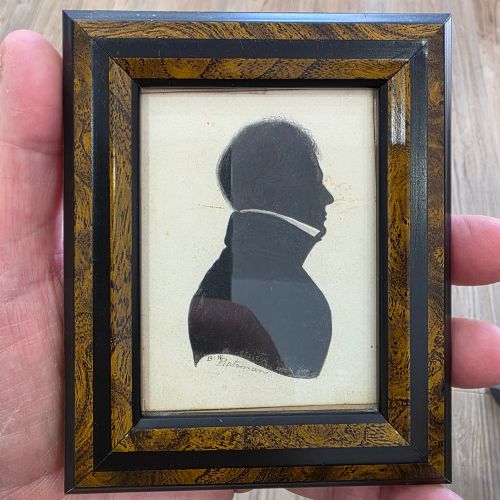
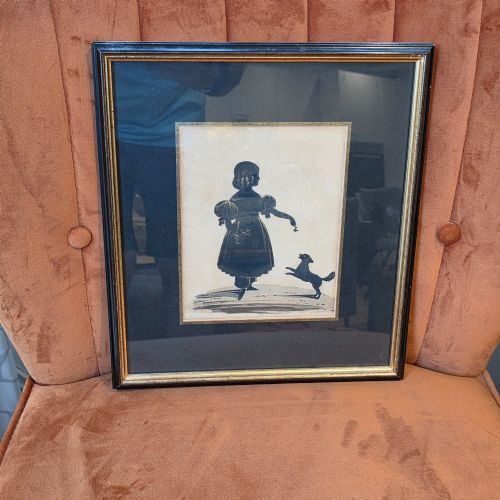
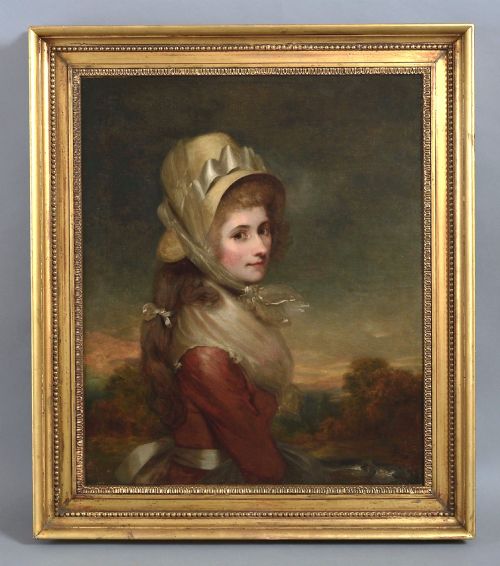
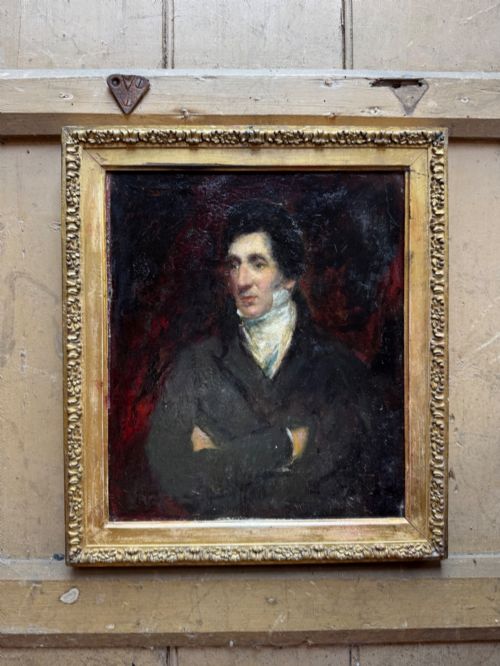
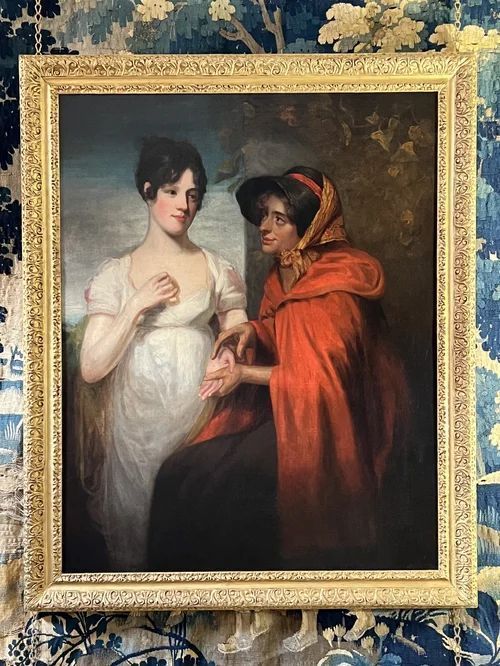
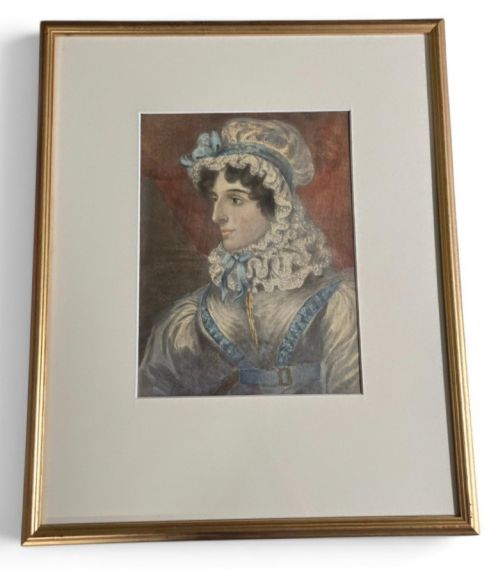
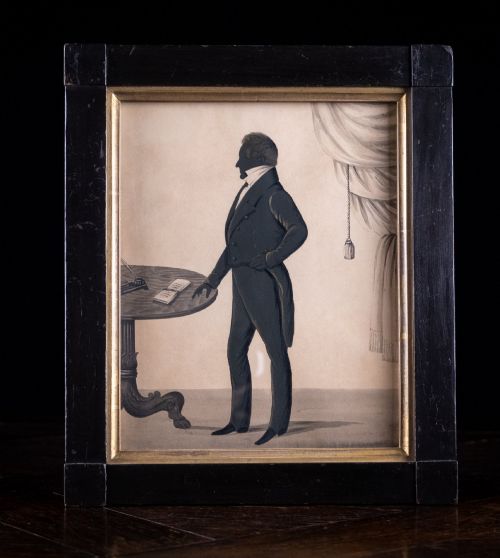
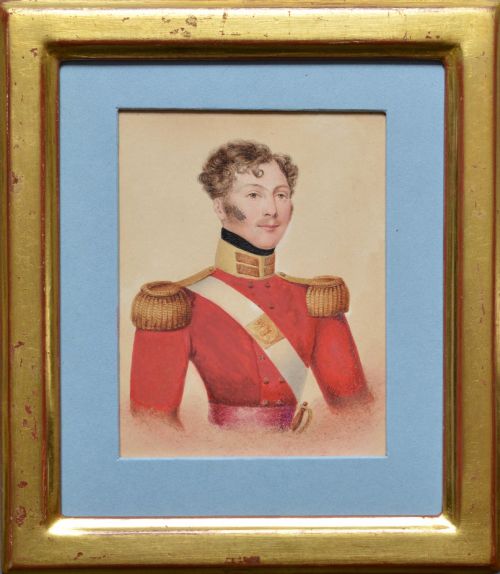
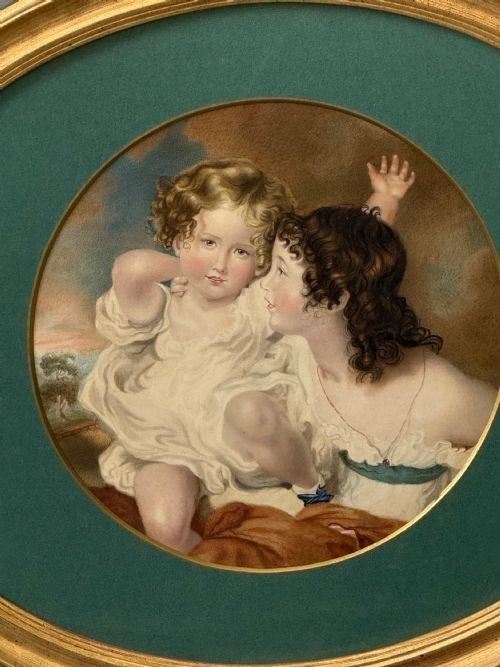
Regency portrait artwork comprises oil paintings, watercolours, and silhouette profiles originating primarily from the late eighteenth and nineteenth centuries. These pieces reflect Georgian, Regency, and early Victorian aesthetic sensibilities, documenting sitters ranging from military officers to children.
The most common formats on this page are framed oil paintings on canvas and panel alongside detailed watercolours and cut paper silhouettes. Works span styles from Neoclassical portraiture to nineteenth-century realism, often framed in period wood and giltwood.
Materials and Technique
Artists worked primarily with oil on canvas or panel, applying pigments to capture the likeness and attire of their subjects. Watercolour on paper and graphite drawings served as popular mediums for intimate likenesses and preparatory studies.
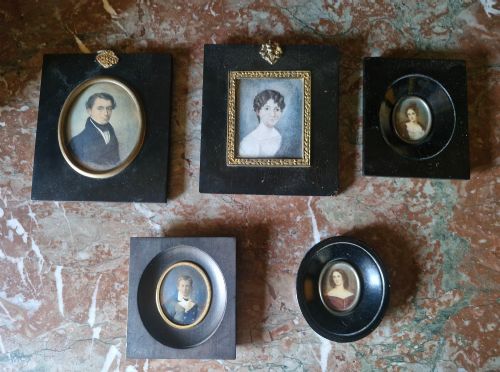
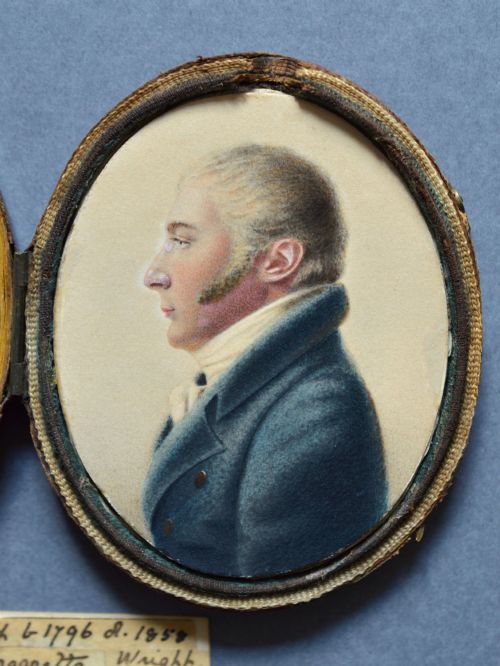
Silhouettes utilise cut paper, painted card, and enamel, sometimes enhanced with gold leaf and delicate watercolours. Frames incorporate glass, rosewood, and giltwood to protect and present the artwork.
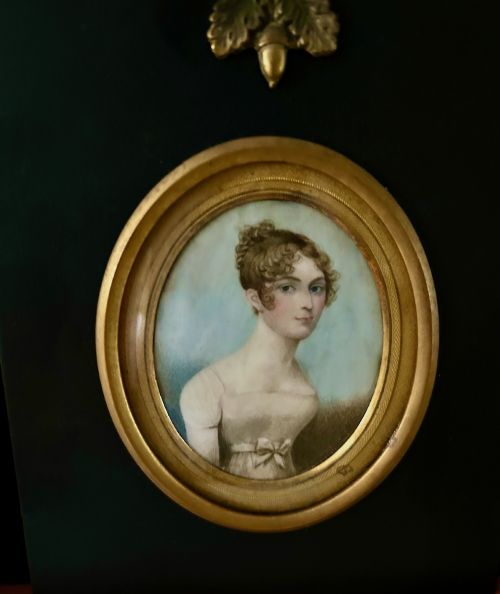
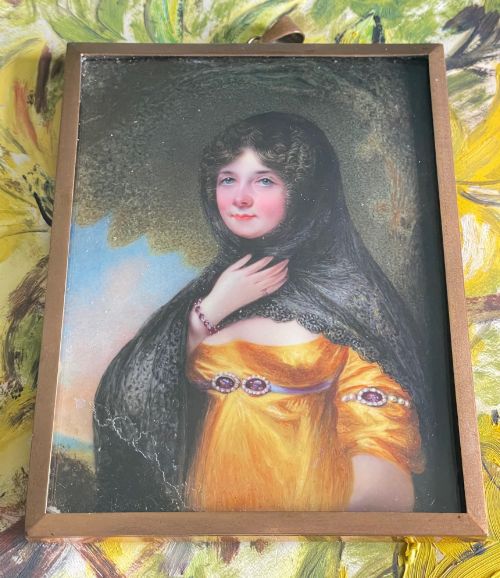
The selection includes genre paintings, portrait miniatures, framed artwork, and detailed silhouette profiles.
Execution and Detail
Quality rests in the precision of the draughtsmanship and the psychological depth conveyed in the sitter's expression. Masterful handling of light, shadow, and fabric texture elevates a work above standard commercial portraiture.
The preservation of the original medium, whether unblemished oil paint or crisp paper silhouettes with intact gold leaf, dictates the standing of the piece. Period framing also contributes to the integrity of the object.
William James Hubard·Joseph Clover·Sir Martin Archer Shee·John Opie·Horace Hone·Sir Thomas Lawrence·Samuel De Wilde·Augustin Edouart·Sir William Beechey·Margaret Sarah Carpenter·John Russell·George Watson·William Jones of Bath·Adam Buck
The Regency Portrait Artwork Glossary
- Silhouette
- A profile portrait filled in with a dark solid colour, most commonly cut from paper or painted on card. These pieces rely entirely on outline and subtle highlights for recognition.
- Panel
- A rigid support for oil painting, typically made from wood. Artists utilised panels frequently before canvas became universally dominant.
- Giltwood
- Wood that has been covered with a thin layer of gold leaf or gold paint. Frames created with this technique surround many period works.
- Provenance
- The documented history of ownership of an artwork. Clear records help confirm attribution and authenticity.
- Enamel
- A glassy substance fused to a metal surface through firing. Horace Hone and other practitioners utilised this technique for miniature portraits.
Regency Portrait Artwork: Frequently Asked Questions
What subjects appear in these portraits?
Sitters include military officers, children, ladies, gentlemen, and actors in character.
Artists recorded the likenesses of family groups and individuals using oil, watercolour, and silhouette techniques.
How do I distinguish Regency styles?
Regency pieces often display Neoclassical influences with restrained palettes and direct gazes from the sitters.
Later Victorian examples introduce different costume details and narrative elements into the composition.
Are these works original period pieces?
The listings feature original nineteenth-century works alongside period watercolours and contemporary engravings.
Mediums such as oil on canvas and cut paper confirm the historical execution of the art.