


Regency Period Writing Desk
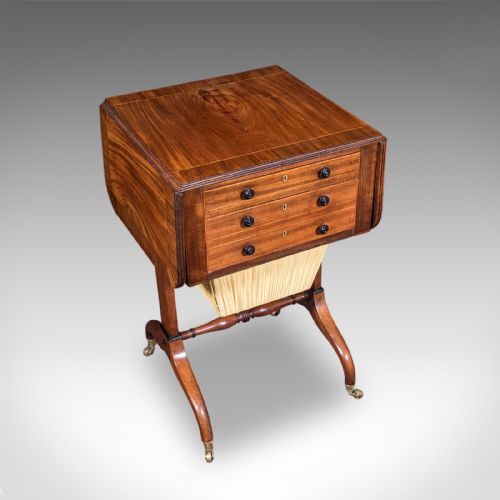
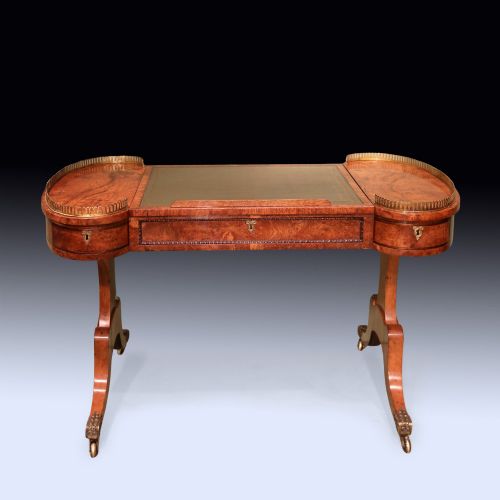
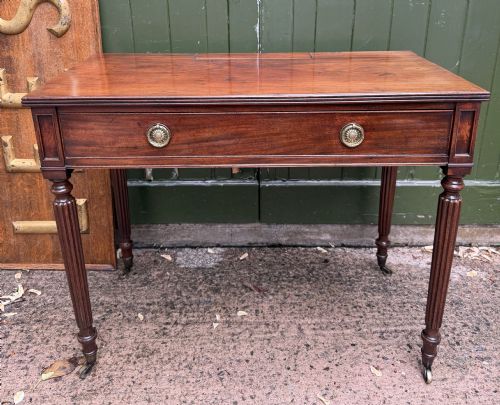
A regency period writing desk brings together the rich timbers and clean classical lines characteristic of early nineteenth century British design.
Regency Period Writing Desk
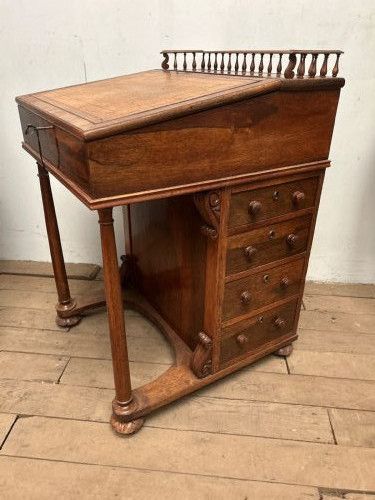
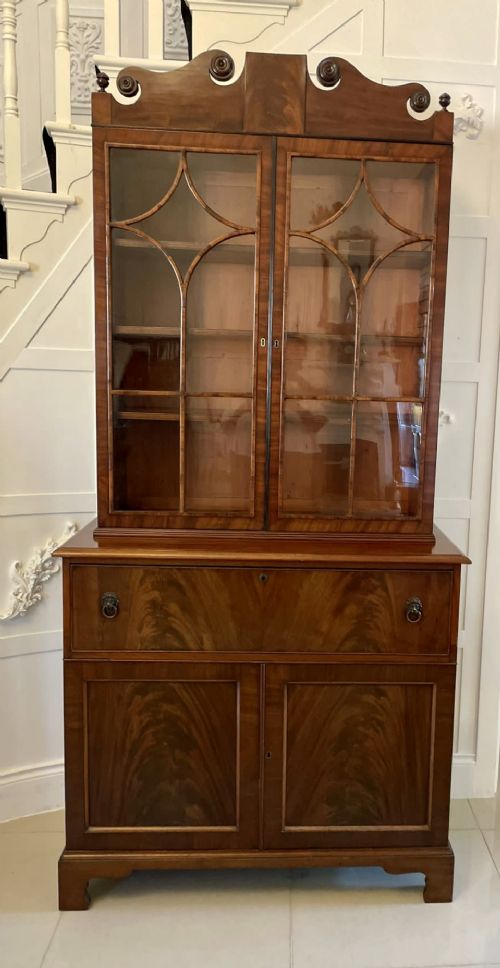
A regency period writing desk encompasses a variety of forms designed for correspondence and study, including Davenport desks, library tables, and secretaire bookcases.
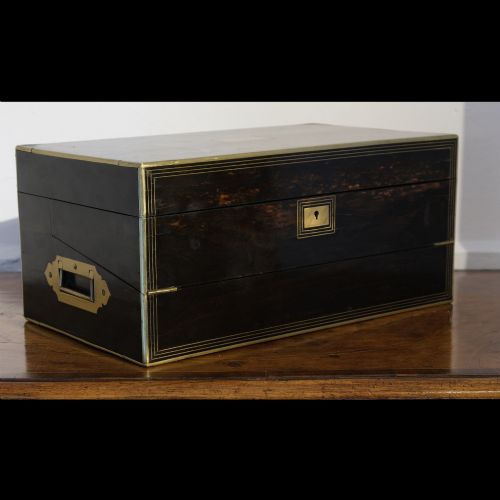
Mahogany and rosewood dominate the pieces on offer, frequently supplemented by burr oak, pine, and exotic veneers such as coromandel.
Most examples date from the early nineteenth century within the Regency, George IV, and William IV periods, reflecting the classical aesthetic of the era.
How They Were Made
Cabinet makers utilised dense native and imported timbers, pairing solid mahogany and oak carcases with decorative rosewood and burr oak veneers.
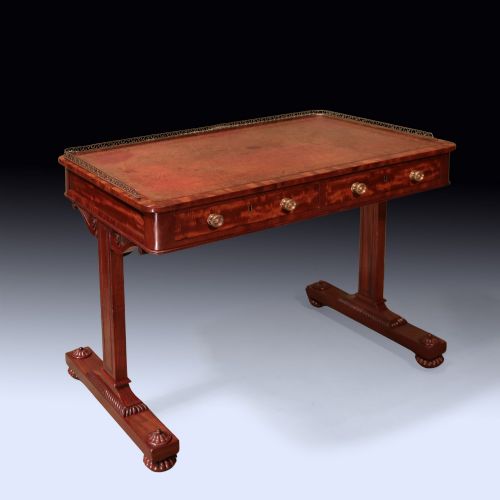
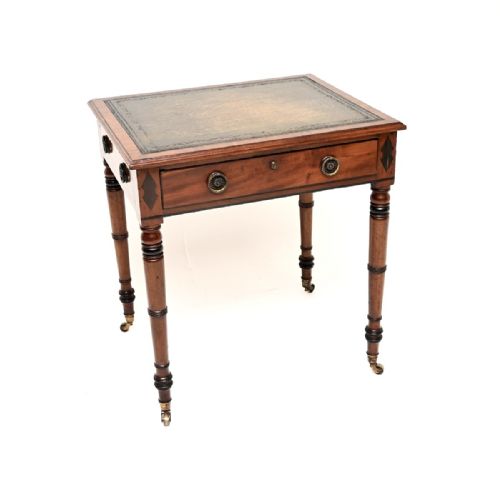
Brass inlay, mounts, and stringing frequently accent the primary woods, while writing surfaces are traditionally lined with tooled leather.
Construction techniques combine traditional joinery with specialised mechanisms found in metamorphic tables, drum tops, and secretaire drawers.
The selection includes various forms such as drum tables, Davenport desks, and metamorphic architect tables.
What Varies in Quality
The choice and figuring of the timber dictate the visual impact of a piece, with well matched rosewood or burr oak sitting at the upper end of the scale.
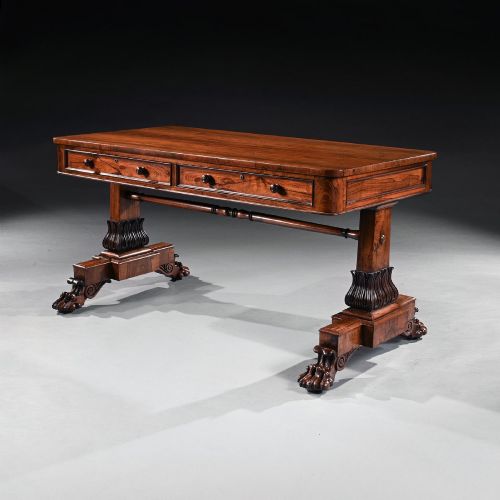
The integration of secondary materials, such as finely cast brass mounts and crisp carved details like lion paw feet, separates standard items from the finest productions.
Structural refinement, including the smoothness of mechanical drawers and the integrity of original leather inserts, defines the standard of craftsmanship.
Gillows of Lancaster·Jean-Joseph Chapuis·John MaClean
The Regency Period Writing Desk Glossary
- Davenport desk
- A compact small desk featuring a sloping writing surface above a bank of side drawers. It typically includes a small compartment on top for stationery.
- Secretaire bookcase
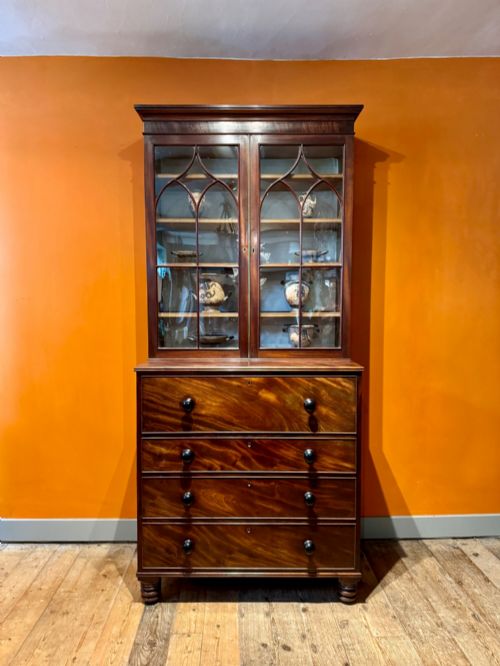
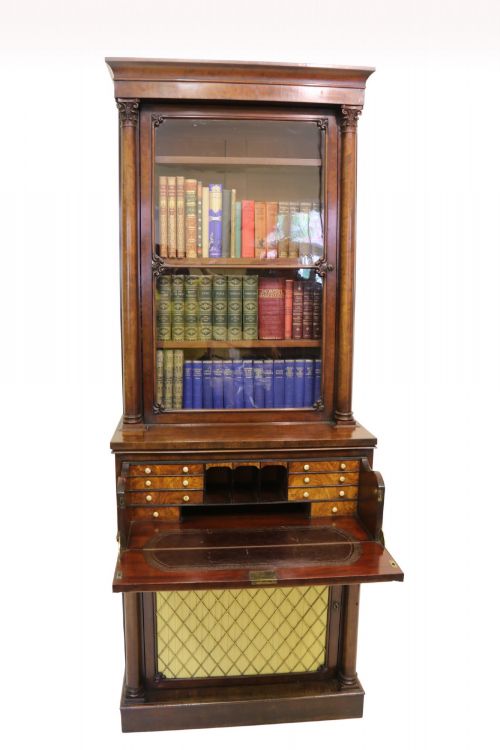
- A tall cabinet combining upper shelving behind doors with a central pull out writing drawer that conceals smaller compartments. This form conceals functional workspace within a formal architectural facade.
- Sofa table
- A rectangular occasional table designed to stand in front of a sofa, featuring drop leaves at either end. These tables often incorporate double pedestals or lyre shaped supports.
- Pounce pot
- A small perforated container used to sprinkle sand over fresh ink to hasten drying. They appear alongside desk accessories of the period.
Regency Period Writing Desk: Frequently Asked Questions
What defines a regency period writing desk?
These pieces date from the early nineteenth century and typically display classical proportions, dark figured woods, and restrained brass or veneer decoration.
They range from compact Davenport desks and writing boxes to large library tables and partners desks designed for formal rooms.
How do I identify a secretaire bookcase?
A secretaire bookcase combines an upper bookcase section with a lower chest or cabinet that houses a drop down writing drawer fitted with internal pigeonholes.
This multifunctional form allowed owners to store books and manage correspondence within a single piece of furniture.
Where were these desks placed in a home?
Library tables and partners desks stood centrally in studies or libraries, finished on all sides for independent use.
Smaller pieces like writing slopes and Davenport desks sat near windows or in private drawing rooms for letter writing.
What is a sofa table used for?
Sofa tables served as versatile occasional tables positioned behind settees or in the centre of rooms with their leaves extended.
In period interiors, their drop leaves and drawer space accommodated light writing tasks as well as sewing and reading.