

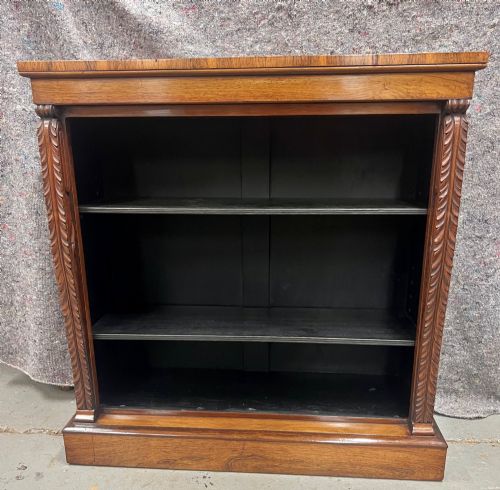


Regency Period Shelves
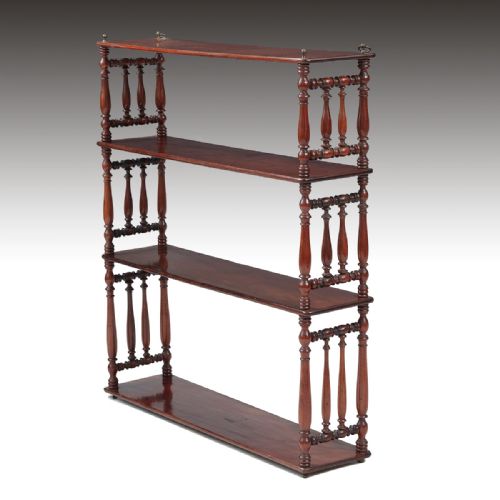
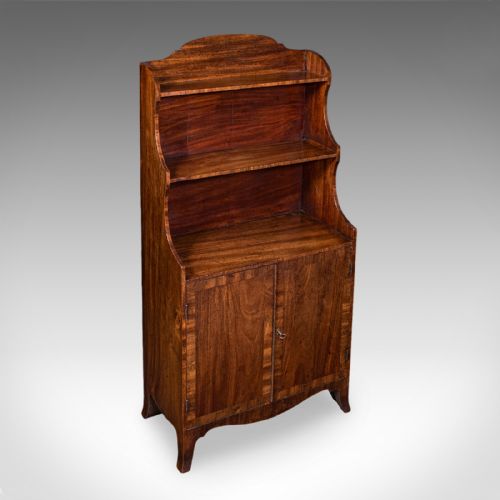
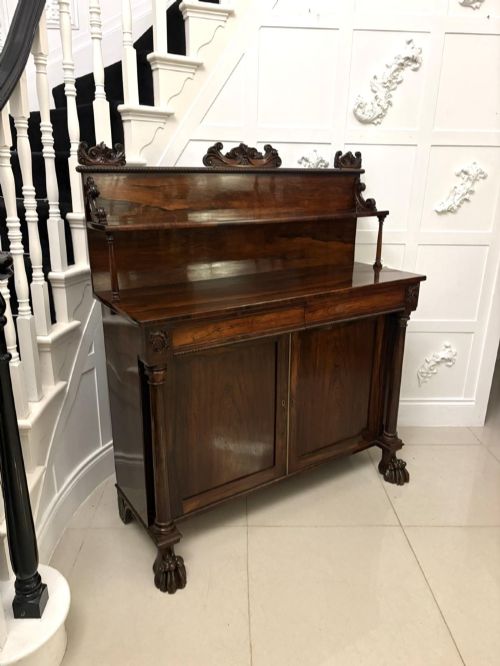
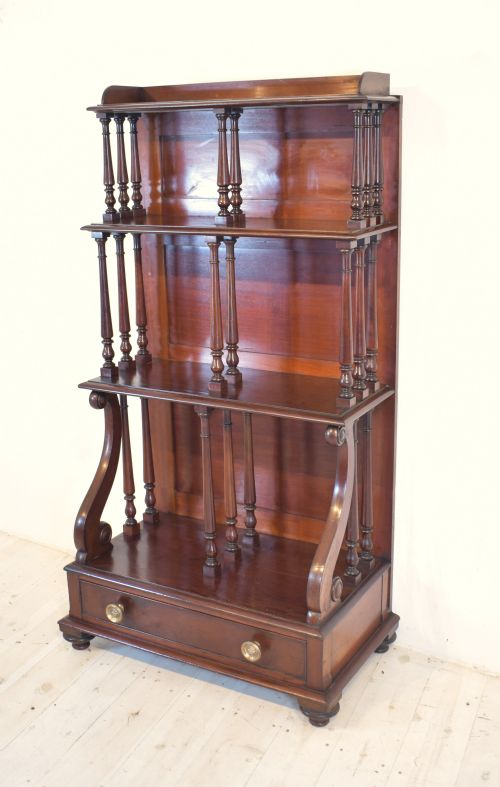
Regency period shelves bring architectural proportion and warm timber grain into a room, spanning open bookshelves, tiered what-nots, and shelved chiffoniers.
Regency Period Shelves
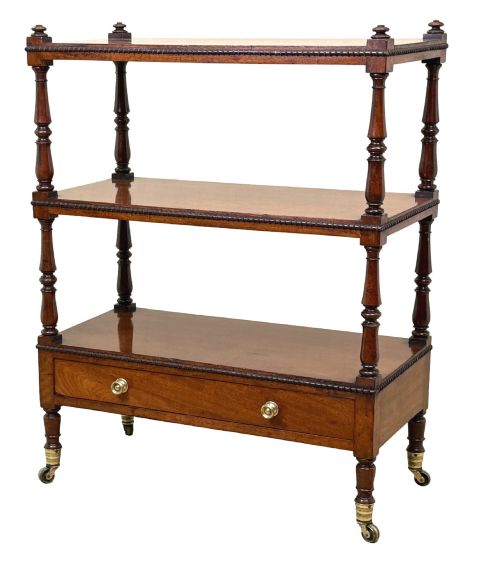
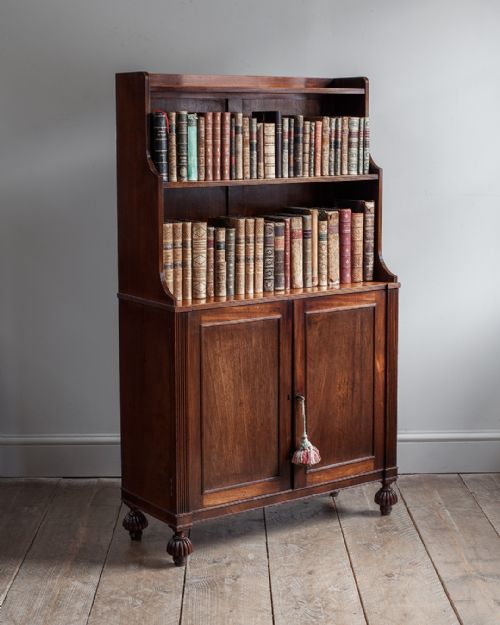
When you search for regency period shelves, you encounter several distinct forms designed for storage and display. The selection ranges from open bookcases and hanging wall shelves to tiered what-nots and shelved chiffoniers. These pieces date principally from the Regency, George IV, and William IV eras, though nineteenth-century interpretations also appear.
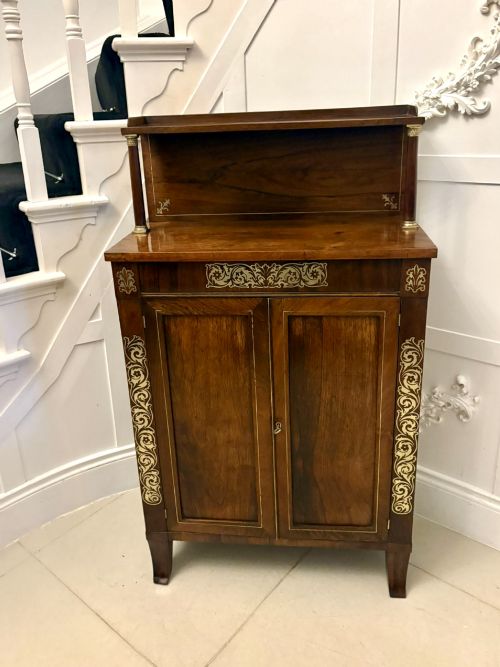
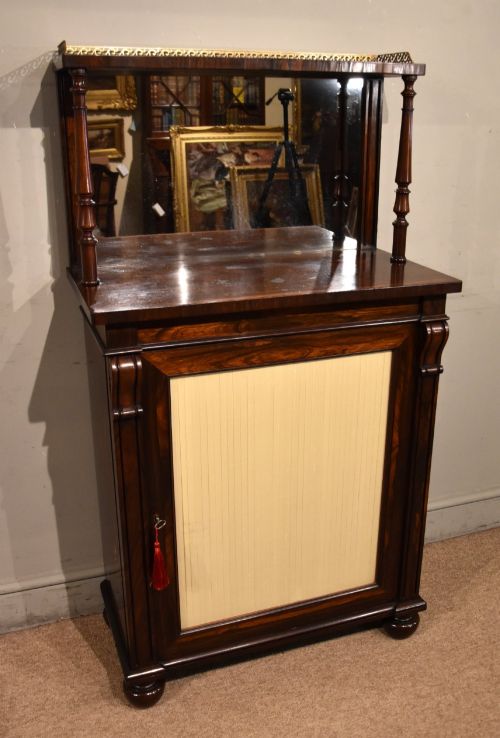
The most common formats on this page are mahogany and rosewood bookcases alongside multi-tiered what-nots. You also find side cabinets and chiffoniers incorporating upper display shelves supported by columns or spindles. Dimensions vary from petite hanging shelves to large breakfront floor bookcases.
Materials and construction
Cabinetmakers of the period relied heavily on solid mahogany, flame mahogany veneer, and richly figured rosewood. Timbers were selected for distinct grain patterns, occasionally complemented by satinwood or exotic woods. Surfaces frequently display polished finishes that highlight the natural warmth of the wood.
Detailing often includes cast brass inlay, Ormolu mounts, and glass panels set into cabinet doors. Structural elements like hanging shelves utilise sturdy wall fixings, while floor-standing what-nots and etageres rely on graduated tiers supported by turned columns.
Regency Period Shelves Retail Price Guide 2026
Typical asking prices for regency period shelves among the pieces listed under this phrase on Sellingantiques today, from the lower quarter to the upper quarter. They describe what is for sale here now, not the wider market.
The furniture spans multiple nineteenth-century design phases, encompassing George IV, William IV, and classical Regency styles.
Assessing quality and proportion
Quality in these pieces rests upon the crispness of the timber selection and the restraint of the decoration. Superior examples display perfectly matched veneers and precise brass inlay without awkward joints or clumsy proportions. Scale is particularly important; smaller, more diminutive bookcases and chiffoniers often show greater refinement.
Makers of the highest standing, such as those working in the manner of Gillows, demonstrated exceptional joinery in the turning of upright supports and the fitting of graduated shelves. Poorer quality pieces might use heavier, uninspired timbers with sluggish grain and coarser brass work.
Gillows
The Regency Period Shelves Glossary
- Waterfall bookcase
- A tiered open bookcase where each successive shelf steps back from the one below it. This creates a cascading profile popular during the Regency period.
- What-not
- A multi-tiered piece of freestanding furniture designed for displaying ornaments, books, or writing materials. They typically feature three or more open shelves supported by slender columns.
- Chiffonier
- A low sideboard cabinet featuring one or more enclosed cupboards beneath, often surmounted by open display shelving supported on brass or wooden pillars.
- Etagere
- A set of open shelves used for displaying small objects or ornaments. The term is frequently used interchangeably with what-not in nineteenth-century inventories.
- Breakfront
- A piece of furniture whose central section projects forward from the flanking wings. This architectural arrangement adds depth and shadow to bookcases and side cabinets.
Regency Period Shelves: Frequently Asked Questions
How do I mount hanging shelves?
Hanging shelves require secure fixing to solid wall studs or masonry using appropriate brackets suited to the weight of dense mahogany or rosewood.
Because antique timbers are heavy, professional installation ensures the piece remains stable and safe on the wall.
Where were what-nots used?
What-nots served as versatile display stands in drawing rooms, sitting rooms, and libraries for books and ornaments.
Their compact footprints allowed them to fit easily into corners or between windows without crowding the room.
How do I clean rosewood surfaces?
Dust rosewood furniture regularly with a soft, dry lint-free cloth to prevent particulate accumulation on the polished finish.
Avoid silicone sprays or abrasive cleaners, applying a traditional beeswax sparingly only when the timber appears dry.