





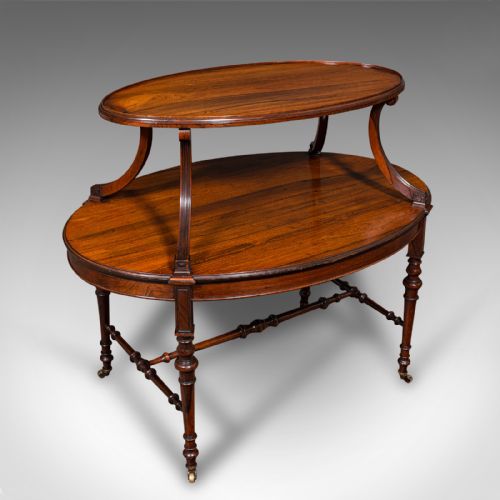


Regency Period Serving Table
A regency period serving table is a substantial architectural piece designed for formal dining rooms, built from rich timbers to anchor a grand interior.
Regency Period Serving Table
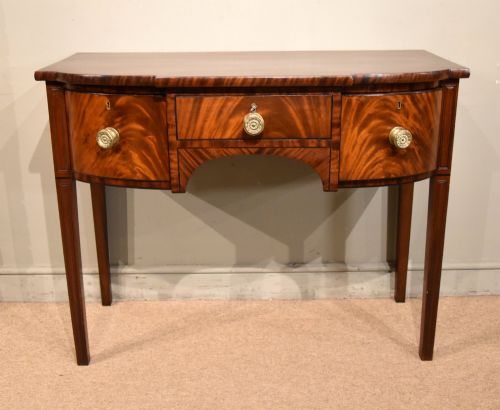
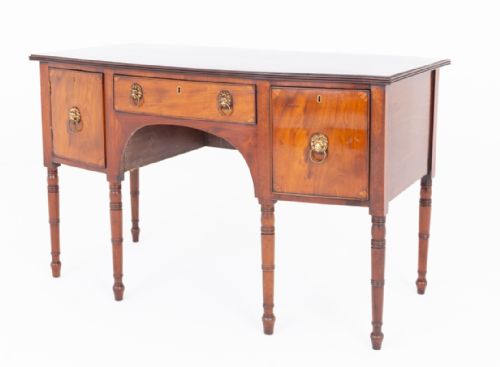
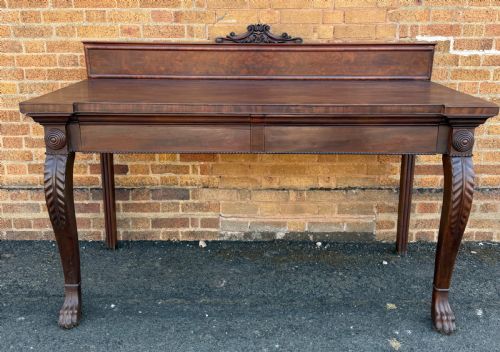
A regency period serving table embodies the formal dining arrangements of the early nineteenth century, typically presenting as a long, low console designed to stand against a dining room wall. These pieces emerge primarily from the Regency, George III, George IV, and broader nineteenth-century periods, often crossing stylistic boundaries into Irish Regency or William IV variants.
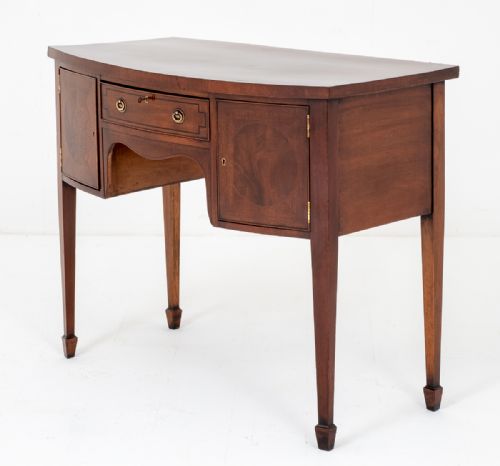
The most common form on this page is the solid mahogany serving table, frequently enhanced with flame mahogany veneer or rosewood and sometimes featuring multi-tiered formats such as buffets or dumb waiters. Alongside traditional tables, buyers encounter related dining accessories including sideboards, console tables, serving dishes, and trays in silver, porcelain, and papier-mâché.
How they were made
Cabinet makers constructed these tables predominantly from solid mahogany and flame mahogany veneer, applying painstaking joinery to achieve imposing scales and bold designs. Finer examples incorporate contrasting details such as ebony inlay or subtle gilding with gold leaf.
Secondary materials found across the wider serving assortment include sterling silver, brass hardware, velvet linings, and transfer-printed pottery. Finishing relied on hand-rubbed polishing to bring out the natural figure and deep patina of the dense hardwoods.
Regency Period Serving Table Retail Price Guide 2026
Typical asking prices for regency period serving table among the pieces listed under this phrase on Sellingantiques today, from the lower quarter to the upper quarter. They describe what is for sale here now, not the wider market.
Early nineteenth-century dining occasionally required a papier-mâché tray strong enough to carry heavy porcelain without bowing.
What varies in quality
Quality in a regency period serving table is determined by the select choice of timber and the dexterity of the cabinet maker in handling flame mahogany veneers and intricate brass or ebony details. Tables exhibiting bolder proportions, crisper carved motifs, and sophisticated multi-tiered formats stand apart from simpler domestic counterparts.
Attribution to notable workshops or specific regional origins, such as Irish interpretations or pieces linked to prominent makers, elevates the standing of a table. The preservation of original surface patination and the integrity of secondary timbers further distinguish exceptional examples from standard production.
Mack Williams and Gibton·Jennens and Bettridge·Gillows
The Regency Period Serving Table Glossary
- Flame mahogany
- A veneer cut from the fork of the mahogany tree to produce a distinctive, flamy, highly figured grain pattern. It was widely utilised on prominent surfaces of Regency case furniture.
- Console table
- A table designed to be fixed against a wall, frequently supported by front legs or brackets while relying on the wall for stability. In dining contexts, it often served the same function as a dedicated serving table.
- Dumb waiter
- A multi-tiered freestanding piece of dining room furniture featuring revolving or stationary trays. It allowed diners to help themselves without the presence of servants.
- Papier-mâché
- A composite material made from paper pulp or layers of paper mixed with glue, then moulded and lacquered. It formed a durable base for serving trays decorated with hand-painted scenes or gilding.
Regency Period Serving Table: Frequently Asked Questions
What is a regency period serving table used for?
These tables served as auxiliary surfaces in formal dining rooms during the early nineteenth century, holding heavy platters, tureens, and ceramics before they were brought to the main table.
In modern interiors, they function effectively as console tables in hallways or as sophisticated sideboards in contemporary dining spaces.
How do I identify a Regency table?
Regency pieces typically date from the early nineteenth century and display classical architectural influences, bold proportions, and dark dense timbers like mahogany and rosewood.
Look for specific design signatures such as reeded legs, brass mounts, flame veneer panels, and an absence of heavy Victorian ornamentation.
Are these tables suitable for everyday use?
Solid mahogany and robust construction make these serving tables structurally sound for contemporary living, provided they receive sensible care and protection from excessive moisture.
Their generous top surfaces make them practical for displaying objects or serving food during gatherings.
What is the difference between a serving table and a sideboard?
A serving table is generally an open-framed console piece with legs and occasionally tiers beneath, designed strictly for holding dishes.
A sideboard often incorporates enclosed cupboards and drawers beneath the main surface for storing cutlery and table linen.