
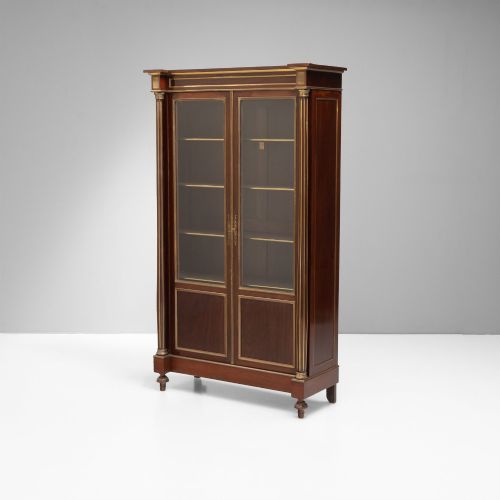

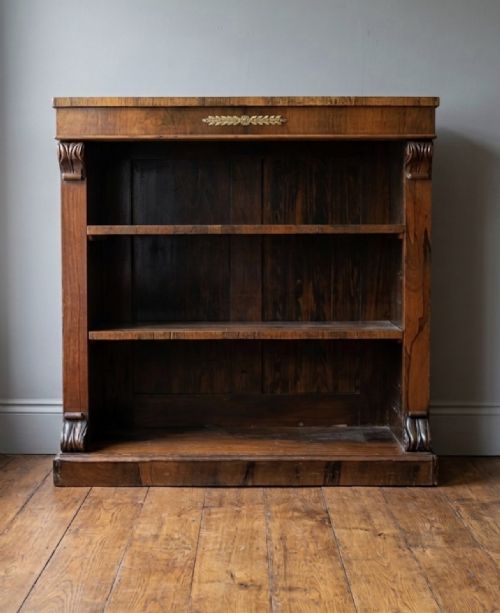
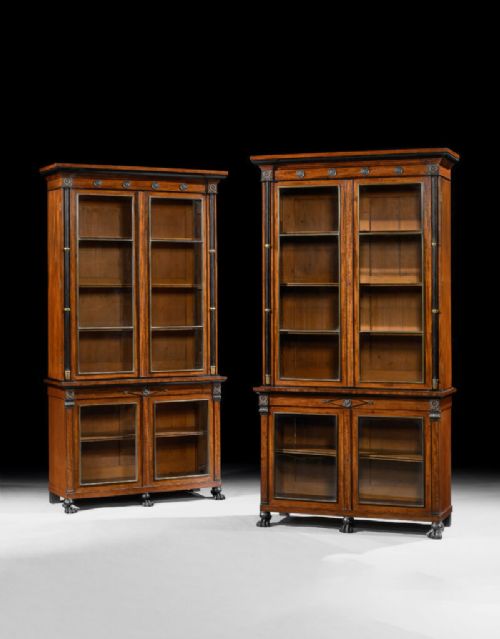
Regency Mounted Cabinet
A regency mounted cabinet brings architectural grace and rich timbers to a room, offering refined storage with distinctive metal mounts.
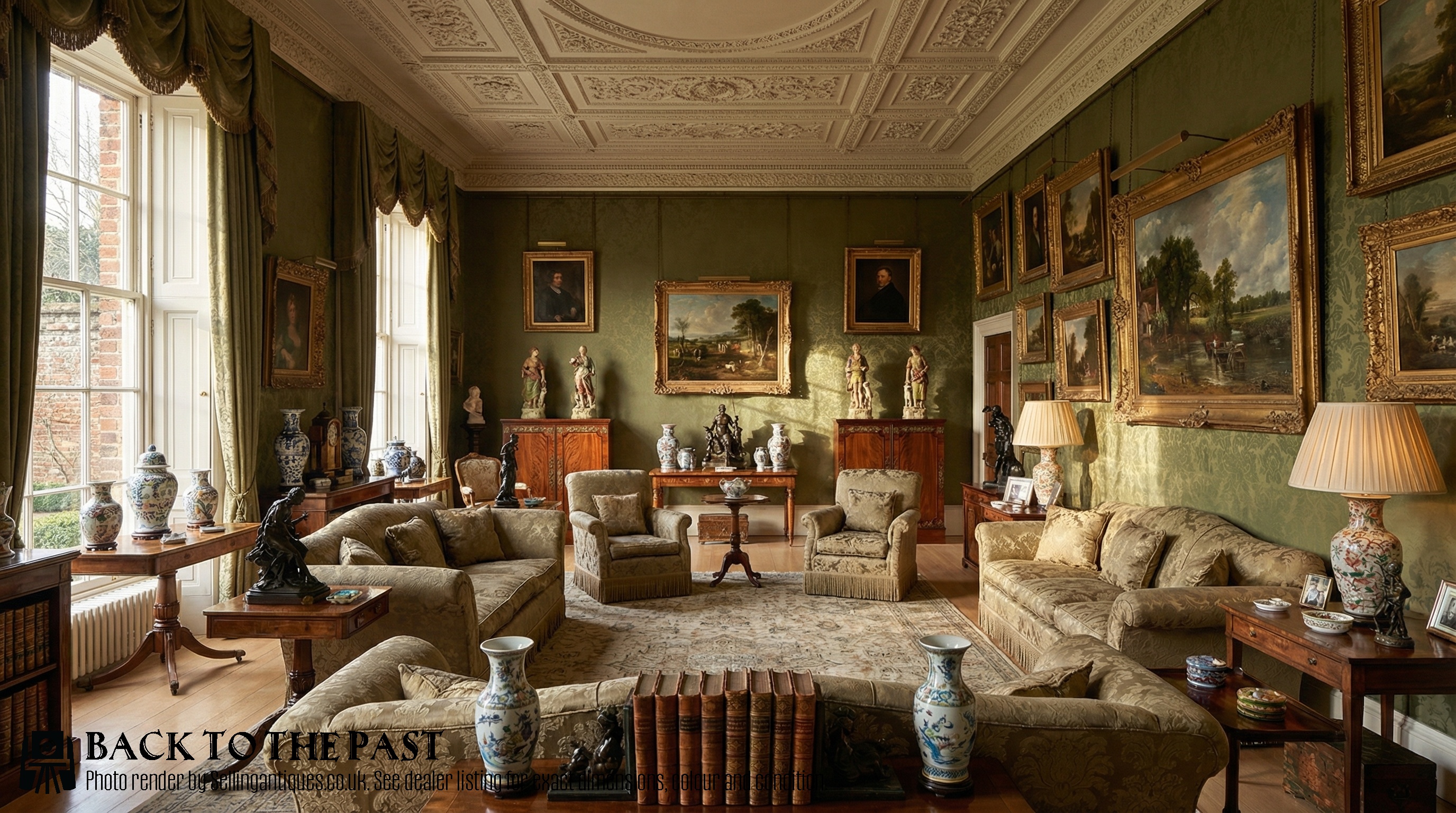
Regency Mounted Cabinet
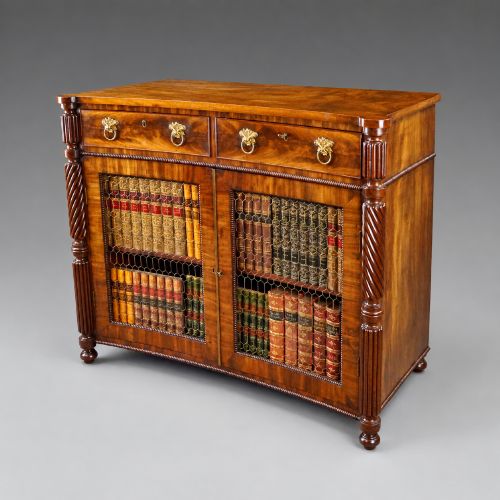
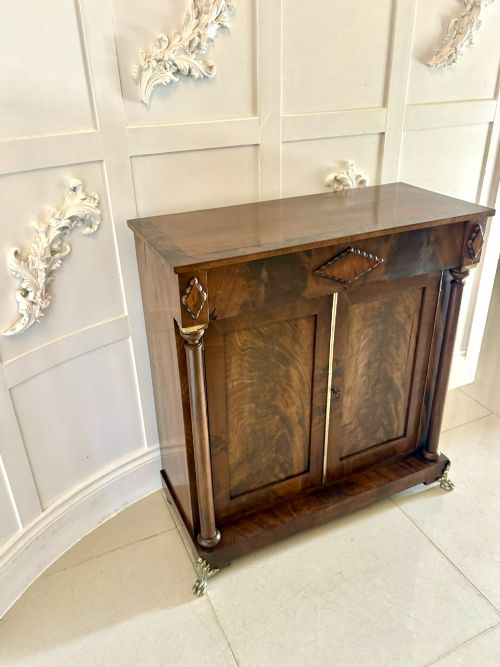
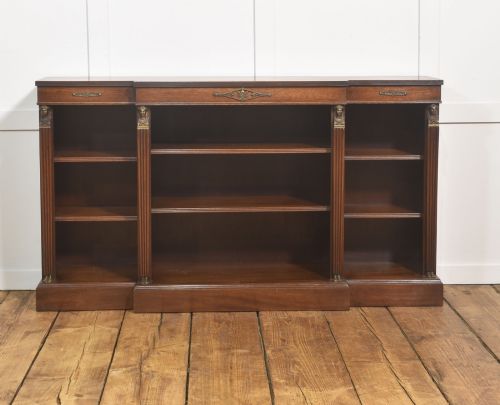
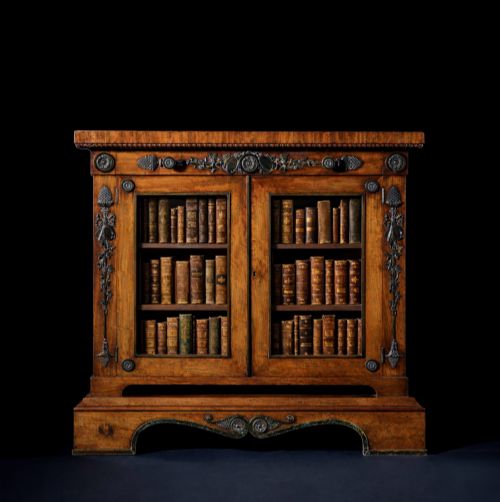
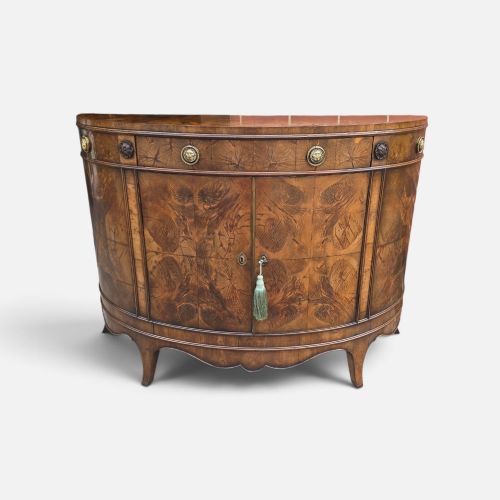
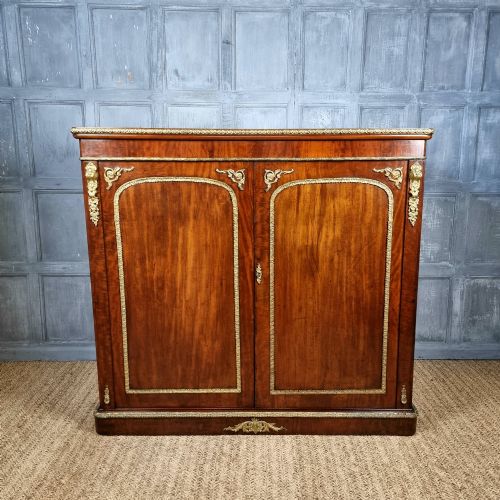
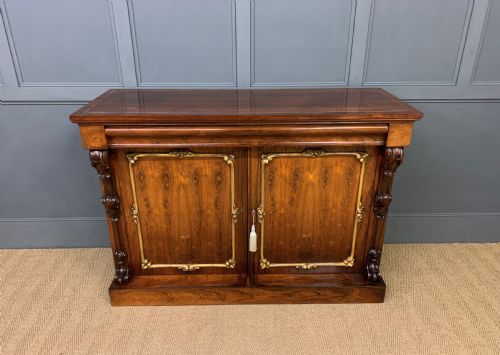
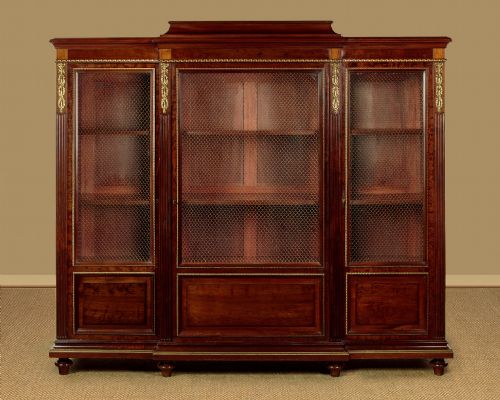
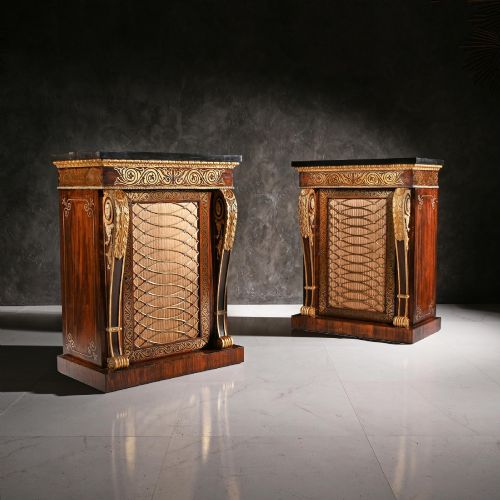
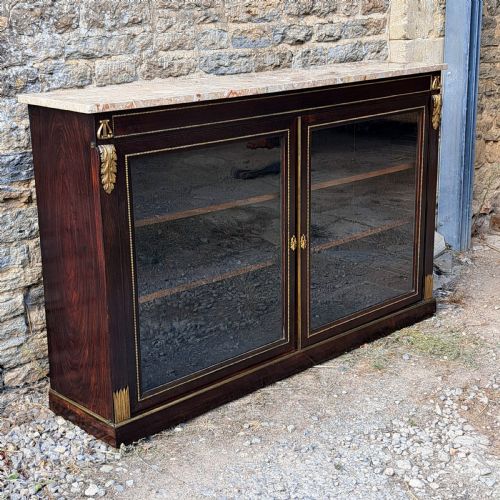
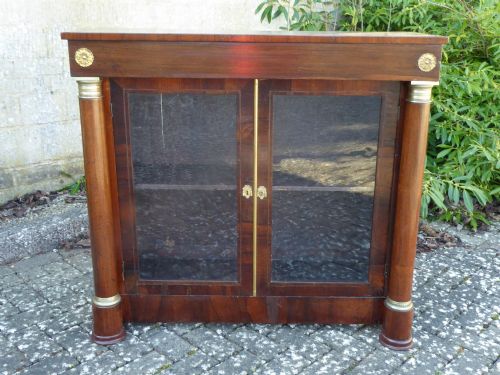
A regency mounted cabinet represents an intersection of architectural form and functional storage, originating predominantly from the early nineteenth century. When searching for a regency mounted cabinet, buyers encounter side cabinets, chiffoniers, and bookcases executed in rich timbers.
The pieces on this page span the Regency period alongside later nineteenth-century revivals and Edwardian interpretations. Rosewood and mahogany dominate the selection, frequently enhanced by brass or bronze mounts that define the aesthetic of the period.
Construction and materials
Cabinet makers utilised dense hardwoods such as mahogany and rosewood as foundational carcases, often applying figured veneers to display dramatic grain patterns. Surface decoration relied heavily on precision brass inlays and cast or gilt metal mounts affixed with small pins.
Interiors typically combined secondary timbers like oak or mahogany for drawer linings and shelving. Glazed doors incorporate delicate wooden glazing bars, whilst specialised pieces feature marble tops or pleated silk fabric panels behind brass grilles.
Some cabinets hide their contents behind pleated silk panels designed to muffle the rattling of fine glassware.
Judging execution and finish
Quality rests in the crispness of the brass chasing and the precision with which metal mounts integrate into the wooden carcase. Superior examples demonstrate meticulous timber selection, where veneer grains match symmetrically across drawer fronts and door panels.
The refinement of internal construction, including hand-cut dovetails on drawers and secondary timbers of consistent grade, distinguishes master workshops from standard production. Original fixings, glass panels, and uniform patination across the wood and metal further elevate a piece.
Gillows·Louis Constantin Le Gaigneur·Marsh and Tatham·John McClean
The Regency Mounted Cabinet Glossary
- Ormolu
- Gilded bronze used for decorative mounts and accents on furniture. The technique involves applying a gold amalgam to bronze before firing.
- Chiffonier
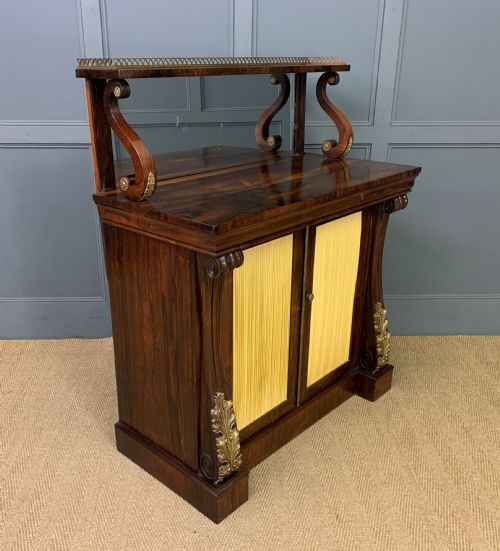
- A low sideboard cabinet developed during the Regency period, often featuring enclosed lower cupboards and a shelf superstructure supported on pillars.
- Breakfront
- A piece of furniture whose central section projects forward from the flanking sections. This configuration creates visual depth and architectural interest.
- Veneer
- A thin layer of figured wood applied over a stable secondary timber carcase. This technique allows cabinet makers to display expensive decorative grain patterns economically.
- Cellarette
- A fitted cabinet or box designed for storing wine bottles securely within a dining room or library. Interiors are traditionally lined with lead or mahogany divisions.
Regency Mounted Cabinet: Frequently Asked Questions
How do I spot a true Regency piece?
Examine the timber species, construction methods, and hardware integration to determine the period of origin. Genuine Regency pieces utilise period-specific secondary timbers and hand-forged fixings.
Compare the proportion and decorative motifs against documented examples from the early nineteenth century. Revival pieces from later eras often display subtle differences in machine tooling and assembly.
Where were these cabinets placed originally?
These cabinets occupied principal reception rooms, libraries, and drawing rooms in grand townhouses and country estates. They served to display prized porcelain, books, or curiosities while concealing household items.
Dining rooms utilised specialised variants like cellarettes and low chiffoniers for serving and storage. Their finished backs and compact footprints allowed flexible placement against walls or beneath windows.
What is the difference between a chiffonier and a side cabinet?
A chiffonier incorporates a raised shelf superstructure supported by pillars above the main low cabinet surface. They emerged specifically during the Regency period for display and serving purposes.
Standard side cabinets omit the upper shelf tiers, presenting a clean rectangular or breakfront top surface. Both forms share enclosed lower storage behind solid or glazed doors.
How do I care for rosewood and ormolu?
Maintain timber surfaces by applying high-quality bees wax periodically and avoiding direct sunlight. Keep humidity levels stable to prevent the rosewood veneers from splitting or lifting.
Clean brass and ormolu mounts gently with a dry, soft cloth without abrasive polishes. Avoid chemical cleaners that can strip the original gilding from metal mounts.