





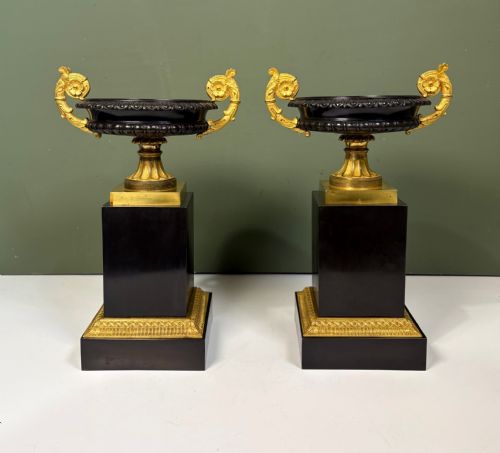


Regency Metal Urn
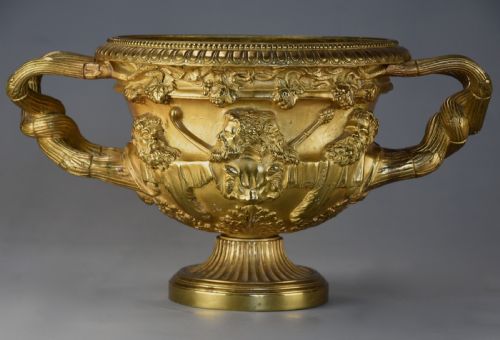
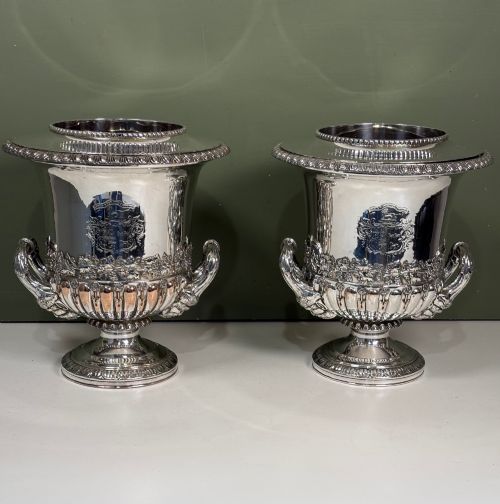
These regency metal urn pieces bring classical gravity to a room, cast in bronze, copper, brass and toleware to serve as wine coolers, samovars and decorative centrepieces.
Regency Metal Urn
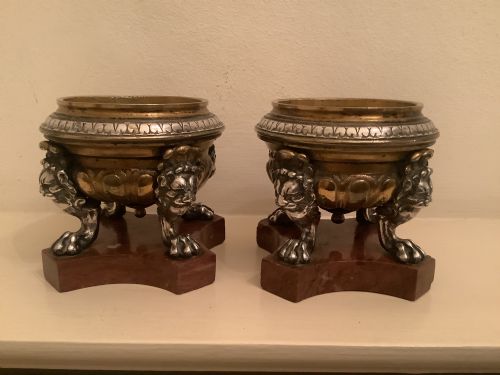
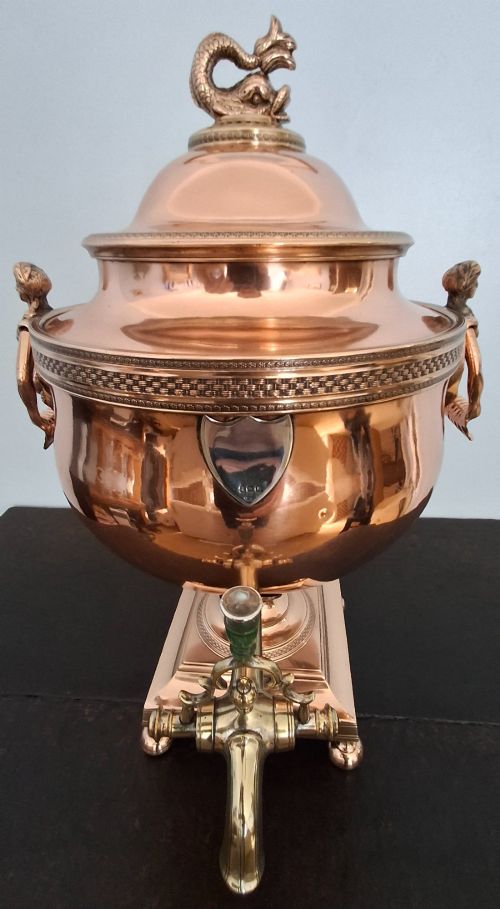
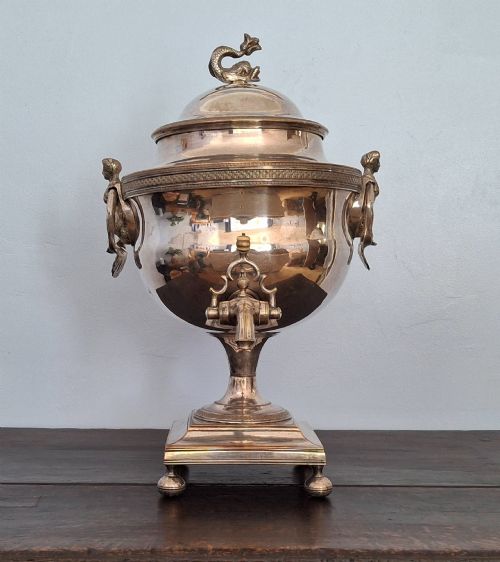
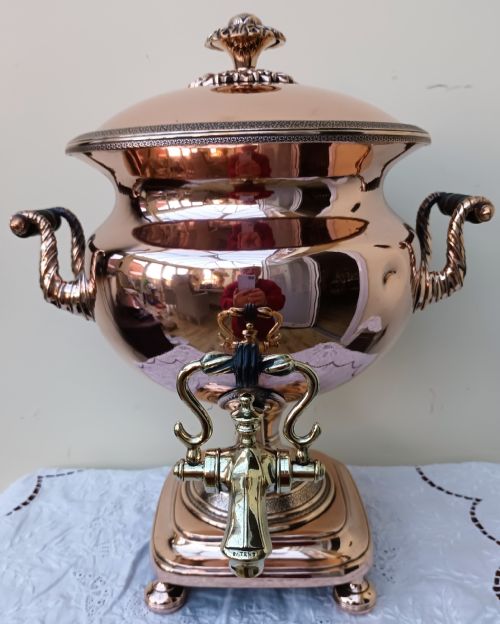
A regency metal urn brings classic proportions to domestic metalwork, drawing on the forms of ancient Greece and Rome. You meet these pieces most often as copper or brass samovars and tea urns, alongside bronze vases, wine coolers and decorative cache-pots.
The materials span from heavy cast bronze and ormolu to painted tin-ware, toleware and silver plate. Many date from the nineteenth century, aligning with Regency, Georgian and Victorian periods, with styles reaching into French Empire and Neoclassical designs.
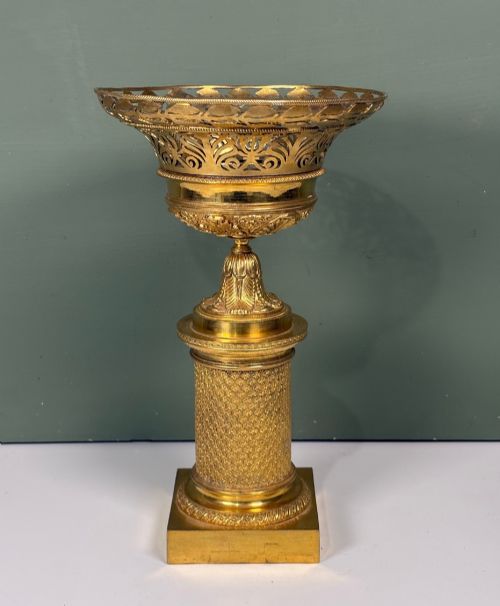
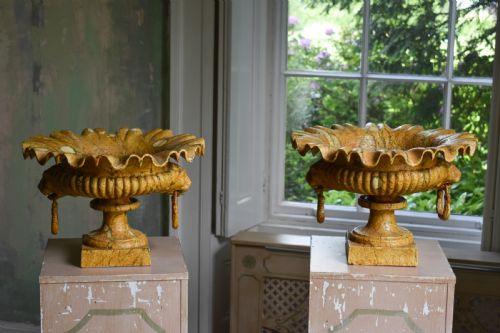
The selection includes functional vessels equipped with taps alongside purely decorative objects such as cassolettes, tazzas and lamp bases adapted from earlier forms. Their presence ranges from small tabletop tea urns to large garden planters in lead and cast iron.
Materials and methods
Makers shaped these vessels from sheet copper, brass and tin-ware using hammering and spinning techniques, often mounting them on cast brass bases and feet. Bronze and ormolu pieces relied on lost-wax or sand casting, followed by chased surface details and fire-gilding.
Surface treatments define much of the work, utilising japanning, black and gold lacquer, paint and silver plating over base metals. Handles, spigots and finials were cast separately and fixed with pins or silver solder to the main body.
Regency Metal Urn Retail Price Guide 2026
Typical asking prices for regency metal urn among the pieces listed under this phrase on Sellingantiques today, from the lower quarter to the upper quarter. They describe what is for sale here now, not the wider market.
Judging quality
Quality rests in the crispness of the casting and the weight of the metal utilised in the body. Heavy gauge copper and thick bronze retain sharper architectural details in acanthus leaves, handles and feet compared to thinner pressed metal alternatives.
The integrity of the surface finish matters greatly, whether original fire-gilding, patinated bronze or hand-painted japanning. Pieces that retain their original spigots, liners and matching pedestals command stronger interest from collectors.
The Regency Metal Urn Glossary
- Samovar
- A heated metal urn traditionally used to boil water for tea. These vessels typically feature an internal central chimney and a spigot near the base.
- Tazza
- A shallow bowl or cup mounted on a stem and foot, used for display or serving. Examples in metal often incorporate classical handles and cast bases.
- Cassolette
- A decorative vase with a pierced cover that can be reversed to serve as a candleholder or used for burning perfumes. They are frequently cast in bronze and ormolu.
- Toleware
- Tin-plated steel coated with lacquer or paint, often decorated in japanned styles. It was utilised for tea urns, chestnut urns and wine coolers.
- Ormolu
- Gilt bronze produced by applying a mercury and gold amalgam to cast bronze and firing it. The process creates a rich golden finish characteristic of Regency metalwork.
Regency Metal Urn: Frequently Asked Questions
What was a regency metal urn used for?
These vessels served practical domestic roles at the dining table or sideboard, functioning primarily as tea urns, samovars or wine coolers for chilling bottles.
Many others were made purely as decorative objects, taking the form of classical vases, cache-pots or table lamps to display neoclassical taste.
How do I care for antique bronze and copper?
Keep metal urns away from direct heat sources and damp environments to protect the underlying copper, brass or bronze from active corrosion.
Dust them gently with a dry cloth and avoid harsh metal polishes that strip away the aged patination accumulated over the centuries.
Are these urns waterproof?
Many metal samovars and wine coolers were designed to hold liquids and retain their original metal liners or soldered joints.
However, older soldered seams can dry out, so it is wise to test containers gently before using them regularly for fresh flowers or water.
How do I identify a Regency period piece?
Regency metalwork relies heavily on classical archaeology, featuring motifs like acanthus leaves, campana shapes, paw feet and Greco-Roman handles.
Construction methods also help, as hand-beaten copper seams, cast bronze components and early fixing pins point to nineteenth-century workshop practices.