


Regency Masons Ceramic
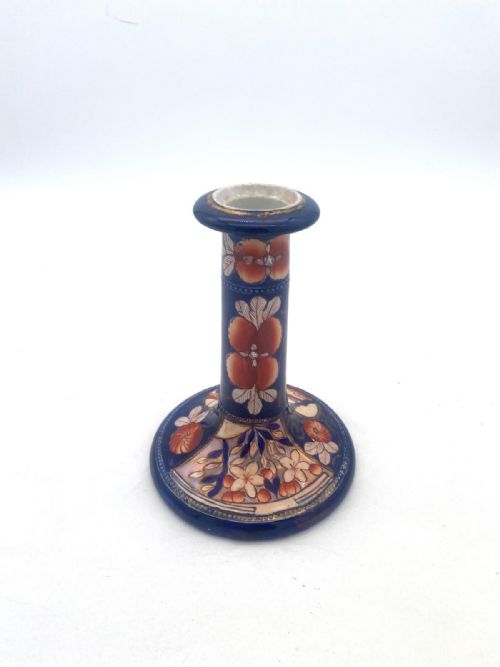
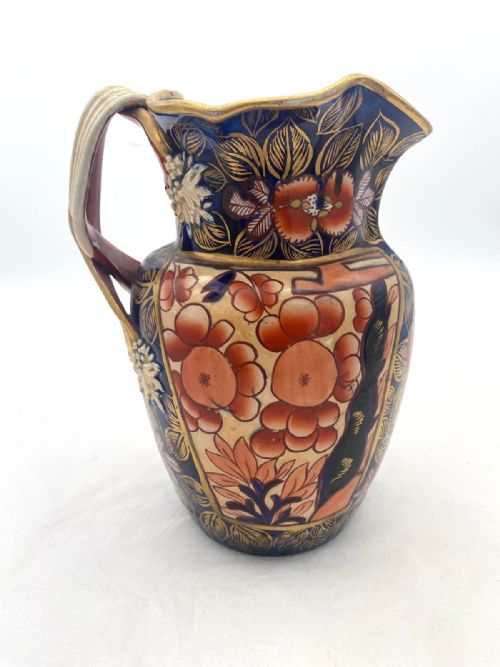
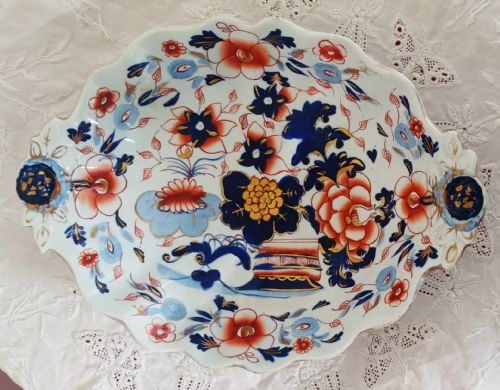
Regency masons ceramic pieces are durable ironstone vessels bearing rich Chinoiserie and Imari patterns that bring bold early nineteenth century colour to a room.
Regency Masons Ceramic
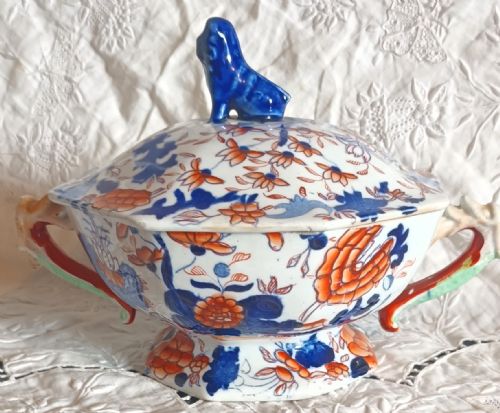
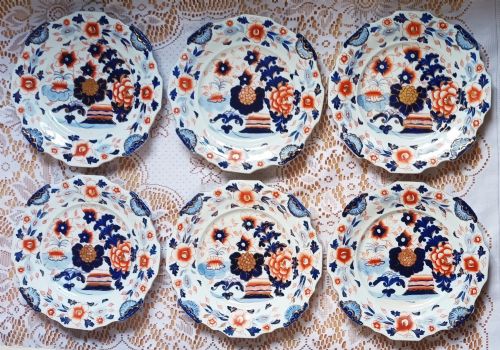
When you search for regency masons ceramic, you enter a world of heavy ironstone utility and vibrant decoration produced during the early nineteenth century. These wares range from large soup tureens and meat platters to vases, jugs, and dessert services designed for the dining tables of the period.
The pieces most commonly met on this page date from the Georgian and Regency eras, roughly between 1810 and 1830. Makers utilised robust ceramic bodies to create functional tableware that could withstand heavy daily use while carrying intricate, hand-applied oriental-inspired motifs.
Forms often include octagonal jugs, draining inserts, comports, and lidded potpourri jars. They combine sturdy construction with decorative ambition, reflecting the period fascination with eastern designs adapted for British households.
How they were made
Makers formed these wares using a dense ironstone ceramic body patented to give earthenware the strength and weight of porcelain. This durable mixture allowed potters to cast large serving dishes, platters, and tureens that resisted chipping during hearty domestic service.
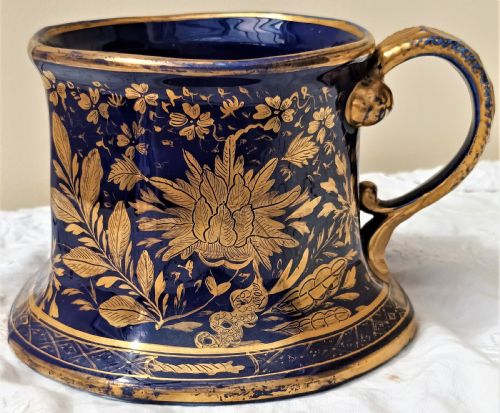
Decoration relied on transfer printing combined with hand-applied enamel colours and gold leaf highlights. Artisans painted cobalt blue grounds, red scale borders, and intricate Chinoiserie scenes over the glazed ceramic before a secondary firing fixed the pigments.
Gilding and enamel work were executed by hand, creating subtle variations in patterns such as Schoolhouse, Japan, and Grasshopper. The combination of underglaze printing and overglaze enamel gave the surfaces their characteristic depth and tactile relief.
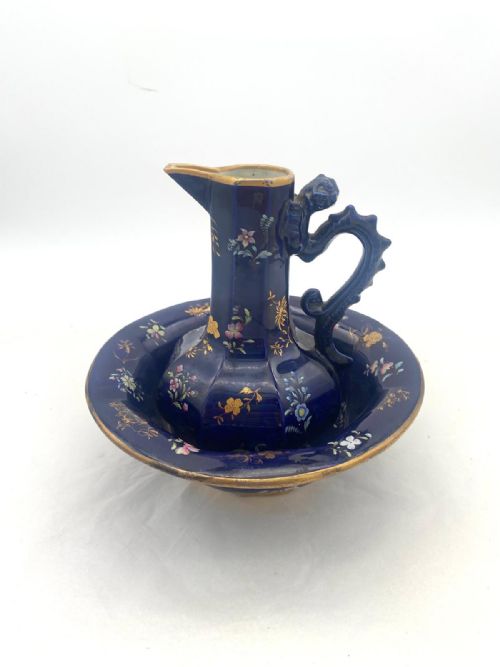
Some ewers feature delightfully grotesque handles that give formal Regency dining tables a sudden splash of eccentric personality.
What varies in quality
The distinction between ordinary utility wares and finer examples rests upon the ambition of the pattern and the crispness of the hand-painting. Pieces featuring complex multi-colour enamels, cobalt grounds, and extensive gold leaf gilding demand greater skill from the decorator.
Scale and form also determine distinction within the range, as exceptionally large platters, soup tureens with matching drainers, and unusual shapes like grotesque-handled ewers require advanced potting techniques. The precision of the transfer print beneath the glaze indicates the care taken in the initial production stages.
Miles Mason·C.J. Mason
The Regency Masons Ceramic Glossary
- Ironstone
- A heavy, durable ceramic body patented in the early nineteenth century to rival imported Chinese porcelain. It provided a strong foundation for large service dishes and tureens.
- Chinoiserie
- A European artistic style reflecting Chinese motifs and landscapes. Potters applied these imaginative oriental scenes to plates, vases, and teapots.
- Comport
- A decorative raised dish or bowl used for serving fruit or dessert. These pieces often sat on pedestals as part of a formal table service.
- Drainer
- A perforated ceramic insert placed inside a platter or tureen to separate juices from meat or fish. They are frequently found in Regency dinner services.
- Imari
- A decorative style inspired by Japanese export wares featuring iron red, cobalt blue, and gilt. Makers adapted these palettes for bold geometric and floral patterns.
Regency Masons Ceramic: Frequently Asked Questions
What is regency masons ceramic?
These are durable ironstone vessels produced by English potteries during the early nineteenth century. They combine sturdy ceramic bodies with colourful hand-painted and transfer-printed decoration.
Collectors prize them for their heavy utility and bold aesthetic, which bridges Georgian practicality and Regency decorative style.
How were these pieces used?
They served practical functions in formal nineteenth-century dining rooms, from holding soups and meats to draining liquids and presenting desserts. Large platters, tureens, and comports formed the backbone of heavy household service.
Smaller items like mugs, jugs, and ink-toned potpourri vases fulfilled decorative and personal uses around the home.
How do I live with ironstone?
These robust ceramic pieces integrate easily into modern interiors as decorative focal points or functional serving vessels. Their heavy ironstone construction makes them resilient for display on open shelving, sideboards, or dining tables.
Hand washing is recommended to preserve the delicate overglaze enamels and original gold leaf gilding from harsh detergents.
How do I date these ceramics?
Dating relies on stylistic clues, pattern names, and the distinct heavy ironstone body typical of the early nineteenth century. Pieces marked from the Regency and Georgian periods often feature specific oriental-inspired patterns like Schoolhouse or Grasshopper.
Changes in backstamps and the evolution of transfer-printing techniques further help narrow down the manufacturing decade.