



Regency Male Oil Portrait
When evaluating a regency male oil portrait, you are looking at likenesses of gentlemen captured through the distinct lens of early nineteenth-century academic and provincial artistry.
Regency Male Oil Portrait
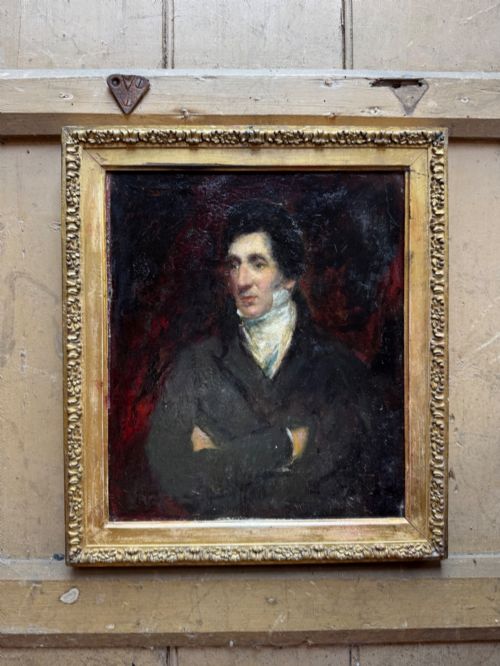
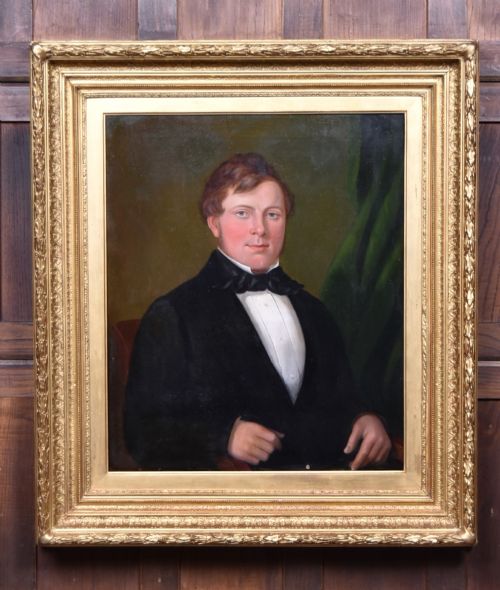
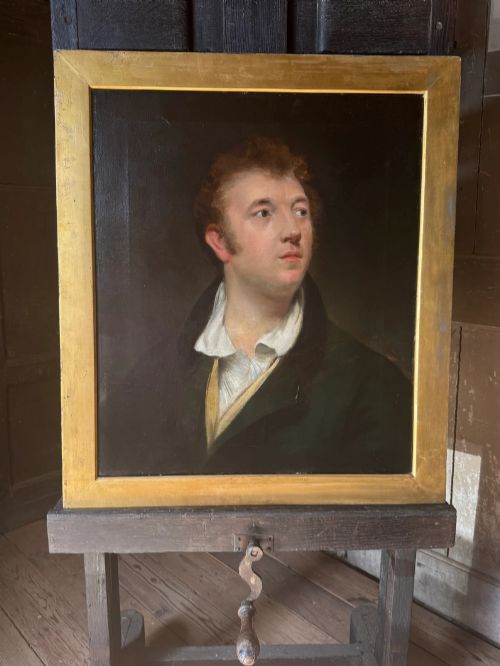
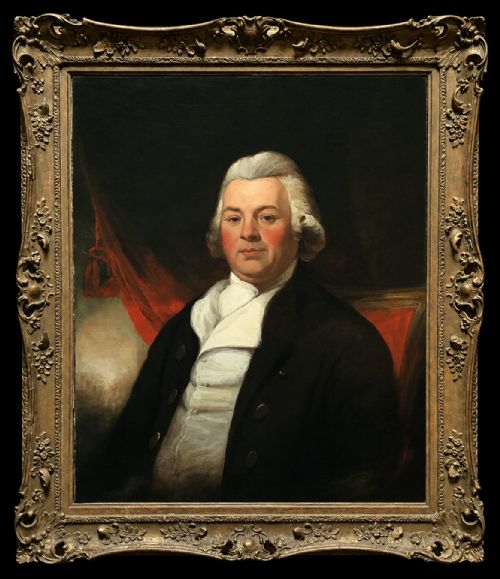
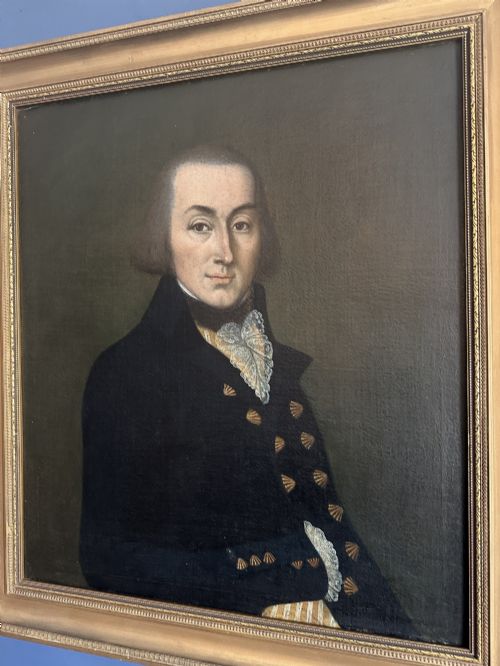
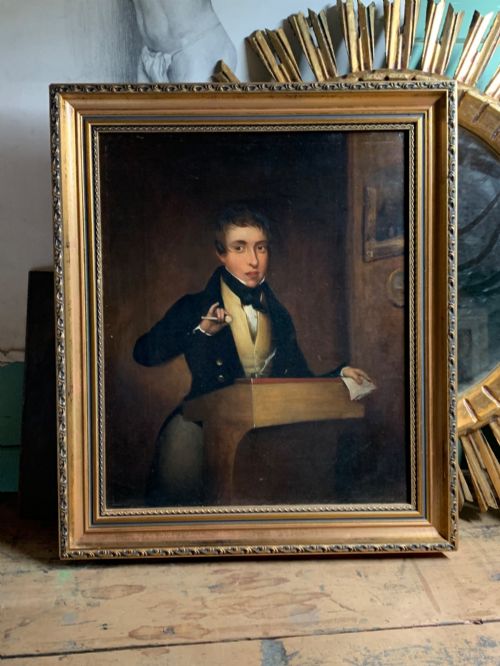
A regency male oil portrait captures the likeness of a gentleman from the late eighteenth or early nineteenth century, rendered in oil paint on canvas or board. These works range from formal academic depictions of politicians and physicians to naive school representations of anonymous sitters.
You are most likely to encounter nineteenth-century canvases depicting distinguished gentlemen, aristocrats, and professionals dressed in dark frock coats or cravats. The forms span from modest bust-length panels to large grand manner compositions reflecting the Georgian and Regency aesthetic.
Materials and Technique
Artists of this period laid oil paint onto stretched canvas or wooden board, frequently building depth through layered glazes and opaque highlights. The palette often relies on earthy tones, dark coats, and stark white linen collars to create contrast against shadowy backgrounds.
Many of these paintings retain their original wooden frames, frequently finished in giltwood or gold leaf to complement the dark tones of the subject. The preparation of the canvas and the application of the ground layer dictate how the surface has aged over two centuries.
Several gentlemen on this page appear to be glaring sternly down at their own waistcoats.
Assessing Quality and Hand
The distinction between a top-tier piece and a standard work rests in the anatomical precision of the hands and face, alongside the psychological depth captured in the sitter's expression. Master portraitists achieved a lifelike presence through subtle gradations of tone and confident brushwork.
Provincial or naive works display a charming stiffness in posture and simpler handling of light, whereas academic or attributed pieces demonstrate a sophisticated command of drapery, texture, and individual character.
Sir William Beechey·James Howe·George Watson·George Hayter·Henry William Pickersgill·Ramsay Richard Reinagle·Sir Thomas Lawrence·William Robinson·John Opie·John Phillip·George Francis Joseph·Sir Henry Raeburn·Joseph Clover·George Dawe·Samuel Drummond·William Salter
The Regency Male Oil Portrait Glossary
- Oil on canvas
- A traditional painting medium where oil-based pigments are applied to a woven fabric support stretched over a wooden frame. This combination allows for rich blending and enduring flexibility.
- Giltwood
- Wood that has been carved and coated with a thin layer of gold leaf or gold powder. It provides a bright, reflective border to dark portrait canvases.
- Naive school
- Art produced by painters with little or no formal academic training, resulting in flat perspective and charmingly direct representation. These works prioritise sincerity over strict anatomical accuracy.
- Canvas
- A heavy woven fabric, typically linen or hemp, used as the primary surface for oil paintings during the Regency era. Its texture directly influences how the paint layers sit and age.
- Ground layer
- The preparatory coating applied to a canvas or board before the artist begins painting, serving to seal the support and control absorbency. It forms the foundation for the subsequent oil layers.
Regency Male Oil Portrait: Frequently Asked Questions
How do I identify a Regency portrait?
Look for specific markers of dress, such as high-collared coats, neckcloths, and natural hairstyles typical of the early nineteenth century. Stylistic cues often align with the academic portraiture traditions of the Georgian and Regency periods.
Examining the construction of the canvas stretcher and the type of wooden panel or frame can also provide helpful chronological context.
Where should I hang these portraits?
These works suit traditional study spaces, libraries, or living rooms where darker oil tones can anchor the interior scheme. They pair well with antique wooden furniture and period architectural details.
Keep the paintings away from direct sunlight and high moisture areas to protect the canvas and giltwood frames from degradation.
Are all sitters historically important?
Many paintings depict prominent military officers, politicians, and clergy, while others show anonymous gentlemen, merchants, or family members whose identities have been lost over time. Both named sitters and anonymous portraits share the same artistic techniques of the era.
The value and interest often rest as much in the skill of the artist and the condition of the painting as in the identity of the sitter.
What frames are period correct?
Original or contemporary frames are typically constructed from wood and finished with giltwood or gold leaf, often featuring moulded decorative cornices. These frames enhance the visual weight of the oil painting and complement the dark clothing of the sitters.
Replacement frames from later Victorian or Edwardian periods are also common additions found on older canvases.