
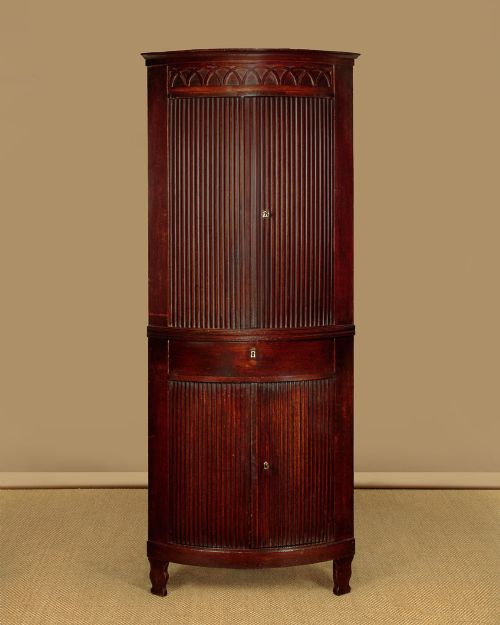
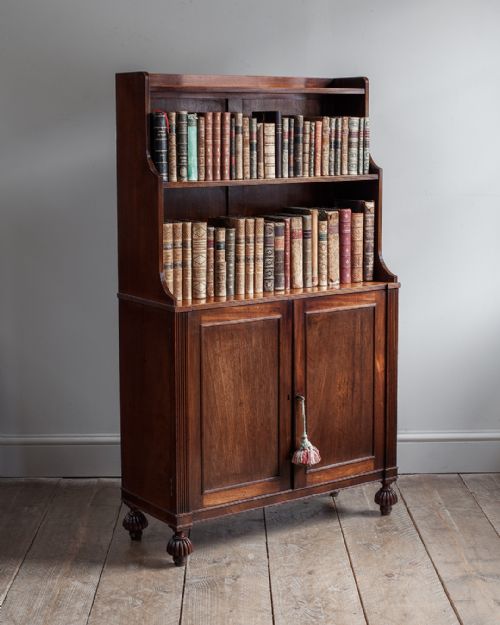
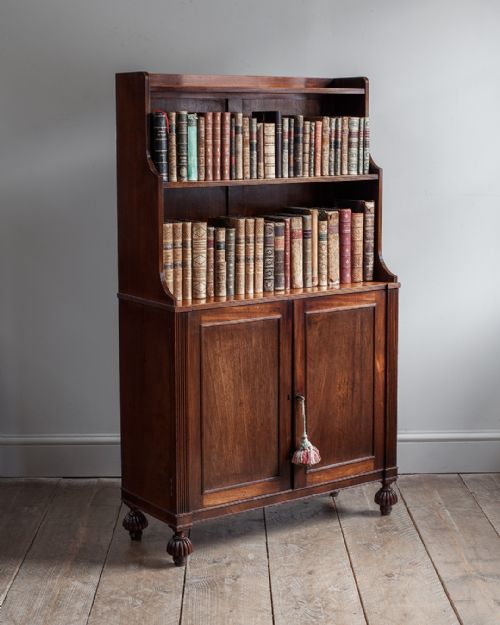
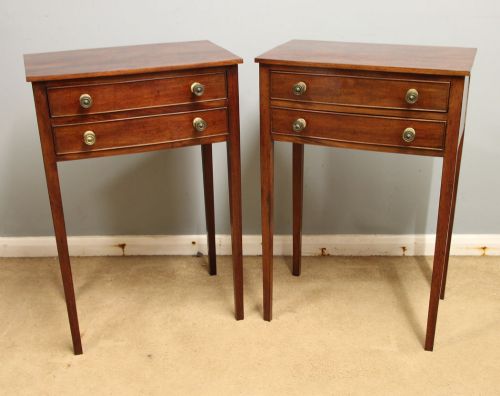
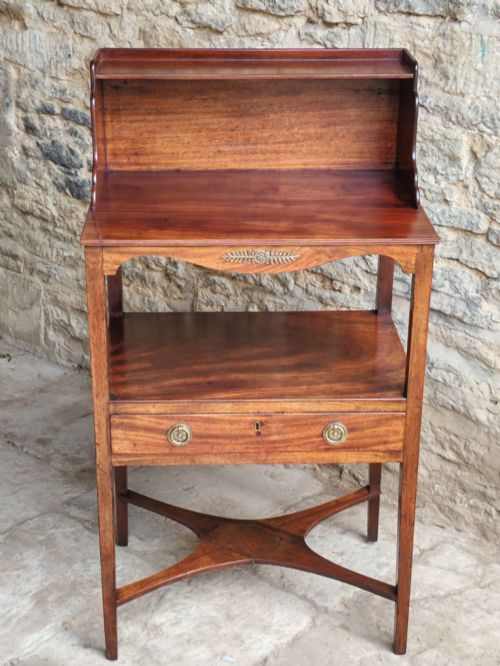
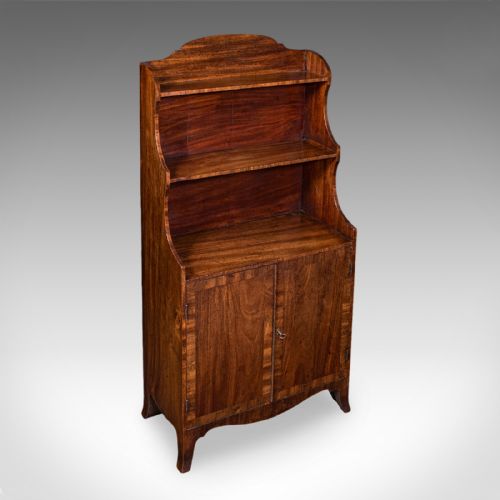
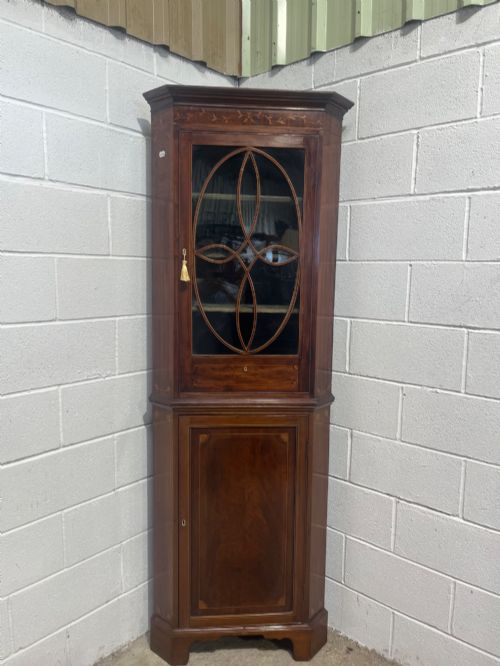
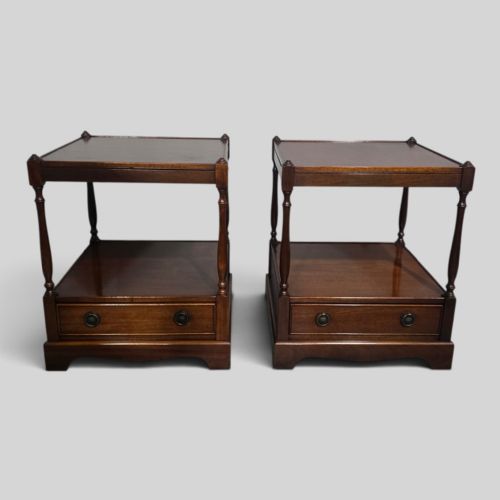

Regency Mahogany Standing Cabinet
Regency mahogany standing cabinets bring architectural presence and rich timber figures into a room, serving as stately repositories for books and collections.
Regency Mahogany Standing Cabinet
A regency mahogany standing cabinet represents the formal architectural storage pieces produced during the early nineteenth century and its associated revival periods. When searching for a regency mahogany standing cabinet, buyers encounter floor-standing furniture designed to display or conceal books, collections, and domestic stores.
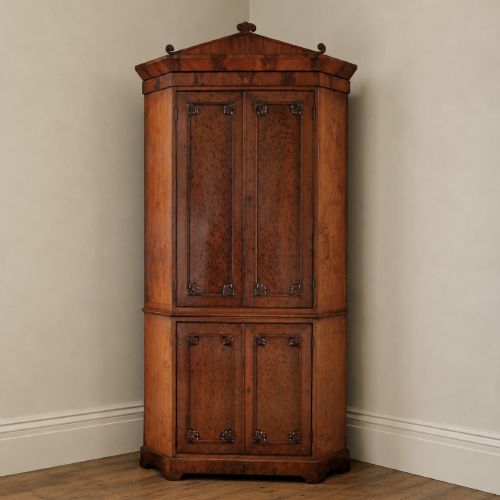
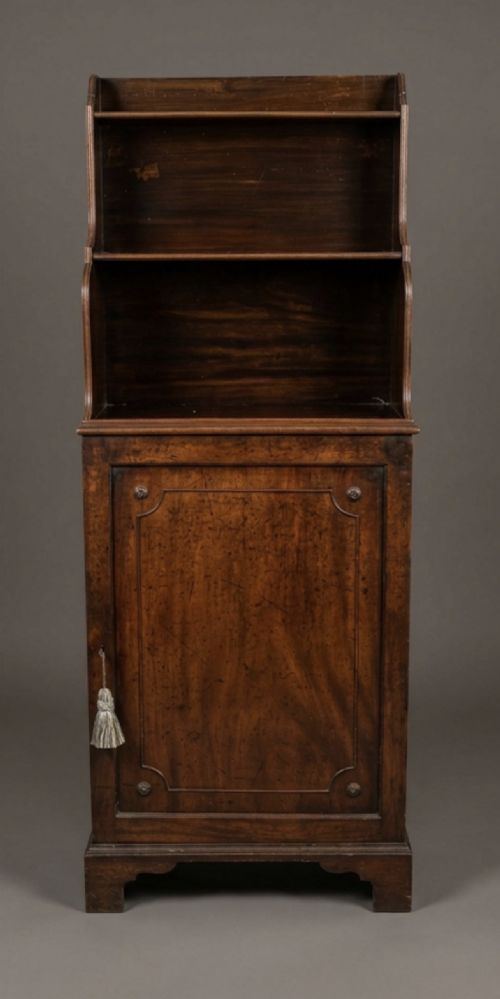
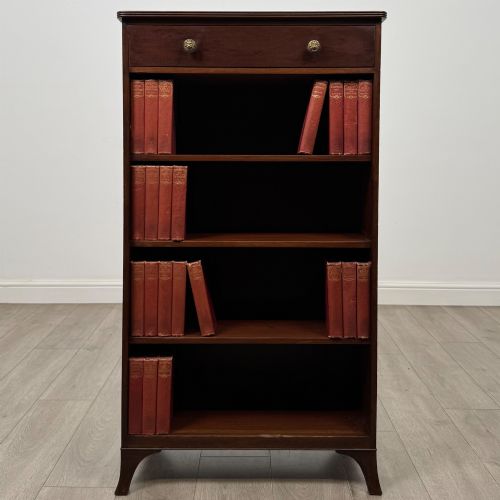
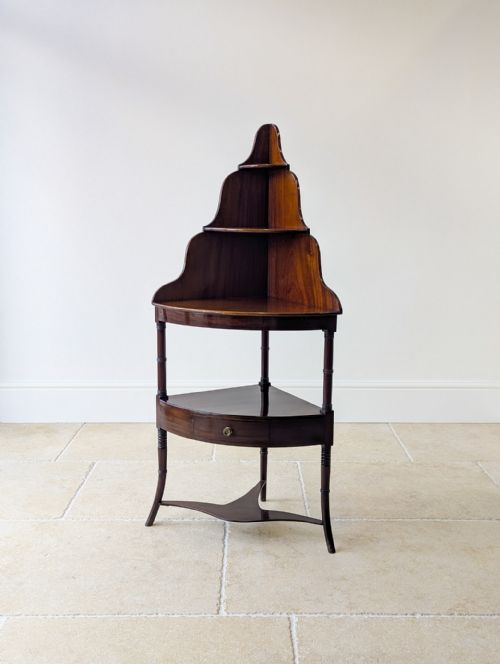
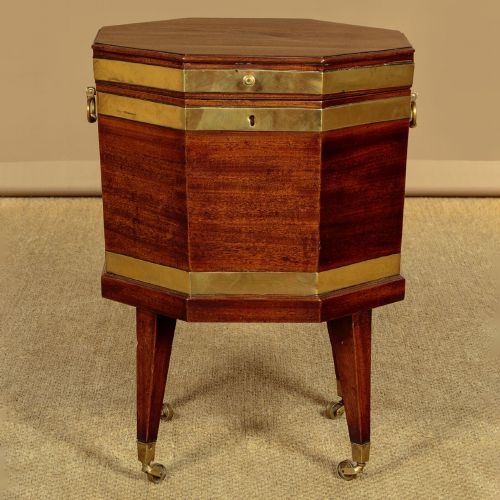
The evidence shows these pieces span periods from the Georgian and Regency eras through to later Victorian and twentieth-century interpretations. Forms range from corner cupboards and waterfall bookcases to cellarettes, bedside tables, and breakfront cabinets.
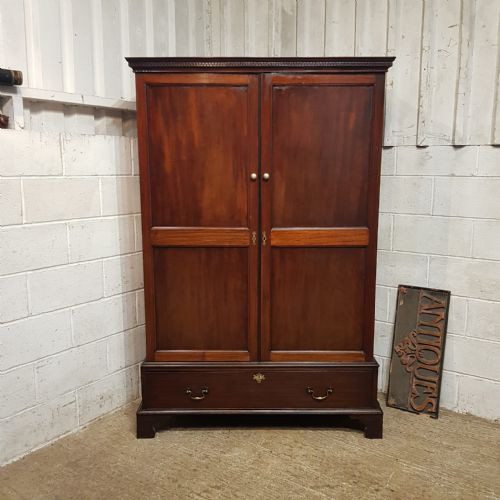
Makers and cabinetmakers constructed these standing pieces to anchor rooms, utilising vertical space efficiently. Buyers frequently find variations that incorporate open shelving above enclosed cupboards or glazed doors.
Materials and Construction
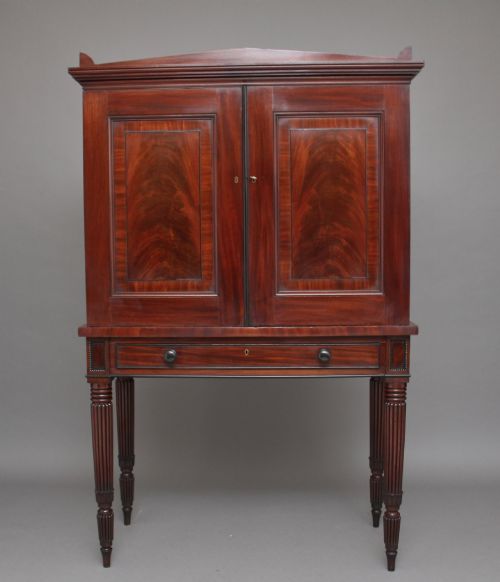
The primary construction relies on solid and veneered mahogany, often selected for dramatic grain patterns such as flame mahogany or plum pudding mahogany. Artisans combined these rich timbers with secondary woods to build robust carcases capable of supporting heavy collections of books or glassware.
Metalwork played a structural and decorative role, featuring brass hinges, escutcheons, handles, and occasional ormolu mounts. Glass was utilised for astragal-glazed cabinet doors, allowing contents to be viewed while protected from dust.
Some nineteenth-century corner cupboards arrive with their original working brass keys still turning smoothly in the locks after two hundred years.
Distinctions in Execution
Quality in these standing cabinets rests upon the selection and matching of timber veneers. Exemplary pieces display harmonious grain flow across drawer fronts and doors, whereas simpler items utilise plain or mismatched timber boards.
The refinement of internal joinery and exterior details dictates the standing of the piece. Crisp mouldings, precise inlay, and well-fitted doors separate standard utility furniture from sophisticated cabinet work.
The Regency Mahogany Standing Cabinet Glossary
- Flame mahogany
- A veneer cut from the fork of the mahogany tree where branches meet the trunk, producing a distinctive fire-like ripple effect. This figured timber was favoured for the most prominent surfaces of polite furniture.
- Astragal glazed
- A method of window or door construction where small wooden strips divide glass panes into geometric patterns. These delicate frames provide structural support while keeping the glass visually light.
- Cellarette
- A fitted storage chest or cabinet designed to hold wine bottles securely in transit or service. Interiors frequently contain specific partitions or lead-lined compartments.
- Canterbury
- A low standing rack featuring vertical divisions used for holding sheets of music, newspapers, or magazines. The form often sits on short legs with castors for easy movement.
Regency Mahogany Standing Cabinet: Frequently Asked Questions
How are standing cabinets different from bookcases?
Standing cabinets generally incorporate enclosed cupboard space behind doors, whereas standard bookcases focus primarily on open shelving for displaying volumes.
Many examples in the record combine both functions, featuring an open waterfall or tiered upper section above a closed base.
Where were corner cupboards placed?
Corner cupboards were specifically designed to fit snugly into room angles, making efficient use of difficult architectural spaces in period homes.
They served to store tableware, glassware, or small collections out of the main thoroughfare.
How do I care for a mahogany cabinet?
Maintenance requires keeping the timber away from direct heat sources and strong sunlight to prevent the mahogany finish from fading or drying out.
Occasional light waxing helps preserve the polish and nourish the historic wood grain.