



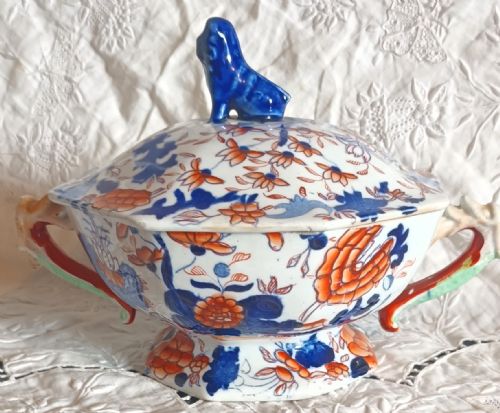

Regency Imari Pattern Ceramics
Regency imari pattern ceramics combine bold Japanese-inspired palettes with domestic English forms to anchor a mantelpiece or dining table.
Regency Imari Pattern Ceramics
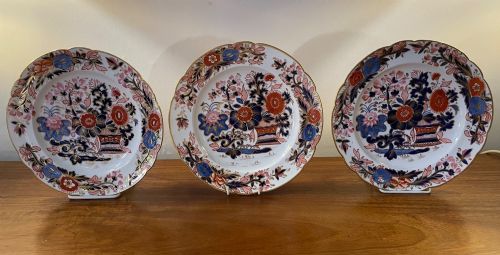
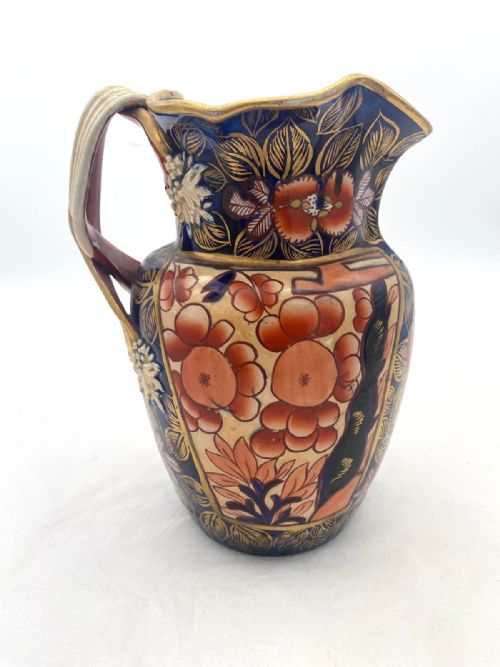
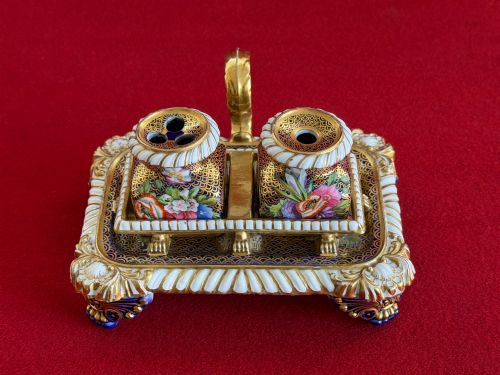
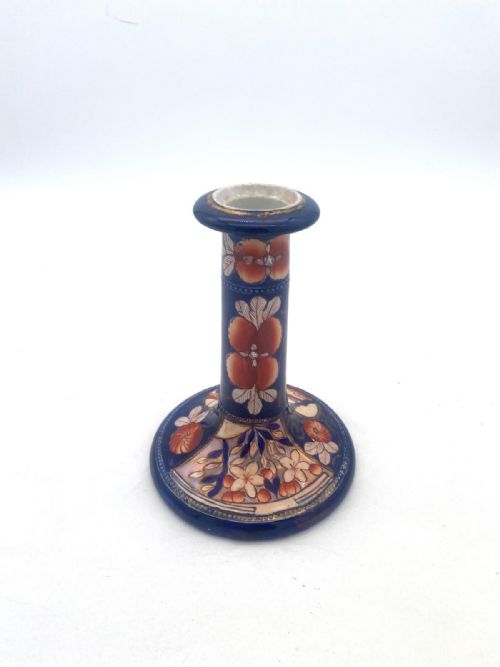
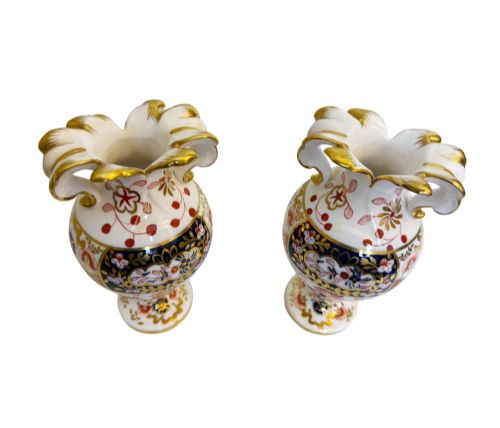
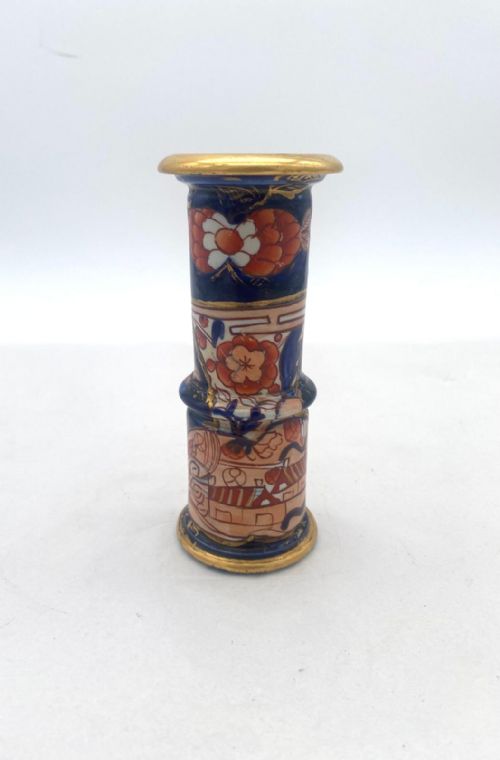
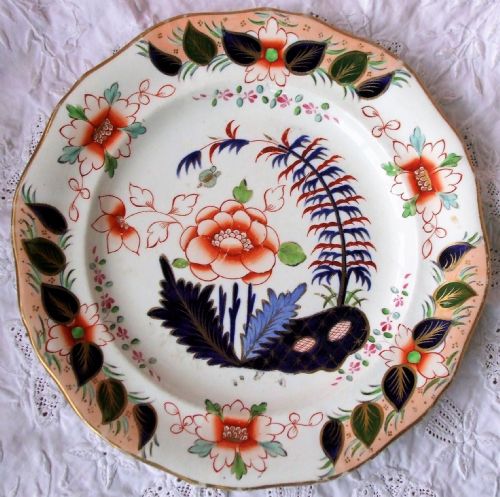
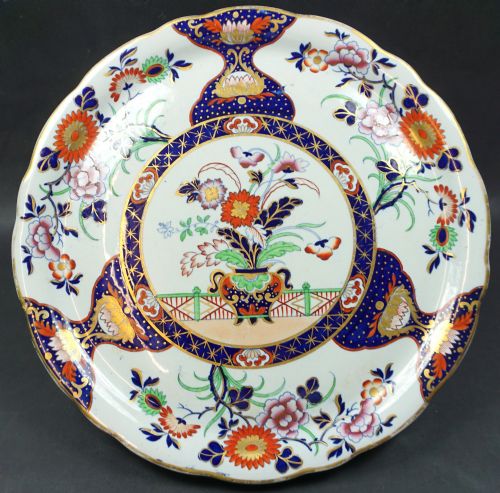
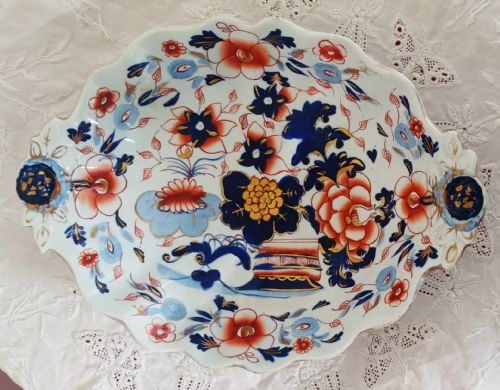
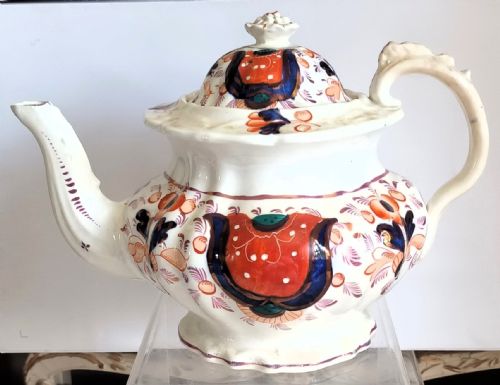
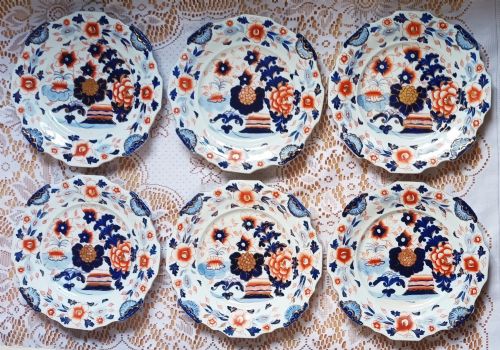
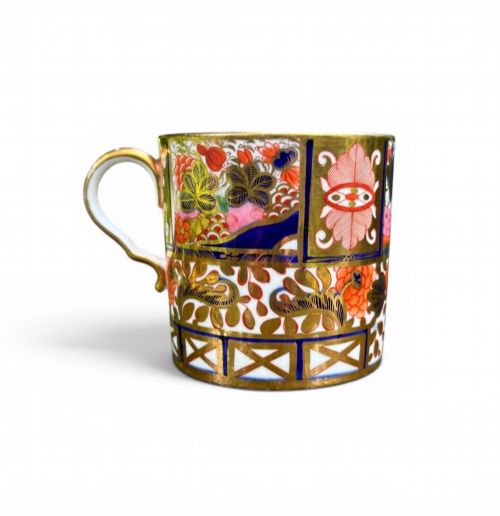
Regency imari pattern ceramics comprise decorative plates, vases, tureens, and inkstands produced primarily during the Georgian and Regency periods. Buyers examining this page encounter vessels and tableware finished in deep blues, rich reds, and contrasting ironstone or porcelain bodies.
The objects stem from English potteries influenced by Japanese export wares and Kakiemon designs. Common forms include service dishes, candlesticks, and low comports that reflect the nineteenth-century taste for Chinoiserie and Japan patterns.
How They Were Made
Manufacturers utilised durable ironstone china alongside refined porcelain and bone china as bases for hand-painted decoration. Potters shaped these materials into robust tureens, jugs, and plates designed to withstand regular dining use.
Artisans applied underglaze cobalt blue followed by overglaze iron-red enamel, complemented by gold leaf and gilding to highlight intricate motifs. Kiln firing fixed these rich palettes, producing the distinctive glossy finishes seen on pieces from this era.
Regency Imari Pattern Ceramics Retail Price Guide 2026
Typical asking prices for regency imari pattern ceramics among the pieces listed under this phrase on Sellingantiques today, from the lower quarter to the upper quarter. They describe what is for sale here now, not the wider market.
Among the exotic birds and bamboo motifs, nineteenth-century potters slipped in patterns affectionately titled Crazy Cow and Bengal Tiger.
What Varies in Quality
The precision and density of the hand-painted enamels dictate the visual weight of each vessel, separating disciplined brushwork from hurried execution. Crisp separation between the cobalt blue and iron-red tones creates a sharper definition across the surface.
The application of gold leaf and gilding varies from restrained linework to heavier, more lavish detailing that enhances the moulded contours of ironstone bodies. Potteries achieving greater depth in their glazes produce a richer, more luminous finish on plates and tureens.
Spode·Mason s Ironstone·Hicks & Meigh·Chamberlain Worcester·John Davenport·Minton·Flight Barr & Barr·Old Derby
The Regency Imari Pattern Ceramics Glossary
- Imari
- A ceramic decorative style featuring cobalt blue, iron-red, and gold, inspired by Japanese export porcelain of the Edo period. English makers adapted this vibrant palette on ironstone and bone china.
- Ironstone
- A patented ceramic body invented in the nineteenth century to provide a durable, heavy alternative to porcelain. It takes enamels and gilding exceptionally well.
- Chinoiserie
- European artistic interpretations of Chinese and East Asian decorative motifs. This style heavily influenced nineteenth-century English pottery patterns.
- Kakiemon
- An asymmetric Japanese porcelain style utilising restrained pictorial arrangements of birds and foliage. English factories frequently copied these Japanese designs.
- Comport
- A raised dish or bowl used historically for serving fruit or sweets at dessert. They sit on a central pedestal or short foot.
Regency Imari Pattern Ceramics: Frequently Asked Questions
How were imari ceramics used in Regency homes?
Regency households displayed these colourful wares on dining tables for service or arranged them on mantelpieces as decorative ornaments. Tureens, plates, and inkstands served both functional dining purposes and aesthetic display.
Wealthy families utilised matching services for dessert courses to impress guests with exotic Chinoiserie motifs. Smaller items like spill vases and inkstands sat comfortably in parlours and studies.
What distinguishes ironstone from porcelain pieces?
Ironstone provides a heavier, highly robust ceramic body designed for daily durability while accepting rich enamel colours. Porcelain offers a more delicate, translucent alternative often reserved for finer cabinet pieces.
Both materials carried similar imari and Japan patterns, though ironstone typically supported larger serving vessels like tureens and comports.
How do I identify the manufacturing period?
Early nineteenth-century pieces display specific stylistic cues from the Georgian and Regency eras, including hand-painted Kakiemon motifs and distinct ironstone body weights. Makers marks stamped or painted underneath help narrow down production dates.
Stylistic shifts towards heavier gilding and Victorian imari variants emerge by the middle of the century.
Are these ceramics suitable for daily use?
While durable ironstone bodies were originally built for dining, the historic overglaze enamels and gold leaf require careful hand washing. Modern dishwashers will degrade the delicate painted surfaces over time.
Displaying them on tables or shelves preserves the integrity of the nineteenth-century pigments.