

Regency Hall Chairs
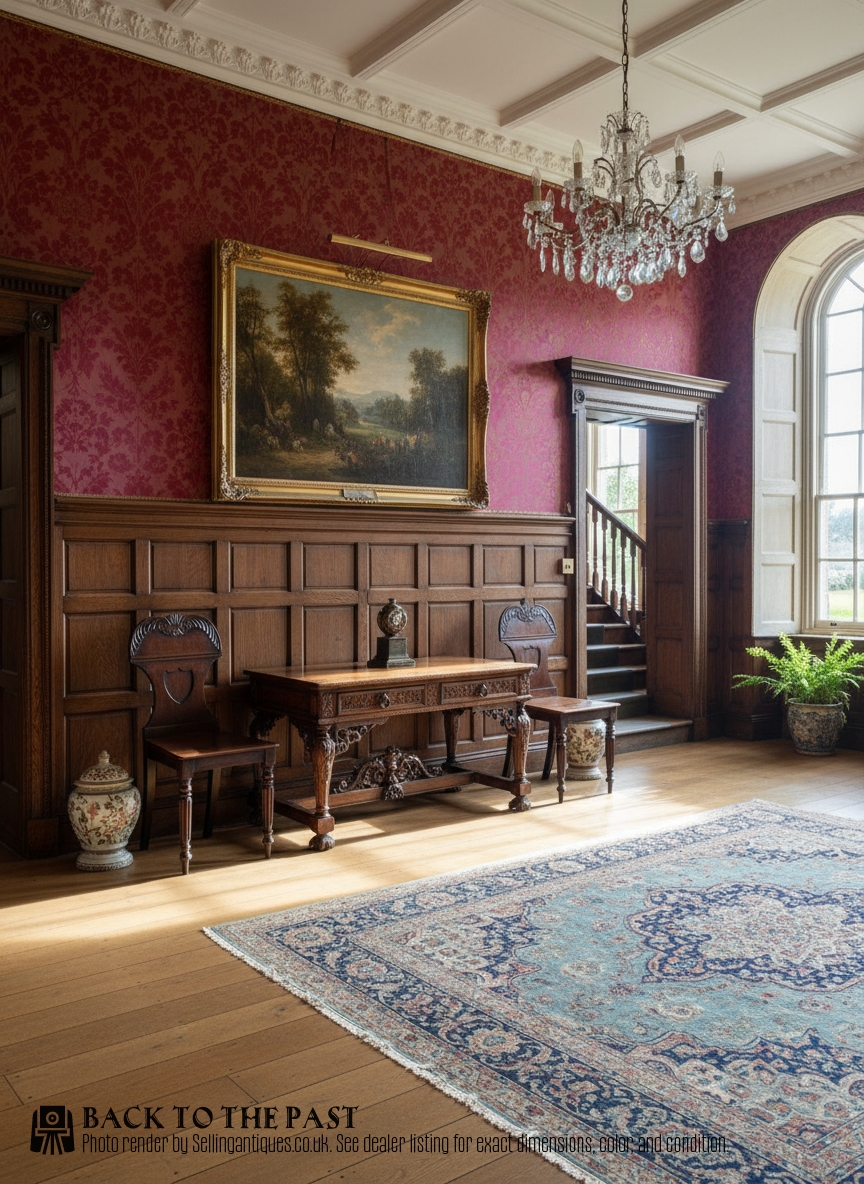
Regency hall chairs are striking formal seats built to impress visitors in grand entranceways, combining sculptural wooden backs with sturdy frames.
Regency Hall Chairs
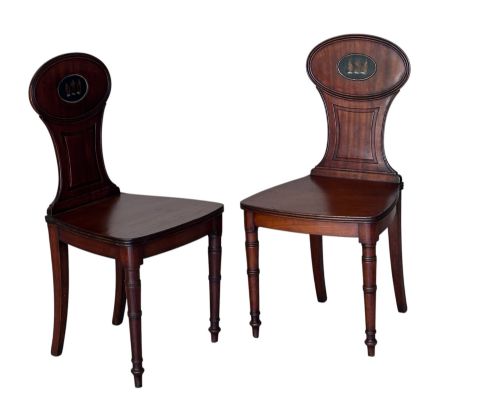
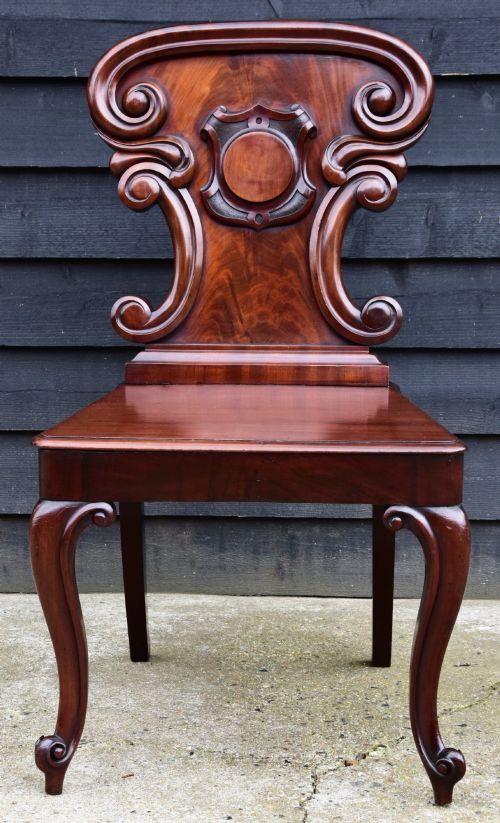
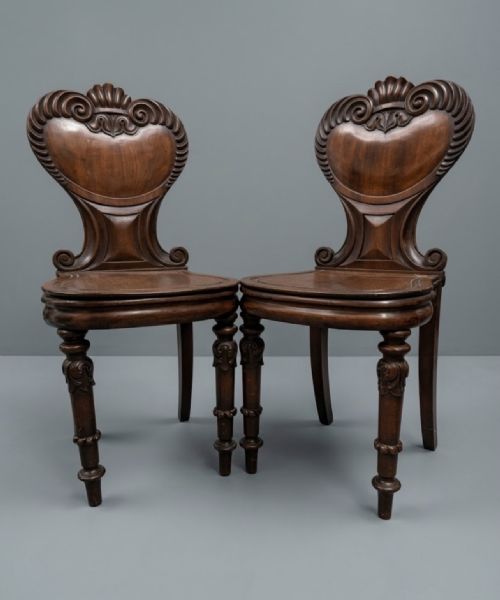
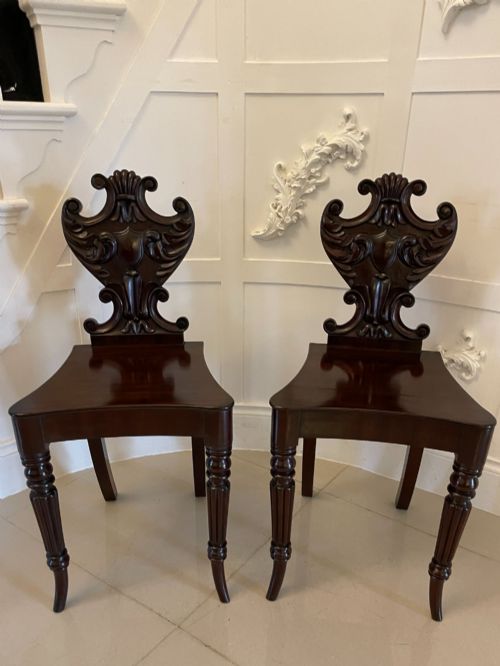
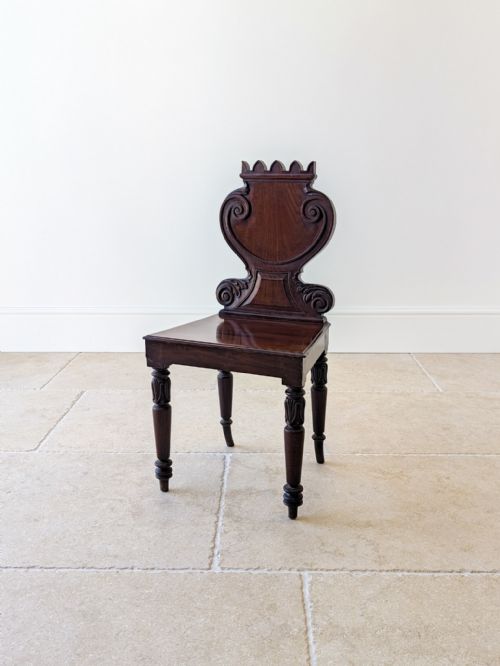
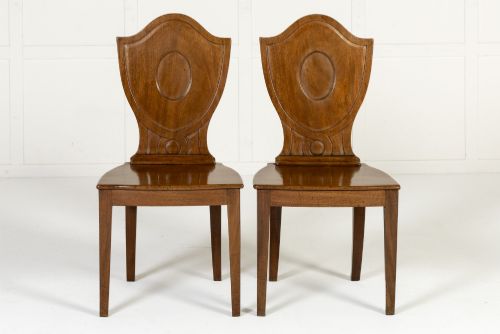
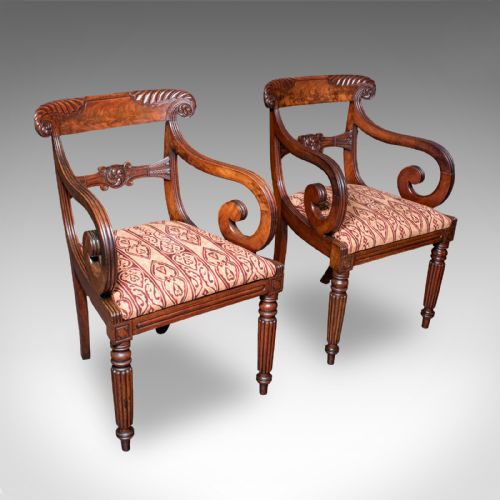
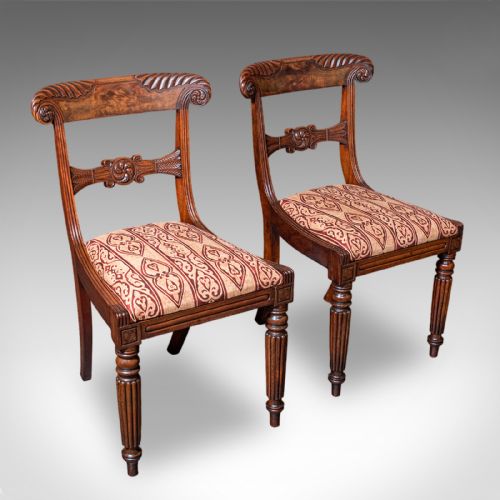
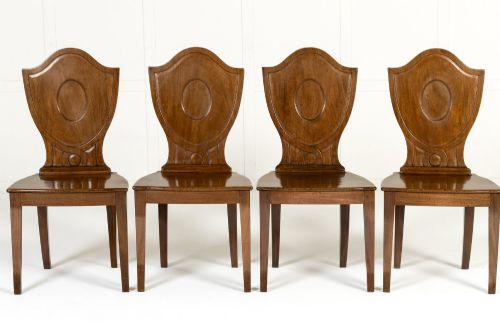
When buyers search for regency hall chairs, they encounter formal British seating designed primarily for grand entranceways rather than everyday lounging. These pieces typically feature solid timber construction with carved, shield, pelta, or shell-shaped backrests intended to display painted armorial crests or family heraldry. Pairs and matched sets appear frequently on this page, reflecting their original purpose of lining hallway walls.
The prevailing examples originate from the early nineteenth century under Regency and William IV stylistic influences, though related pieces stretch from the Georgian era into the Victorian period. Mahogany remains the dominant wood, accompanied by occasional variations in oak, painted finishes, and ebonised timber. Most surviving specimens dispense with upholstered padding entirely, relying instead on solid turned or sabre legs and sculpted wooden seats.
Materials and construction
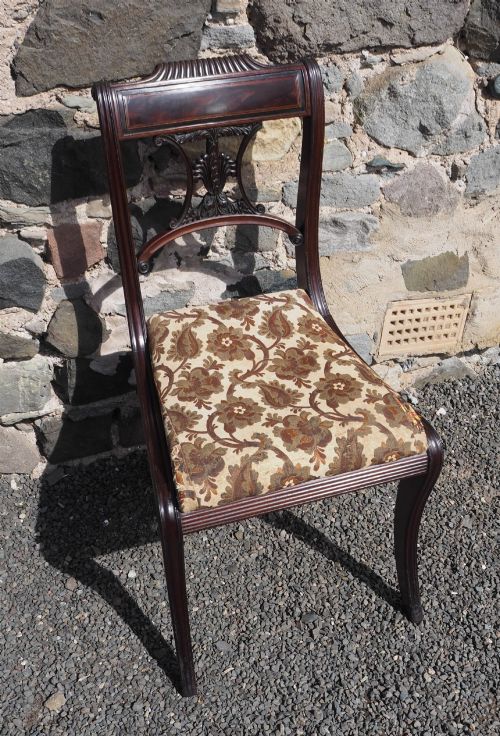
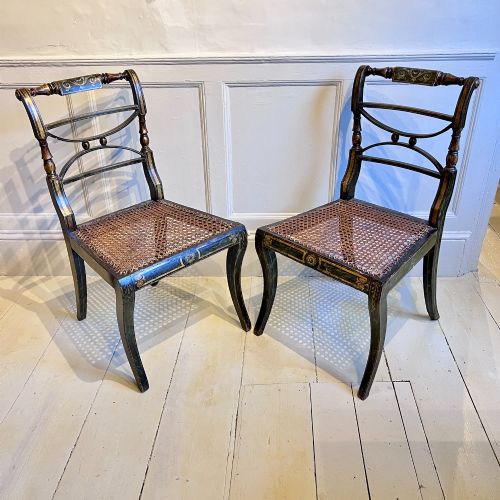
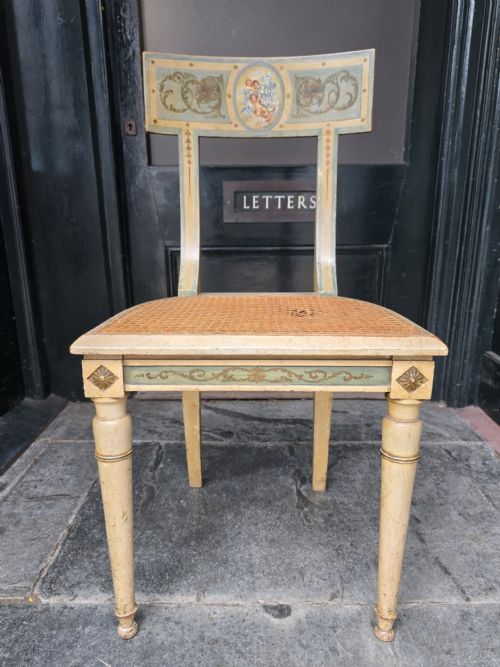
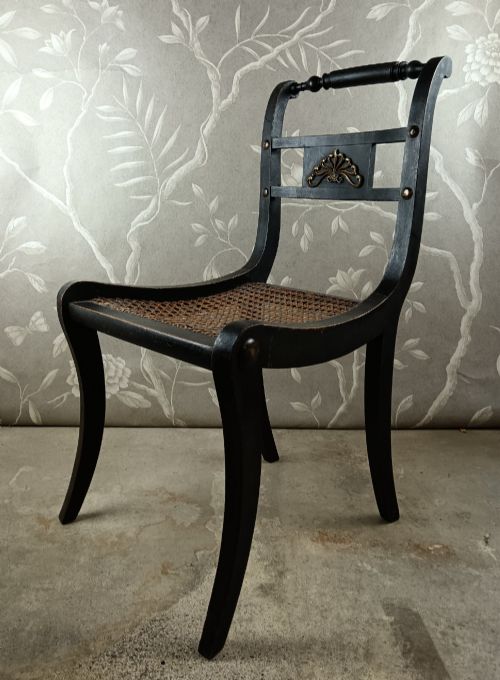
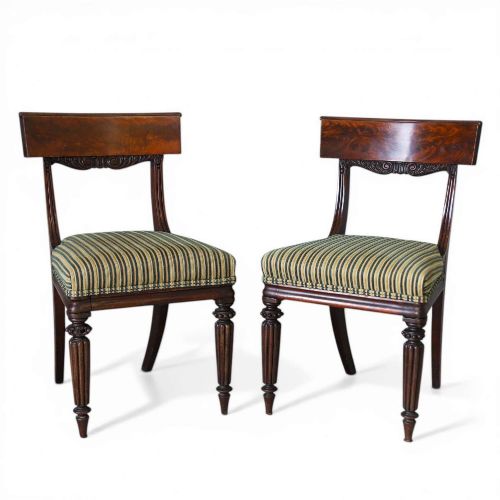
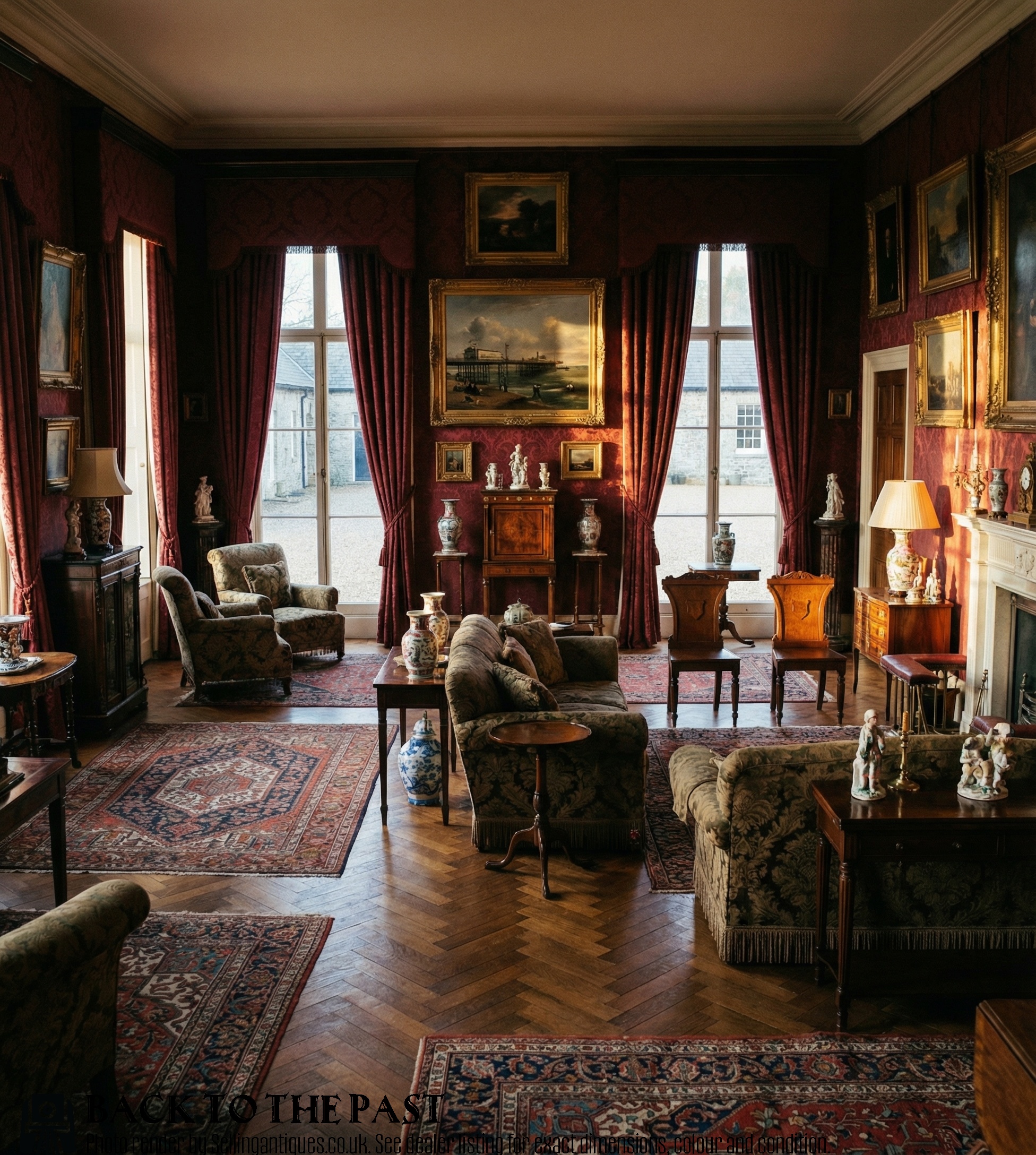
Cabinetmakers constructed regency hall chairs predominantly from dense tropical hardwoods such as Cuban and figured mahogany, which accepted sharp chisel work for carved shell motifs and heraldic details. Oak also served regional makers, while ebonised wood, paint, and gilding provided sophisticated surface treatments mimicking more exotic materials. Selected pieces incorporated cane work or simple fabric upholstery on seats, though solid timber panels remained standard for heavy hallway use.
Joinery techniques relied on robust pegged mortise and tenon joints to withstand the upright demands placed upon reception seating. Backrests were frequently shaped from single thick boards or formed with curved splats to support the back while maintaining rigid architectural profiles. Sabre legs, tapered turned supports, and occasional brass castors completed the structural assembly.
Regency Hall Chairs Retail Price Guide 2026
Typical asking prices for regency hall chairs among the pieces listed under this phrase on Sellingantiques today, from the lower quarter to the upper quarter. They describe what is for sale here now, not the wider market.
Some chairs bear painted greyhounds or coronets on their wooden shields, quietly reminding visitors exactly who owned the hallway.
Factors determining quality
Gillows
The Regency Hall Chairs Glossary
- Armorial
- Bearing a painted or carved coat of arms or heraldic crest. These symbols identified the lineage of the household in grand entranceways.
- Pelta back
- A shield-shaped backrest resembling an ancient Greek pelta shield. This distinctive carved outline defines many early nineteenth-century designs.
- Sabre leg
- A concave curved leg tapering outward toward the foot. This classical form provides stability and grace to Regency seating.
- Ebonised
- Wood finished with a dark stain or black lacquer to imitate ebony. This technique was popular for achieving high-contrast neoclassical aesthetics.
- Patina
- The surface sheen and mellow tone developed through age and handling. Good examples show deep warmth across the exposed timber.
Regency Hall Chairs: Frequently Asked Questions
Where were hall chairs placed?
These chairs lined the walls of grand entrance halls and reception spaces in country houses and town residences. Visitors waited upon them while awaiting formal admission to the main rooms.
Because they were meant for display and brief waiting rather than long lounging, the seats were deliberately unpadded and rigid.
Are these chairs comfortable to sit on?
Most examples offer an upright, firm sit due to their solid wood seats and carved wooden backrests. They were designed for posture and architectural presence rather than relaxation.
Cushions are sometimes added by modern owners, though historical examples relied solely on sculpted timber or occasional cane panels.
How do I identify a Regency hall chair?
Look for characteristic early nineteenth-century design markers such as carved shell, shield, or pelta-shaped backrests often bearing painted heraldic crests. Mahogany timber, sabre legs, and turned supports strongly indicate the period.
Construction details like pegged joints and deep timber patination further confirm the age of the piece.
Did they always come in pairs?
Hall chairs were frequently commissioned in pairs or larger sets to line both sides of a formal hallway symmetrically. Surviving examples often appear today as matching pairs.
Single pieces also survive from larger dining or reception sets produced during the Georgian and Regency eras.