


Regency Gilt Wall Art
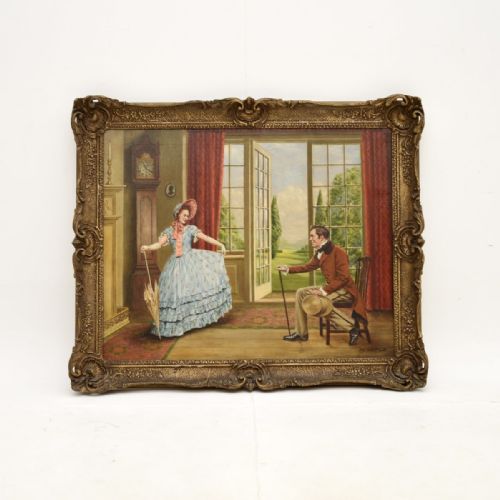
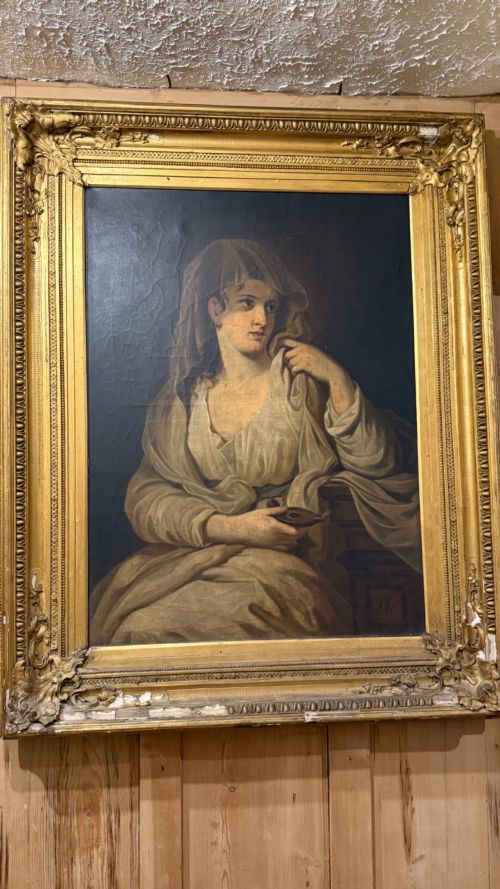
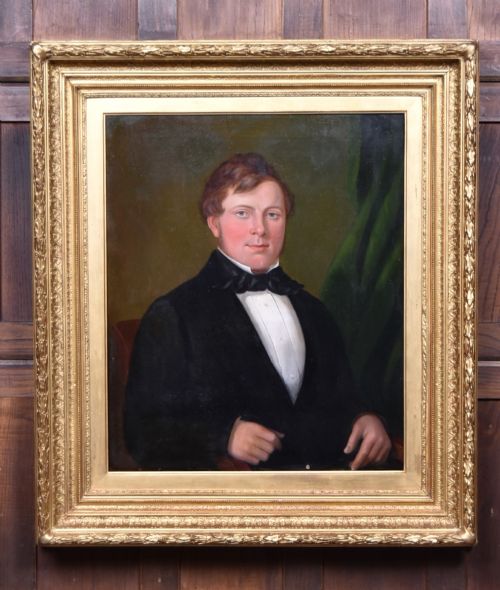
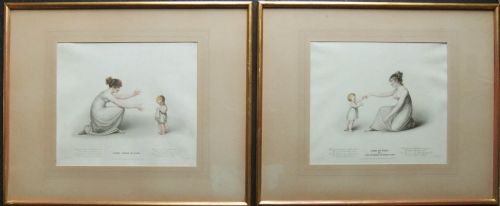
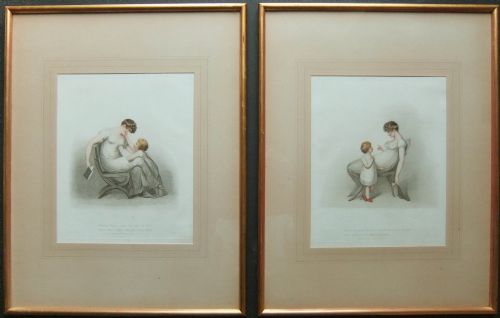
Regency gilt wall art gathers framed portraits, watercolours and engravings reflecting the neoclassical taste of the early nineteenth century.
Regency Gilt Wall Art
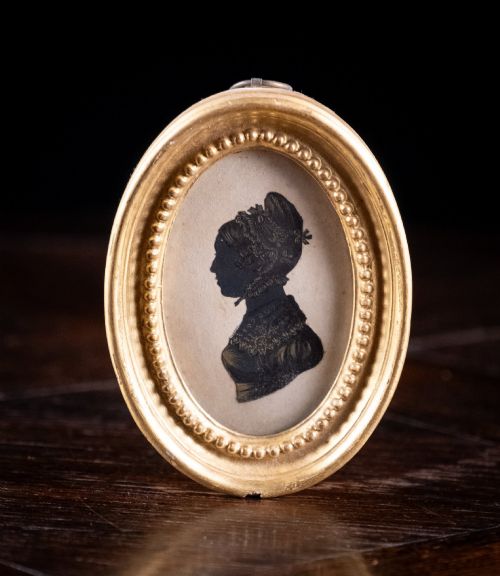
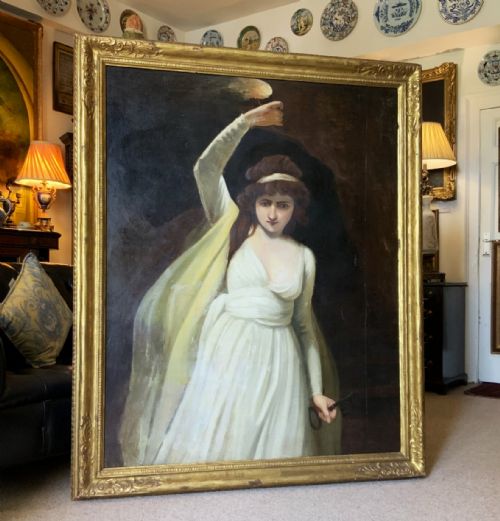
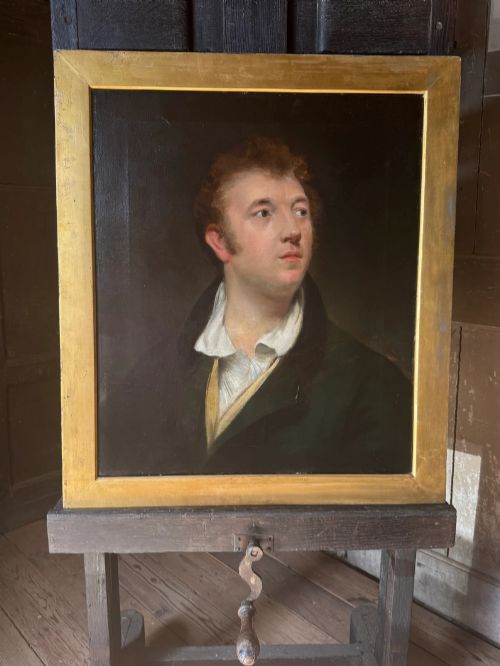
When searching for regency gilt wall art, a buyer encounters a selection spanning oil paintings, watercolours, silhouette portraits and hand-coloured engravings. These works date primarily from the nineteenth century, including Georgian and Regency periods, alongside later Victorian interpretations.
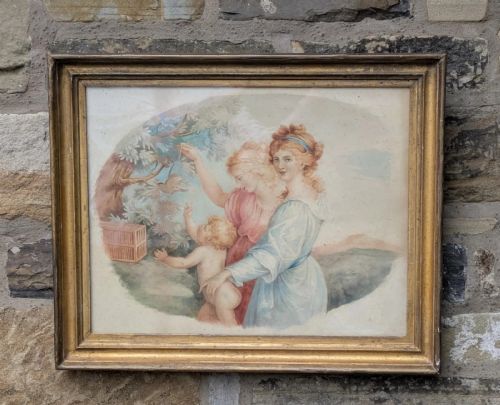
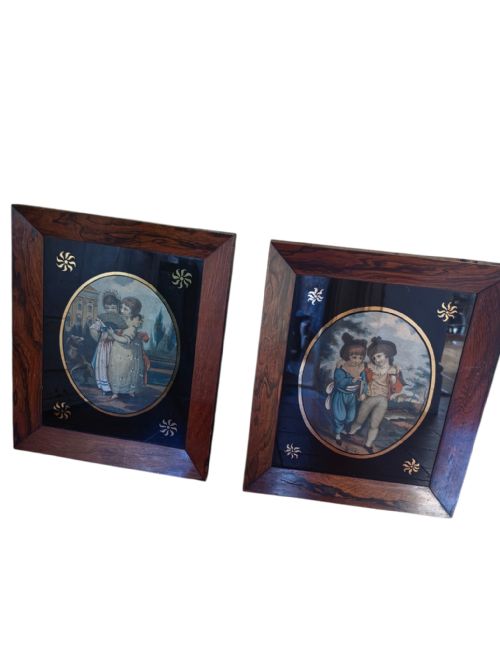
The objects take the form of framed portraits, classical scenes, needlework pictures and botanical studies designed for domestic display. Oil paintings on canvas and board sit alongside delicate paper works, miniatures and framed prints.
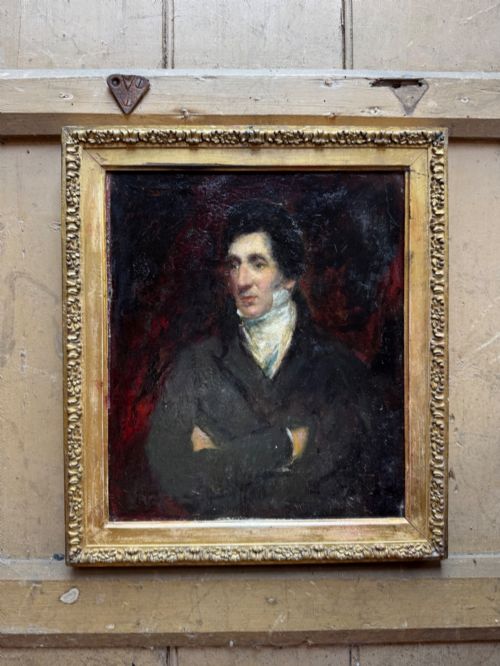
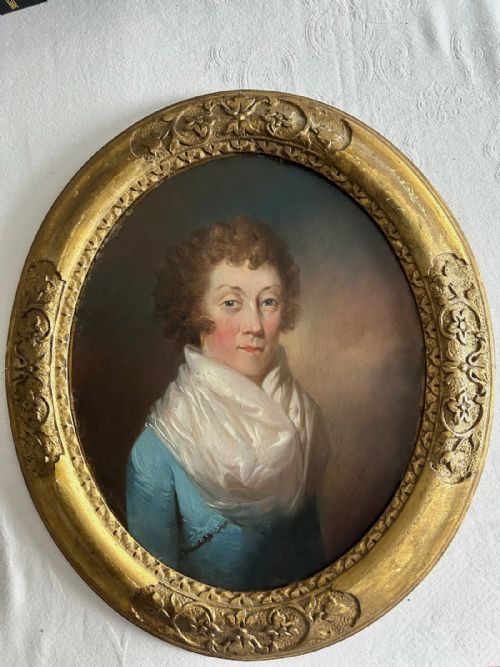
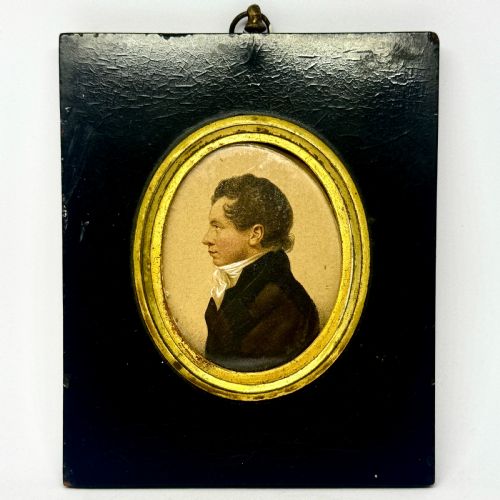
The selection ranges from intimate portrait miniatures to large framed canvases. Subjects include military officers, ladies, gentlemen and children, often housed in period frames.
How they were made
Makers utilised canvas, paper, wood, oil paint, watercolour, pastel and gouache to produce these wall pieces. Gold leaf and giltwood provide the characteristic metallic lustre seen on frames and panels.
Techniques combine traditional oil painting on canvas with fine watercolour washes, graphite drawing, hand-coloured engraving, cut paper work and needlework on silk.
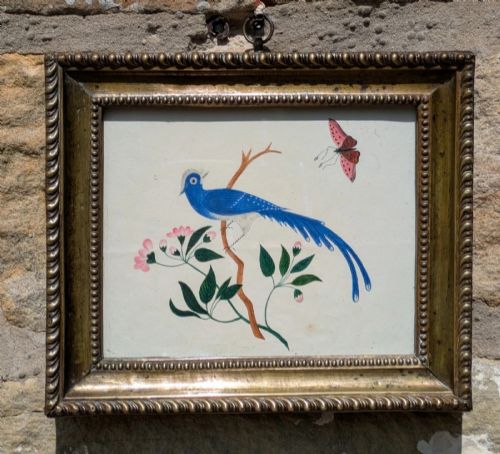
An exotic blue bird watercolour rubs shoulders with stern military officers.
What varies in quality
The integrity of the framing materials, such as original giltwood mouldings, rosewood surrounds or Hogarth frames, contributes significantly to the character and preservation of each piece.
Alfred Lyndon Grace·John Russell R.A.·John Opie RA·James Howe·Adam Buck·Thomas Gainsborough·Sir Thomas Lawrence·T C Hofland·Sydney Wilson·George Romney·Henry William Banbury·Frederick Frith
The Regency Gilt Wall Art Glossary
- Giltwood
- Wood carved and coated with gold leaf or metallic powder. It provides a bright finish common on period picture frames.
- Engraving
- A printmaking technique where an image is incised into a metal plate. Hand-coloured examples receive pigment by hand after printing.
- Portrait Miniature
- A small, detailed painting or drawing depicting a person. These were often executed on ivory, vellum or paper during the Georgian and Regency eras.
- Silhouettes
- Profile portraits cut from black paper or painted on card. They became popular in the eighteenth and nineteenth centuries before the invention of photography.
- Neoclassical
- A style inspired by classical antiquity that influenced art and architecture during the late eighteenth and early nineteenth centuries.
Regency Gilt Wall Art: Frequently Asked Questions
What periods do these pieces date from?
The selection spans the eighteenth and nineteenth centuries, with a strong representation from the Regency and Georgian eras.
Items also include later nineteenth-century works and early twentieth-century print editions after earlier originals.
What mediums are used in regency gilt wall art?
Works incorporate oil on canvas, oil on board, watercolour, pastel, gouache, graphite and needlework on silk.
Frames and decorative elements utilise giltwood, gold leaf, paper, glass and wood.
How should I hang these pieces at home?
These framed portraits and prints suit traditional living spaces, studies and hallways where period lighting enhances the gilt frames.
Avoid placing works in direct sunlight to protect watercolours, paper prints and delicate silk needlework.
How do I identify a Regency period frame?
Regency frames often feature neoclassical motifs, reeded moulding and bright gold leaf finishes applied over gesso and wood.
They frequently house original oil portraits, watercolours or hand-coloured engravings from the early 1800s.