



Regency Furniture Pieces
These regency furniture pieces are scaled-down works of cabinet-making skill that bring period elegance to compact spaces.
Regency Furniture Pieces
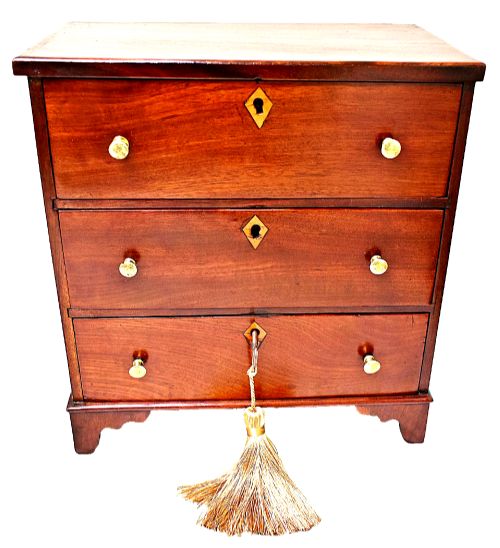
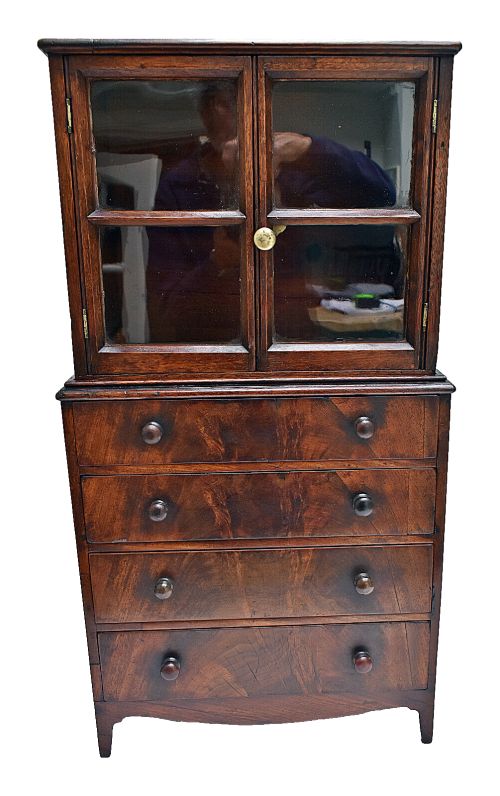
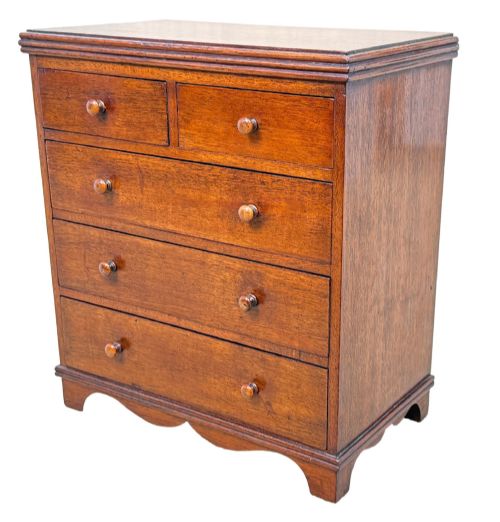
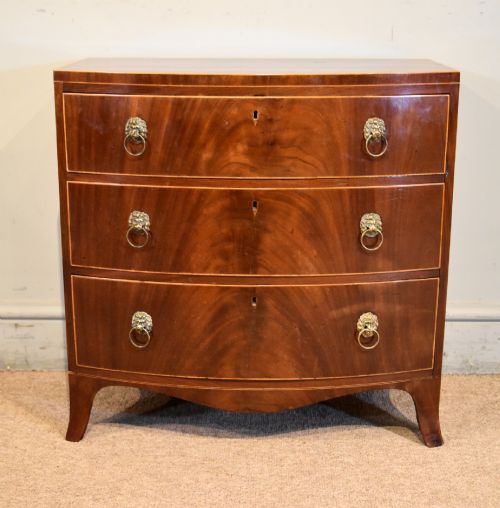
When you search for regency furniture pieces, you encounter a selection of small-scale items and miniature chests of drawers spanning the nineteenth century, Regency, and Georgian periods. The most frequent finds on this page are miniature mahogany and rosewood chests of drawers, often featuring bow-front designs.
Beyond chests, the selection encompasses miniature side tables, breakfast tables, tea caddies, shelving units, bookcases, and cabinets. These objects originate from the nineteenth century, including specific dates like eighteen eighty and eighteen hundred, alongside George III and Grand Regency styles.
Makers utilised various secondary woods and decorative elements, resulting in pieces labelled as apprentice pieces or display items. The forms mirror full-scale domestic furniture precisely, scaled down for travelling salesmen, apprentices, or desktop use.
How they were made
Cabinet-makers constructed these pieces primarily from solid and veneered timbers such as mahogany, rosewood, burr yew, satinwood, and amboyna. These dense hardwoods allowed craftsmen to plane thin veneers and shape tight curves like bow-fronts without splitting.
Decoration relied on contrasting inlay work using boxwood and bone to create fine stringing and geometric details. Brass fittings, handles, and escutcheons provided functional contrast against the dark polished wood surfaces.
Regency Furniture Pieces Retail Price Guide 2026
Typical asking prices for regency furniture pieces among the pieces listed under this phrase on Sellingantiques today, from the lower quarter to the upper quarter. They describe what is for sale here now, not the wider market.
Some chests contain secret compartments built by makers who clearly enjoyed testing the fingers of future owners.
What varies in quality
The standard of a piece depends on the proportion and fidelity of the scale reduction compared to full-sized furniture. Superior examples maintain crisp drawer linings, tight dovetail joints, and well-matched wood grain across the drawer fronts.
The choice of primary timber and the complexity of secondary woods dictate value, with highly figured rosewood and burr yew sitting above plain mahogany. Finely executed inlay work in boxwood and bone further distinguishes workshop tiers.
The Regency Furniture Pieces Glossary
- Bowfront
- A convex, curved front on a chest of drawers or cabinet. This shape requires advanced woodworking skill to bend and fit accurately.
- Apprentice piece
- A small-scale item created by a trainee craftsman to demonstrate mastery of joinery techniques to a guild. These items show exceptional attention to detail.
- Stringing
- Thin lines of contrasting wood or bone inlaid into channels cut into the primary surface. It creates delicate decorative borders on table tops and drawer fronts.
- Escutcheon
- A flat plate of brass surrounding a keyhole. It protects the surrounding wood from wear caused by the key.
- Dovetail
- A joint formed by interlocking wedge-shaped fingers of wood. It provides strong tensile strength for drawer corners.
Regency Furniture Pieces: Frequently Asked Questions
What are miniature chests used for?
These small chests served multiple purposes in historical interiors, ranging from salesman samples to desk organizers for letters and valuables. Their compact proportions allowed owners to place them on tabletops or large chests.
Today, collectors use them to display small trinkets or simply appreciate them as standalone sculptures of cabinet-making.
How do I identify a Regency piece?
Regency items typically date from the early nineteenth century and display classical architectural influences. Look for dark timbers like mahogany and rosewood, often accented with brass details.
Construction methods such as hand-cut dovetails and solid secondary woods help confirm the period of manufacture.
Are apprentice pieces genuine?
Apprentice pieces are traditional miniature items produced by learners to prove their skills before qualifying as master craftsmen. They exhibit the same rigorous joinery found in full-sized furniture.
While the term is often applied to small antiques, genuine examples show meticulous execution in difficult areas like drawer corners and internal framing.
How do I care for mahogany miniatures?
Keep these wooden pieces away from direct sunlight and strong heat sources to prevent the veneers from drying and lifting. Dust them gently with a dry, soft cloth.
Applying a traditional beeswax polish occasionally helps nourish the hardwood and maintains the natural lustre of the surface.