


Regency Furniture Pair
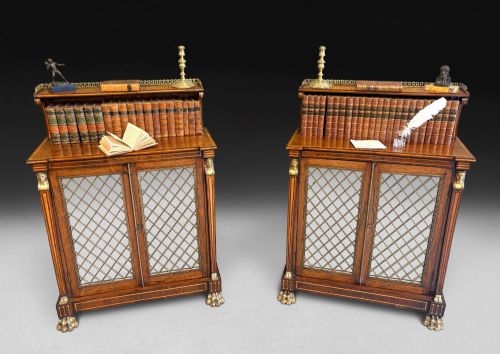
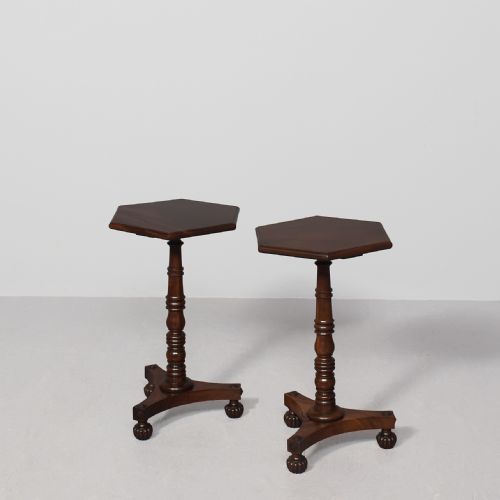
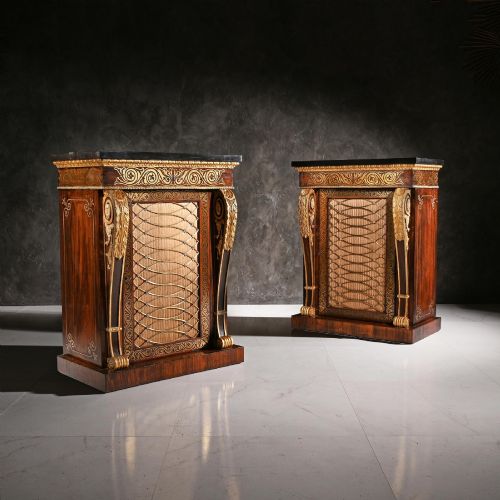
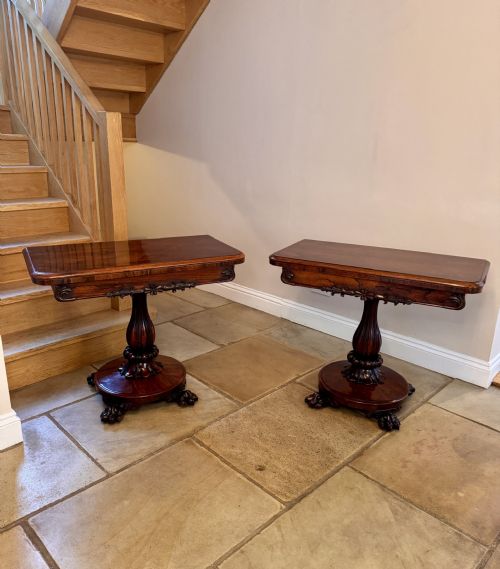
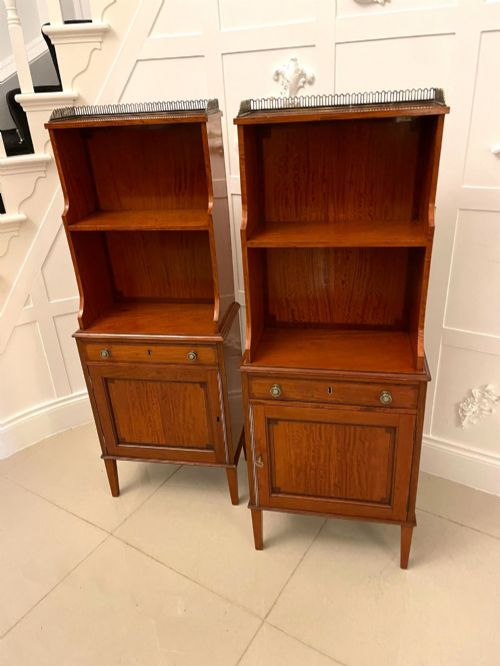
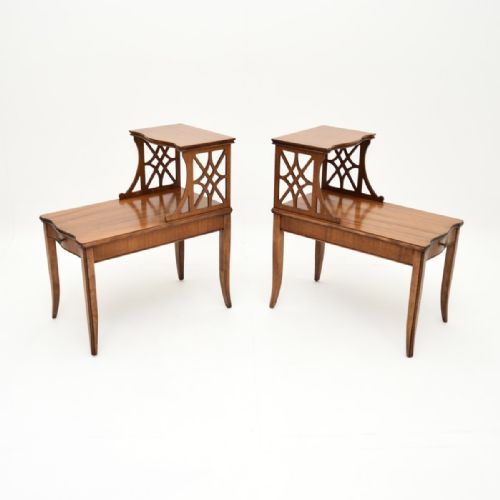
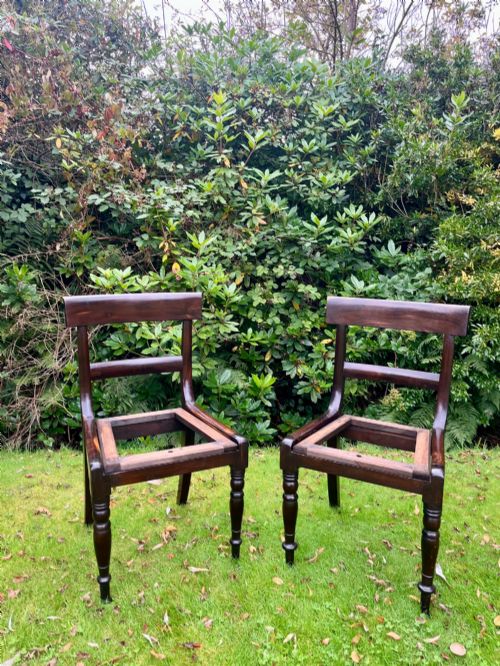
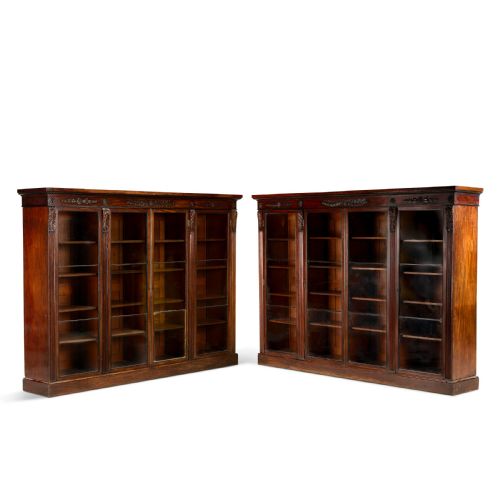
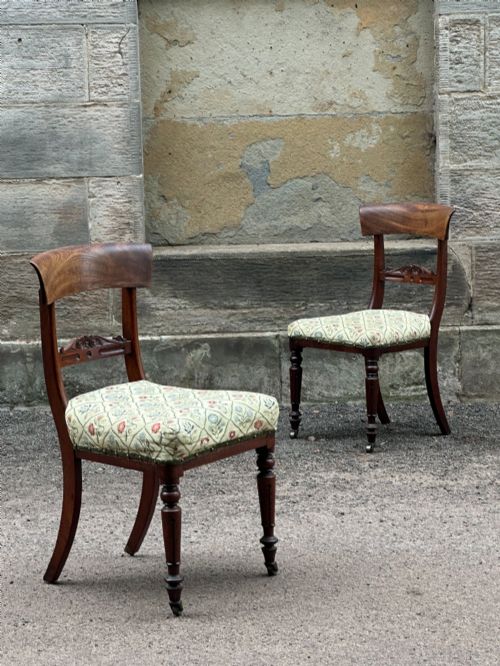
A regency furniture pair brings matching symmetry to a room, offering dual card tables, bookcases, or side chairs crafted in mahogany and rosewood.
Regency Furniture Pair
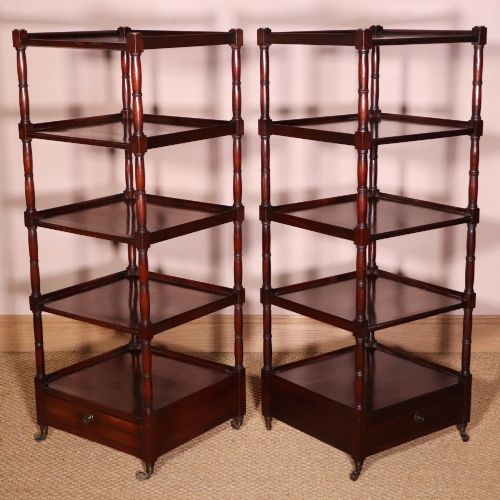
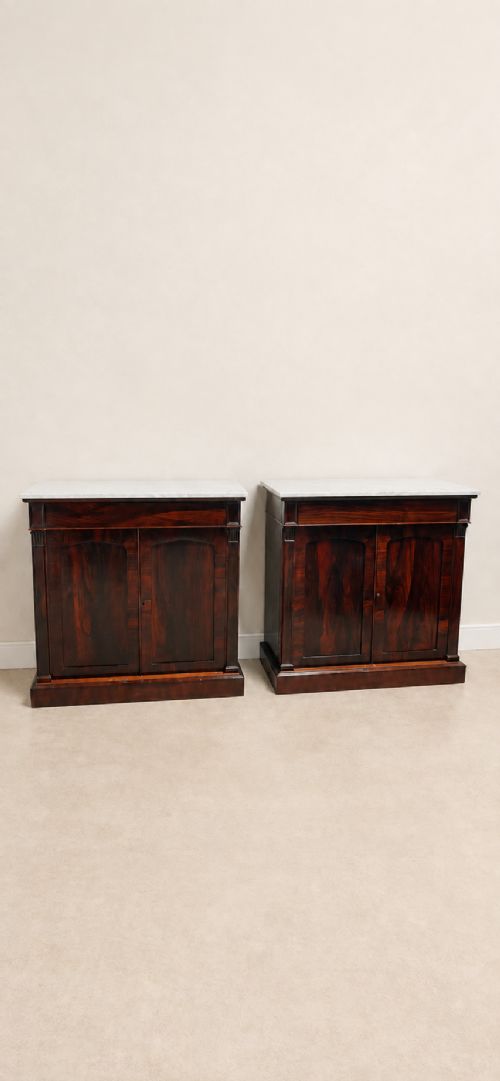
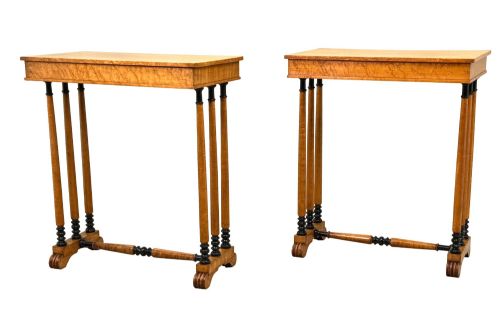
A regency furniture pair comprises matching items intended to balance a room, spanning forms like card tables, side cabinets, bookcases, and side chairs. These pieces originate primarily from the Regency, George IV, and William IV periods, alongside later revivals.
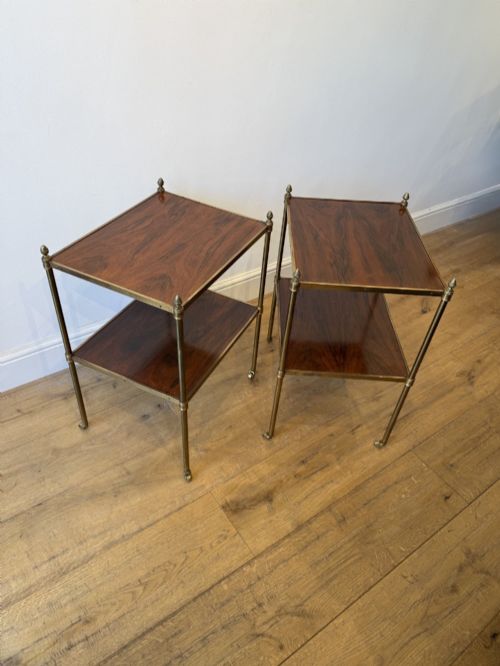
Mahogany and rosewood dominate the selection, often taking the form of side tables or whatnots that serve both decorative and practical functions. Buyers encounter matching sets designed for libraries, halls, and drawing rooms.
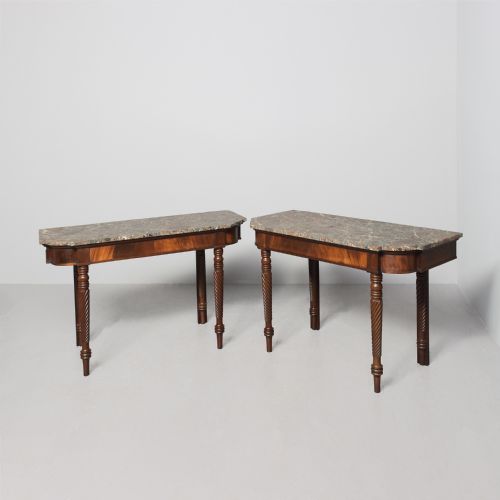
The assortment includes regional variations such as Scottish, Irish, and Anglo-Indian items, expanding the stylistic range within the broader Regency grouping. Matching pairs of armchairs and console tables appear frequently.
Materials and Construction
Cabinetmakers utilised dense timbers like mahogany, rosewood, and satinwood, frequently selecting veneers to display rich grain patterns. Brass inlay and brass mounts furnish contrast against the dark woods.
Construction techniques involve structural framing for seating and tiered shelving for bookcases and etageres. Marble tops and leather inserts appear on specific tables, integrating specialised surface materials.
Regency Furniture Pair Retail Price Guide 2026
Typical asking prices for regency furniture pair among the pieces listed under this phrase on Sellingantiques today, from the lower quarter to the upper quarter. They describe what is for sale here now, not the wider market.
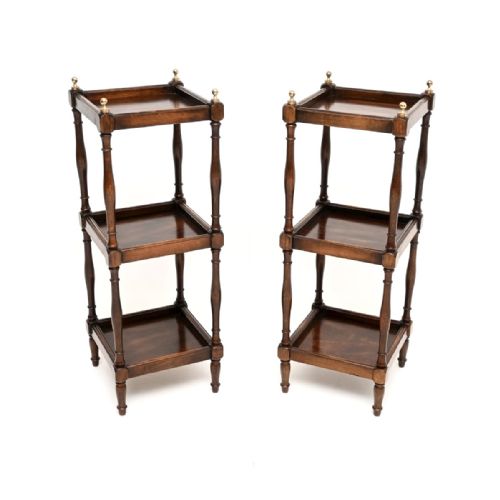
Candle stand stools offer diminutive perches for illumination.
Standards of Execution
Quality rests in the precision of the timber selection and the integration of brass inlay work. Pieces attributed to prominent makers exhibit refined carving and balanced proportions.
The preservation of original surface finishes and secondary woods indicates superior production standards. Matching grain alignment across a pair distinguishes finer examples from standard commercial output.
Gillows·Holland and Sons·Mallett·Louis Constantin Le Gaigneur·Marsh and Tatham·Strahan of Dublin
The Regency Furniture Pair Glossary
- Whatnot
- A set of open shelves on small supports used for displaying ornaments or books. These pieces often feature three tiers.
- Card table
- A folding table designed for gaming, typically lined with baize or leather. The top rotates or folds over when not in use.
- Console table
- A table fixed to a wall or supported by front console brackets. They frequently feature marble tops and ebonised details.
- Grecian
- A style influenced by classical Greek design, common in Regency seating. It incorporates curved legs and scrolled backrests.
- Brass inlay
- Metal strips inserted into timber surfaces in geometric or floral patterns. This technique defines high-end Regency cabinetry.
Regency Furniture Pair: Frequently Asked Questions
What defines a regency furniture pair?
A regency furniture pair consists of two matching decorative or functional items made during the early nineteenth century or subsequent revival periods. These objects share materials, dimensions, and stylistic motifs.
Such pairs typically include card tables, side cabinets, and bookcases designed to create visual symmetry within a domestic interior.
Where were these pieces used?
These items were placed in formal reception rooms, libraries, and hallways of substantial residences. Card tables stood in drawing rooms for evening games, while bookcases occupied studies.
Side tables and pedestals served to display decorative objects or support lighting fixtures in prominent public areas of the house.
How do I care for rosewood and mahogany?
Maintain these wooden surfaces by keeping them away from direct sunlight and extreme temperature fluctuations. Regular dusting with a dry cloth prevents particle buildup.
Apply appropriate wax polish sparingly to nourish the timber and preserve the historic finish without causing moisture damage.
How are original pieces identified?
Authentic items display construction methods appropriate to the nineteenth century, including hand-cut joints and secondary woods like pine or oak. Maker signatures, trade labels, or distinct attribution details often verify origin.
Examination of the timber grain, brass mounts, and wear patterns helps distinguish genuine period examples from later revival pieces.