
Regency Framed Wall Art
Regency framed wall art brings classical refinement into a room through period portraits, watercolours and delicate silhouettes.
Regency Framed Wall Art
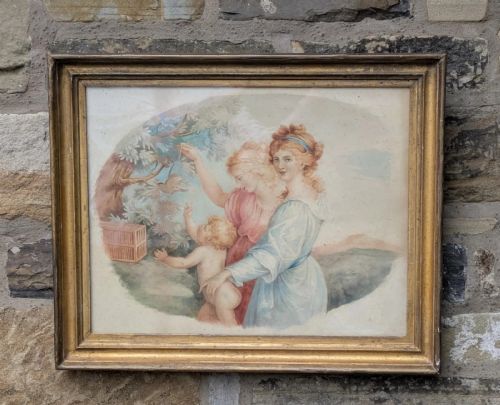
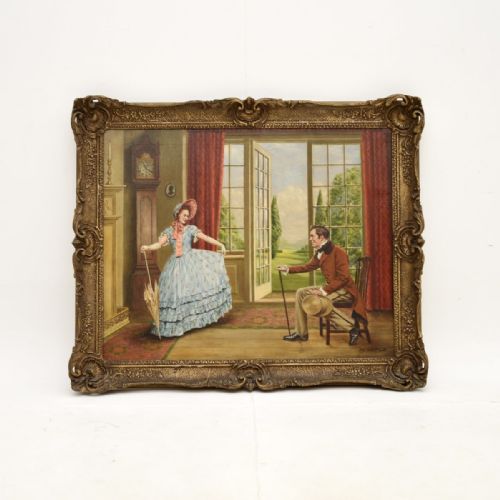
When searching for regency framed wall art, buyers encounter a diverse selection of works dating primarily from the nineteenth century. These pieces encompass oil paintings, botanical watercolours, portrait miniatures, engravings and textile art.
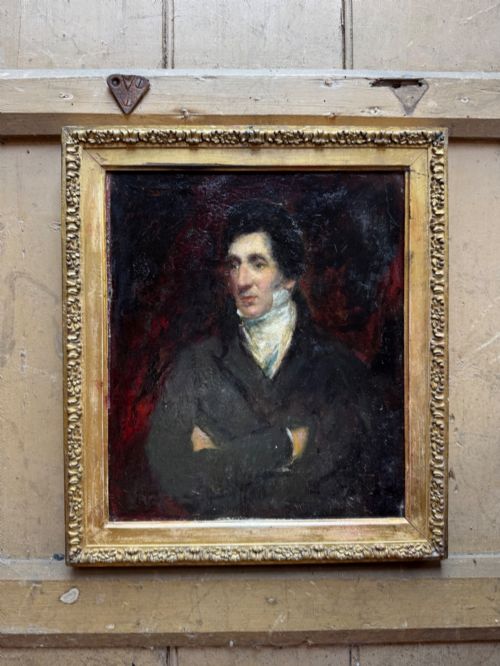
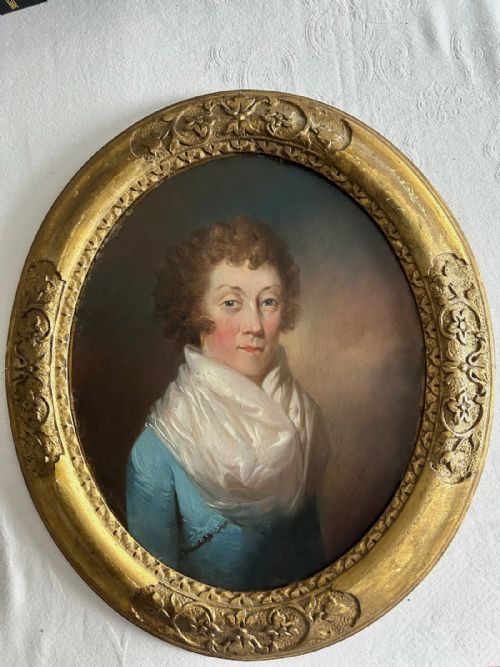
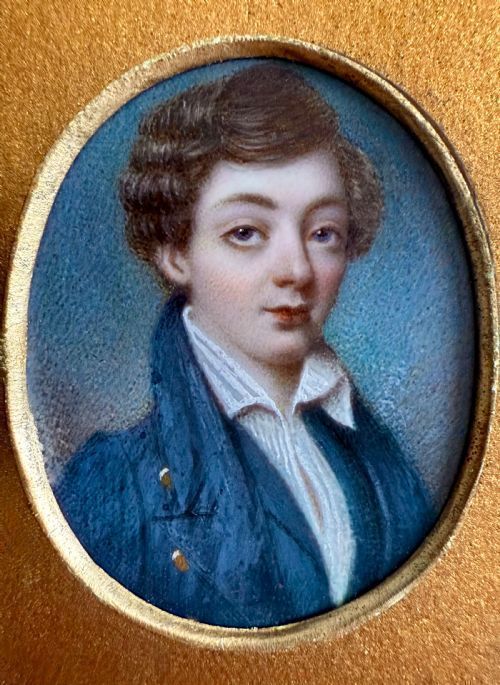
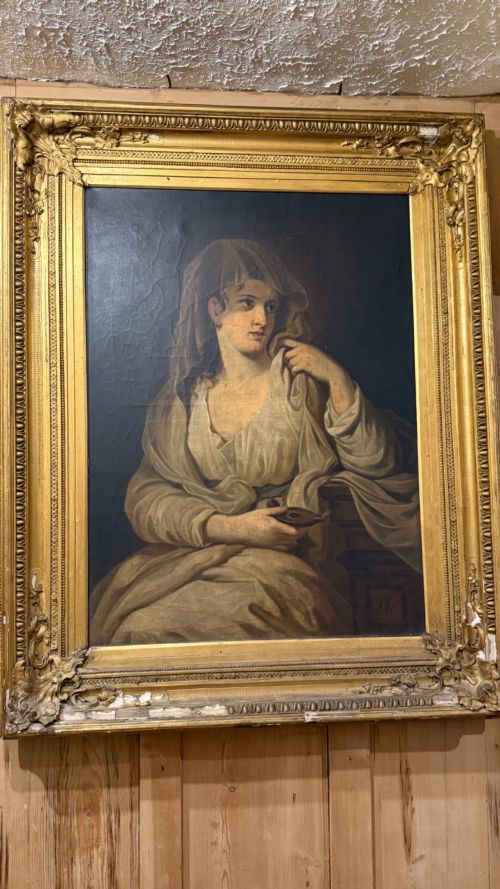
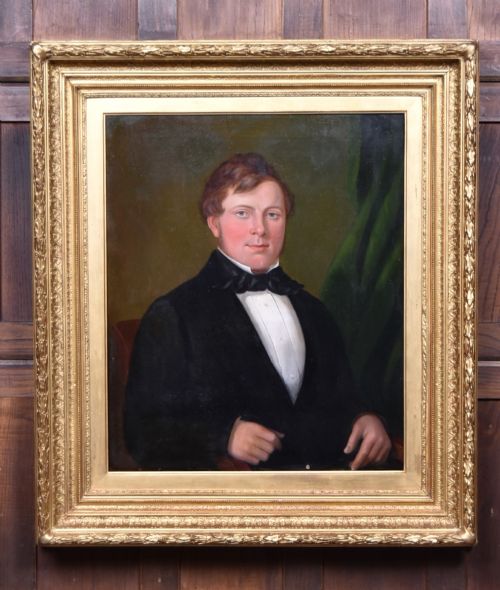
The most frequent examples on this page are portraits executed in oil, graphite or watercolour, capturing subjects ranging from military officers to children and society figures. Many retain their original frames, which define the visual perimeter of each piece.
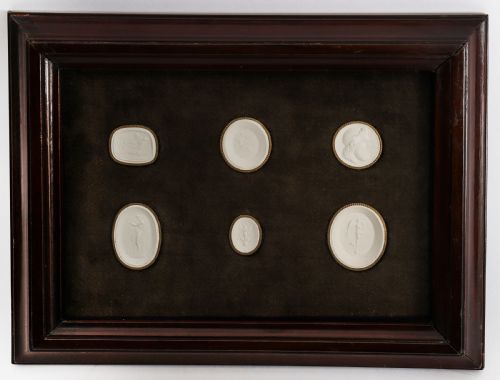
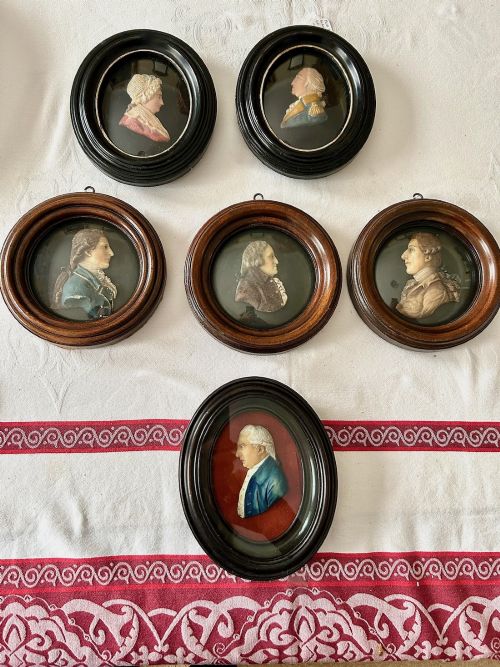
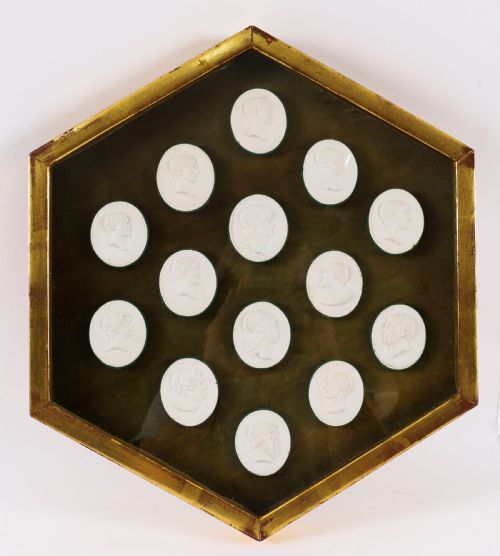
Beyond traditional canvas paintings, the selection includes specialised items such as wax portraits, Grand Tour intaglios and reverse glass prints. Each format reflects the visual culture and domestic interior tastes of the Georgian and Regency eras.
Materials and construction
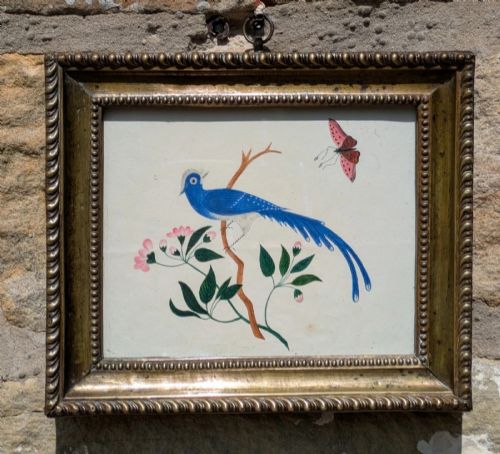
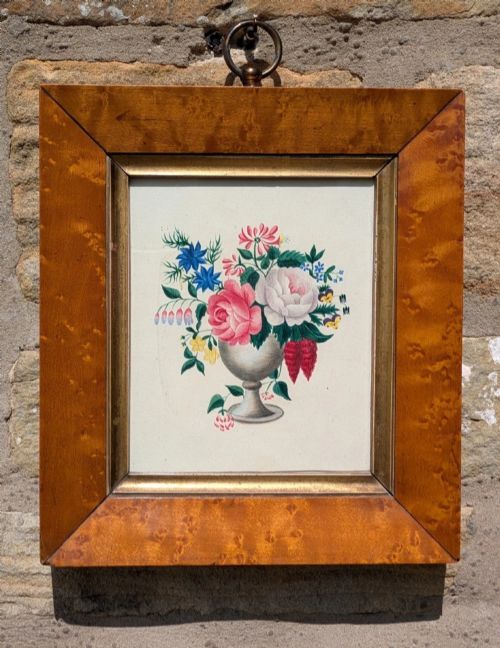
The physical objects combine delicate paper, parchment, silk or canvas surfaces held within protective wooden and gilded surrounds. Artists of the period utilised oil paints, watercolours, graphite and ink to achieve fine detail on portraits and botanical studies.
Giltwood, gold leaf and rosewood feature heavily in the framing techniques, providing a distinct metallic sheen or dark grain that complements the artwork. Glass covers many of the paper and watercolour pieces, protecting fragile pigments from atmospheric damage.
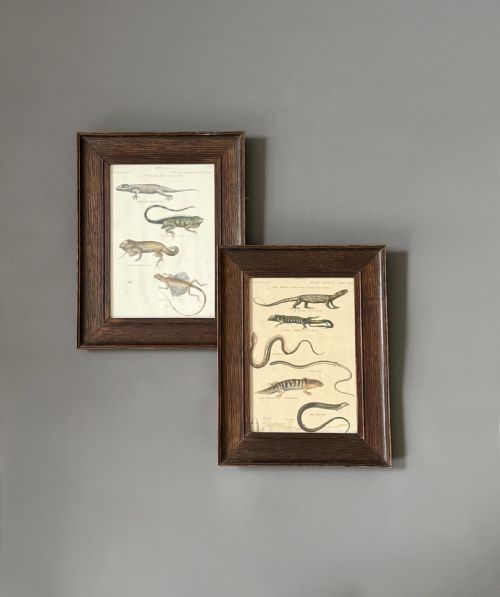
Textile works incorporate needlework and hand-painted silk, demonstrating skilled handcrafting techniques alongside traditional printmaking methods like lithography and mezzotint engraving.
Among the historical subjects, a hand-coloured engraving of monkeys offers a glimpse into early nineteenth-century domestic humour.
Factors of quality
The standard of execution in portraiture and botanical illustration dictates the visual success of the piece, separating accomplished academic works from simpler vernacular efforts. The handling of light, expression and anatomical proportion reveals the proficiency of the artist.
Materials also contribute significantly to the distinction between items, particularly the depth and application of gold leaf on frames and the purity of the glass used in glazing. Intact original framing matching the period of the artwork adds cohesion.
Joseph Clover RA·Richard Cosway·Augustin Edouart·John Russell RA·John Opie RA·James Howe·Adam Buck·Thomas Gainsborough·Sir Thomas Lawrence·T C Hofland·Sydney Wilson
The Regency Framed Wall Art Glossary
- Intaglio
- A design incised into a material so that an impression in wax produces a raised image in relief. These collected impressions reflect classical motifs popular on the Grand Tour.
- Mezzotint
- A printmaking process where the copper plate is roughened to allow deep tonal gradations. This technique produces velvety dark backgrounds and subtle skin tones in portrait prints.
- Silhouettes
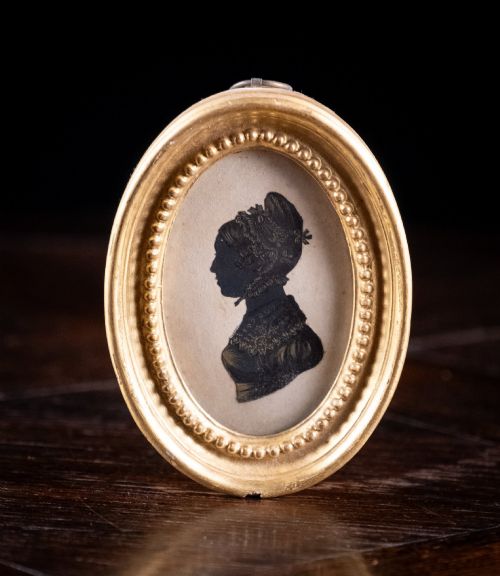
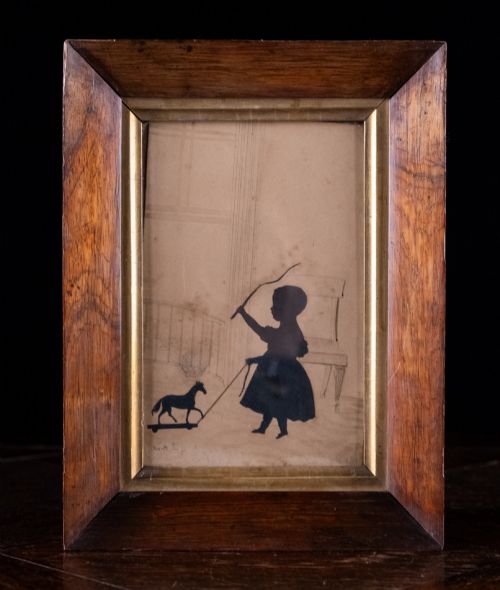
- A profile portrait cut from paper or painted in black pigment. They gained popularity as an affordable likeness before the widespread use of photography.
- Giltwood
- Timber carved and coated with gold leaf or metallic powder. It provides the bright reflective borders standard on formal nineteenth-century frames.
- Portrait miniature
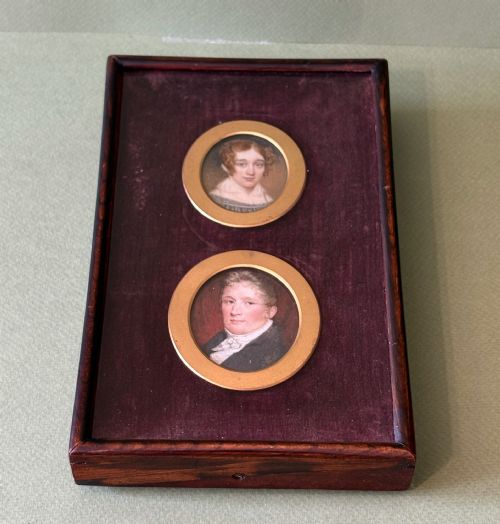
- A small, highly detailed painting executed on ivory, vellum or card. These intimate objects were often kept in small travel cases or worn as personal tokens.
Regency Framed Wall Art: Frequently Asked Questions
How do I hang delicate paper watercolours safely?
Paper and watercolour pieces require protection from direct sunlight to prevent the fading of fugitive pigments over time. Position them on interior walls away from moisture sources like kitchens and bathrooms.
Ensure that hanging wires and wall fixings match the weight of the original wooden or gilt frames. Professional framing services can also supply UV-filtering glass for added preservation.
What subjects appear most often in these artworks?
Portraits dominate the selection, depicting gentlemen, military officers, children and female beauties from the Georgian and Regency periods. These range from detailed oil canvases to modest graphite drawings and silhouette profiles.
Botanical studies, classical scenes and topographical prints also feature regularly. They reflect the educational and aesthetic interests of collectors during the early nineteenth century.
How can I distinguish a genuine period frame?
Period frames often display traditional construction methods such as corner mitres joined with wooden splines and hand-carved compo ornamentation over timber mouldings. The gesso and gold leaf layers show natural micro-craquelure and wear consistent with age.
Modern replacement frames typically feature uniform synthetic mouldings and lack the depth of patina found on nineteenth-century giltwood and rosewood surfaces. Inspecting the reverse reveals older backing boards and rusted iron fixings.
Were these pieces displayed individually or in sets?
Many nineteenth-century artworks were created and framed as pairs or larger grouped sets, particularly botanical watercolours, portrait miniatures and engraved series. Families often commissioned companion portraits of couples or children to hang together in domestic parlours.
Sets provide a balanced visual arrangement on a wall compared to single isolated pieces. Keeping paired works together preserves their historical context as decorative interior ensembles.