
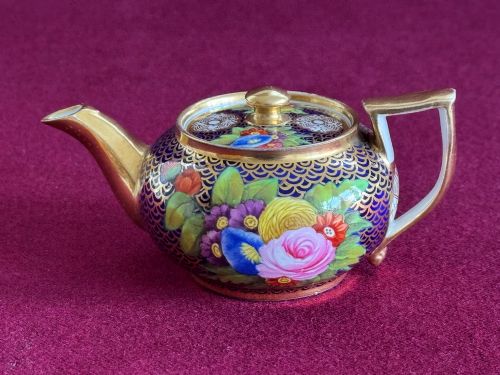
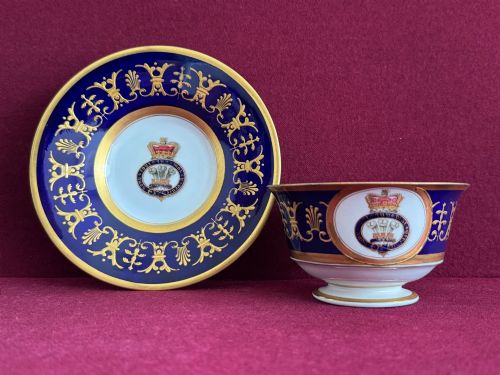
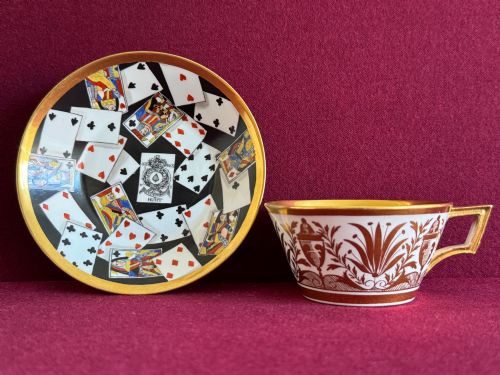
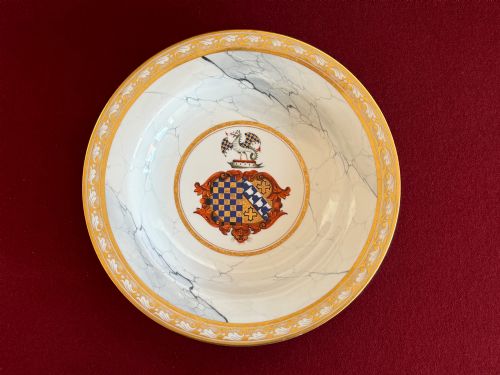
Regency English Porcelain
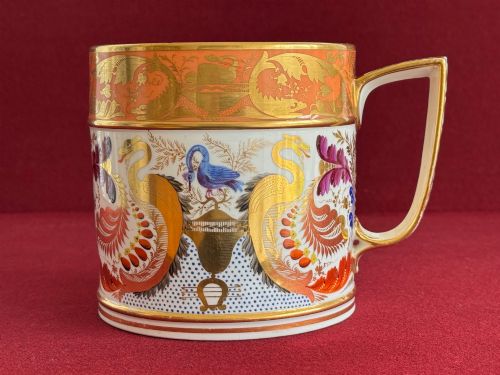
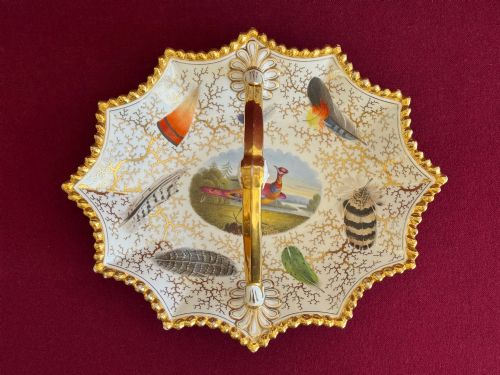
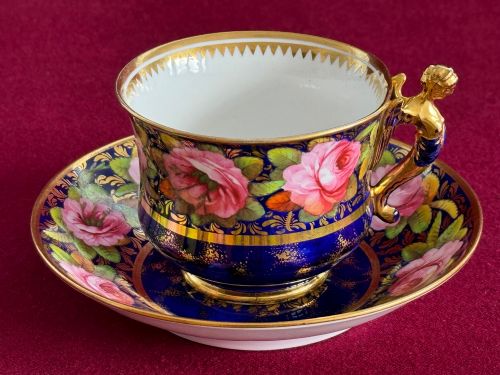
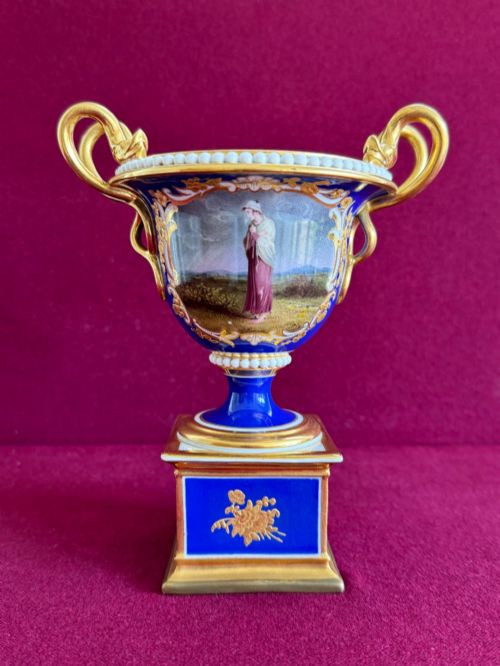
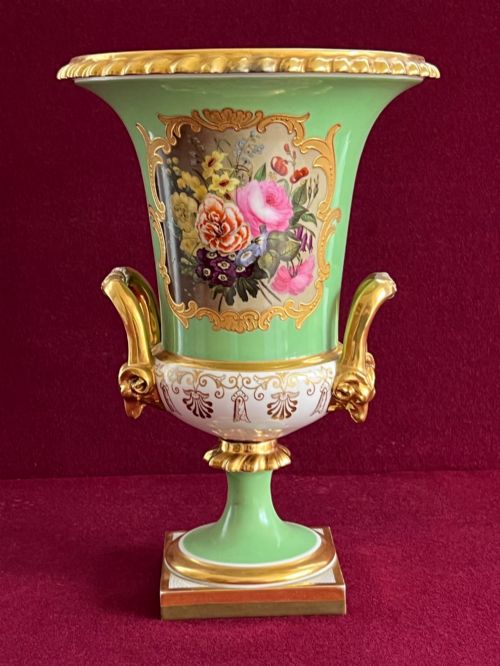
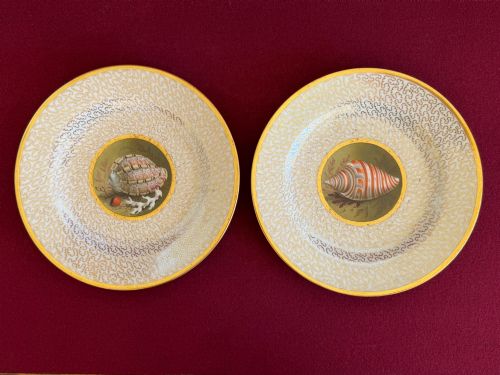
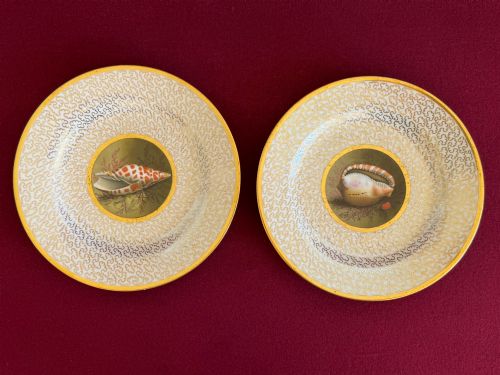
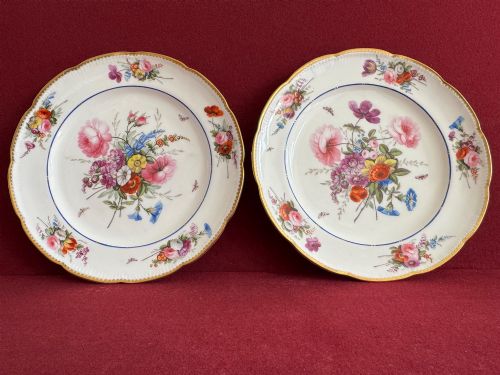
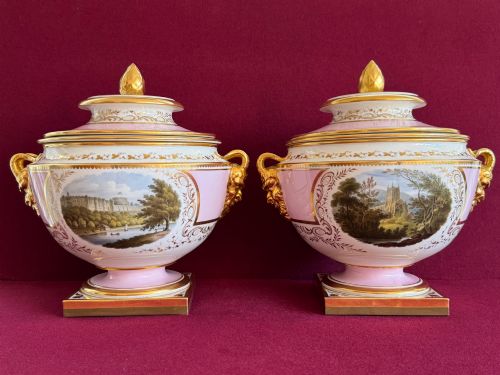
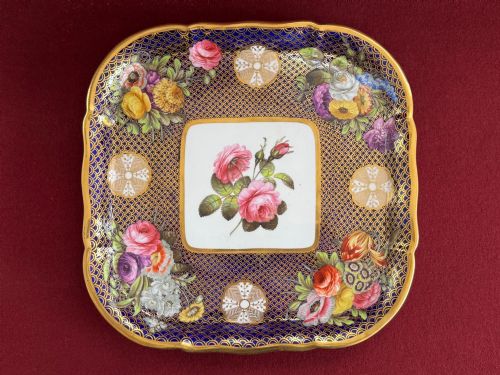
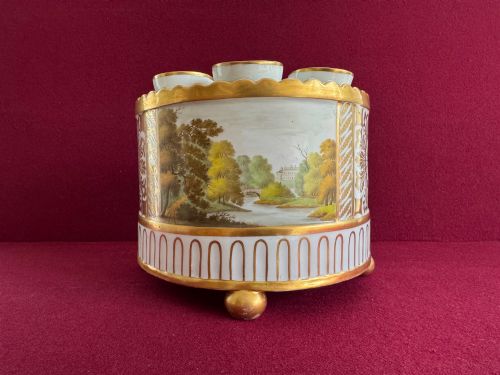
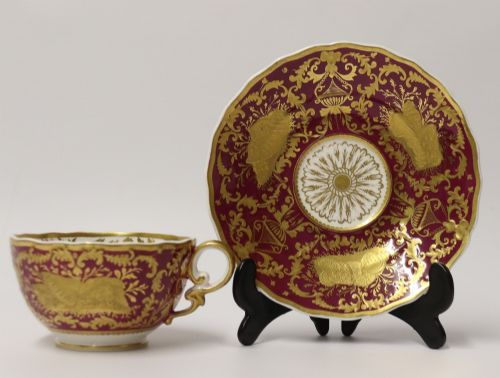
Regency english porcelain brings Neoclassical restraint and bright handpainted flora to the table through teacups, vases, and cabinet plates.
How they were made
Potters shaped these objects using refined clay bodies, incorporating bone ash for translucency or heavy stone china mixtures for durability. Glazes were applied to create a smooth, vitreous surface ready for decoration.
Decoration relied heavily on skilled handpainting, particularly for botanical studies, exotic birds, and figurative scenes. Artisans applied gold leaf and gilding by hand to highlight borders, handles, and moulded details.
What varies in quality
Quality separates through the precision and artistry of the handpainted decoration, where botanical accuracy and fine brushwork distinguish superior output. Well-executed gilding and intricate moulding, such as acanthus leaves or shell motifs, elevate a piece.
The crispness of the porcelain body and the complexity of the form, from standard teacups to reticulated chestnut baskets and footed comports, indicate the ambition of the original workshop.
Listings feature 19th Century, Regency, and Georgian periods alongside materials like bone china and ironstone.
Grainger Lee And Co·Flight Barr And Barr·Spode·H And R Daniel·Derby Porcelain·Wedgwood·Flight And Barr·Chamberlain Worcester·Newhall·Coalport·Bloor Derby·Masons Ironstone·Ridgway
The Regency English Porcelain Glossary
- Bone china
- A type of porcelain strengthened with bone ash, producing a durable and translucent body. It became a staple for fine nineteenth century tableware.
- Comport
- A raised dish or tazza used for serving fruit or dessert during formal meals. They often feature painted grounds and shaped rims.
- Ironstone
- A dense, heavy ceramic developed to resist chipping while offering a sturdy alternative to traditional porcelain. Mason's notably advanced this robust material.
- Trio
- A matched set comprising a teacup, a coffee cup, and a saucer. They demonstrate the structured tea-drinking habits of the period.
- Gilding
- The application of gold leaf or gold paint to ceramic surfaces. It accentuates rims, handles, and painted panels with metallic lustre.
Regency English Porcelain: Frequently Asked Questions
What is regency english porcelain?
It refers to ceramic tableware and decorative items produced in England during the early nineteenth century, marked by Neoclassical forms and handpainted details.
Production spans notable factories such as Worcester, Spode, and Derby, utilising porcelain, bone china, and ironstone.
How were these pieces used?
They functioned during formal tea and dessert services, displaying status and wealth in middle and upper class homes.
Items like jardinières, urns, and cabinet plates also served purely decorative purposes within drawing rooms and parlours.
How do I care for antique porcelain?
Wash pieces gently by hand in warm water using mild soap, avoiding dishwashers and harsh abrasive sponges.
Keep gilded items away from direct, prolonged sunlight and store them securely on stable, flat surfaces.
How can I tell the period?
Examine the paste, glaze characteristics, and painted pattern numbers, which often correspond to specific factory eras.
Stylistic cues such as Neoclassical shapes, shell motifs, and specific ground colours help narrow down the date.