

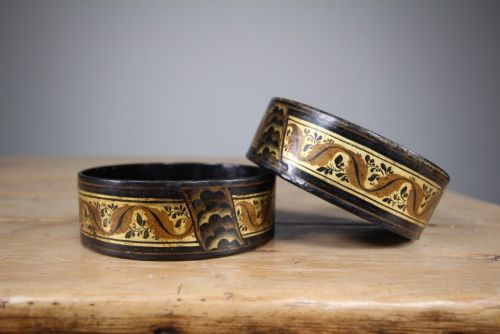


Regency Decanter Pair
A regency decanter pair brings symmetrical elegance to a dining table, offering matching vessels designed to hold wine in period style.
Regency Decanter Pair
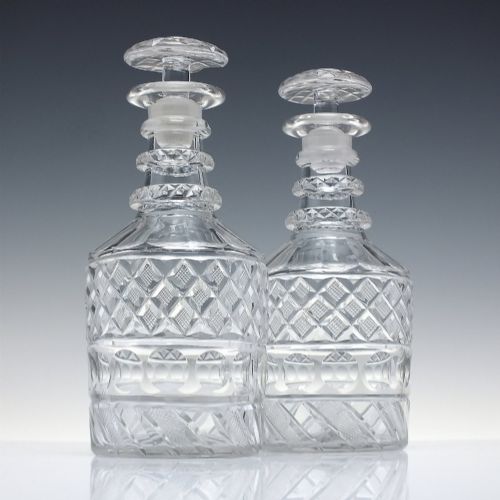
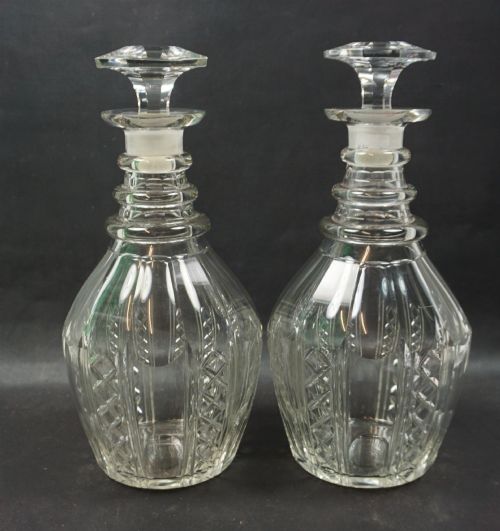
When you search for a regency decanter pair, you find matched sets created to serve wine and spirits during the early nineteenth century. These objects include ovoid glass decanters, half-bottle decanters, and pillar cut crystal vessels made to sit alongside matching wine coasters.
The pieces on this page span the Regency, Georgian, and Victorian periods, representing English craftsmanship from around eighteen hundred to eighteen fifty. Alongside glass decanters, the selection includes silver plate, sterling silver, papier-mâché, wood, and lacquer bottle stands.
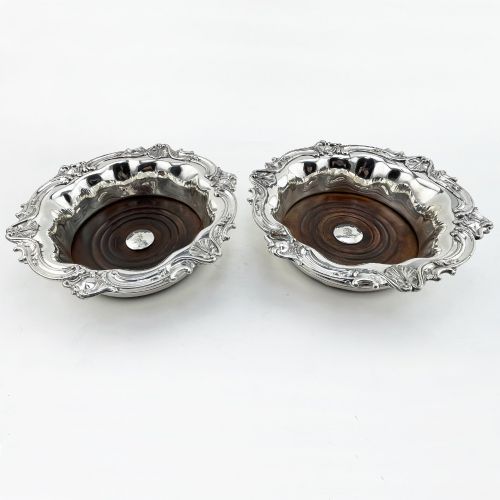
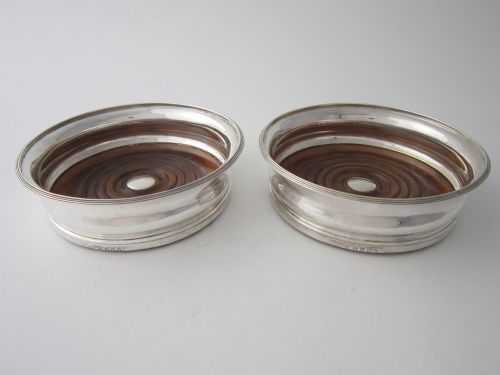
Most examples originate from English workshops, reflecting the formal dining customs of the period. Buyers frequently encounter Old Sheffield Plate coasters and black papier-mâché coasters with gilded decoration designed to protect the dining surface.
What varies in quality
Quality rests upon the crispness of the cut glass facets and the clarity of the lead crystal material. Finer decanters display deep, precise pillar cutting and well-balanced ovoid proportions.
For metalwork and coasters, excellence shows in the weight of the Old Sheffield Plate and the integrity of the silver fusion over copper. Superior papier-mâché examples exhibit durable structure and well-preserved gilded decoration.
Matching consistency defines the desirability of a pair, where both pieces share identical height, weight, and decorative detailing. Subtle variations in hand-formed glass or hand-beaten metal indicate distinct artisan hands at work.
Regency Decanter Pair Retail Price Guide 2026
Typical asking prices for regency decanter pair among the pieces listed under this phrase on Sellingantiques today, from the lower quarter to the upper quarter. They describe what is for sale here now, not the wider market.
Papier-mâché coasters proved surprisingly durable, holding heavy wine bottles despite being made entirely of layered paper and glue.
Matthew Boulton
The Regency Decanter Pair Glossary
- Old Sheffield Plate
- A composite material made by fusing a thin layer of silver to a thicker copper base. This technique was widely used for coasters and bottle stands before electroplating replaced it.
- Papier-mâché
- A durable composite material formed from layers of paper pulp mixed with glue and resin, pressed into moulds. It provided a smooth base for lacquer and gilded decoration on dining accessories.
- Ovoid
- Egg-shaped in three-dimensional form. Many early glass decanters utilise this rounded profile to maximise liquid capacity near the base.
- Pillar cut
- A method of glass cutting featuring wide, flat vertical flutes carved into the body of a vessel. This style enhances the refractive quality of lead crystal.
- Half-bottle decanter
- A smaller scale decanter designed to hold half a standard wine bottle. These compact vessels were popular for serving multiple wine varieties during a single meal.
Regency Decanter Pair: Frequently Asked Questions
How do I use a regency decanter pair today?
These vessels suit modern dining tables for serving red or white wine during formal meals. They bring period character to a sideboard when displayed alongside matching coasters.
Ensure glass stoppers are matched correctly to their respective necks to preserve the contents. Hand washing protects the delicate surfaces of Old Sheffield Plate and antique crystal.
How can I tell a Regency decanter from a Victorian one?
Regency pieces often display heavier lead crystal with deep pillar cutting and simpler, more restrained proportions. Victorian examples frequently introduce heavier ornamentation and alternative manufacturing methods.
Examining the pontil mark on the base of glass items helps determine the period of manufacture. Worn silver plate revealing copper underneath typically points towards earlier nineteenth-century production.
What are wine coasters used for?
Wine coasters sit on the dining table to hold bottles and prevent condensation rings from marking polished wood. They often feature turned wooden bases and green baize undersides for smooth movement.
During the nineteenth century, guests slid these stands around the table after the meal was cleared. The raised rims kept bottles secure while passing.
How do I care for papier-mâché coasters?
Keep papier-mâché and lacquer pieces away from excessive moisture and direct sunlight to protect the painted surfaces. Wipe them gently with a dry or barely damp cloth after use.
Avoid soaking these items in water, as the composite material can soften. Store them in stable temperature conditions to prevent the lacquer from cracking.