

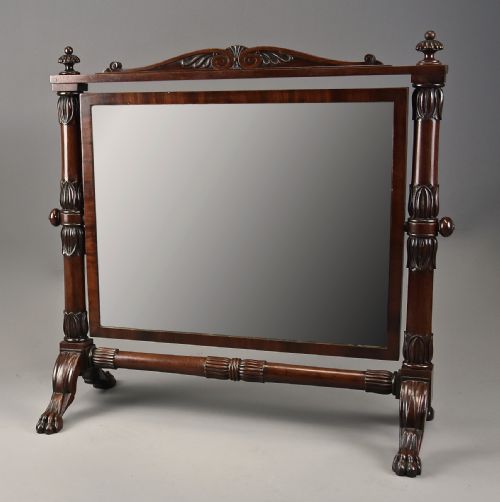


Regency Cuban Mahogany Table
These pieces of regency cuban mahogany table design bring dense, heavy grain and rich warmth into a room.
Regency Cuban Mahogany Table
A regency cuban mahogany table brings together the dark, dense timber imported from the Caribbean during the early nineteenth century and the crisp, classical lines characteristic of the Regency period. Buyers searching this phrase will find a variety of forms designed for domestic life, ranging from expansive extending dining tables to compact occasional pieces, Pembroke tables, and writing desks.
The pieces appearing on this page span the 19th century, with specific examples attributed to the Regency era and around eighteen hundred. Dining tables and library writing tables dominate the selections, alongside smaller serving tables, card tables, and drop-leaf variations that reflect the formal and social demands of nineteenth-century interiors.
While many examples showcase the clean restraint of the Regency style, related pieces cross into George III, Victorian, Empire, and Grand Regency aesthetics. This stylistic crossover demonstrates how cabinetmakers adapted classical proportions to suit changing tastes while retaining the signature dark timber.
What Varies in Quality
Quality rests upon the selection and matching of the mahogany timber itself, particularly where flame veneer is deployed across large expanses like dining table tops. Finer examples display symmetrical grain patterns that catch the light evenly across the surface.
Construction methods and hardware distinguish workshop standards, seen in the smoothness of extending mechanisms, the turning of pedestals, and the integration of brass castors. Pieces bearing maker stamps or attributed designs reflect higher standards of period craftsmanship.
Regency Cuban Mahogany Table Retail Price Guide 2026
Typical asking prices for regency cuban mahogany table among the pieces listed under this phrase on Sellingantiques today, from the lower quarter to the upper quarter. They describe what is for sale here now, not the wider market.
Some dining tables stretch up to fifteen feet long, ready to host feasts that would test the structural limits of modern dining rooms.
P & MA Nicholson·James Mein·Fatton Eleve De Breguet London·Gillow
The Regency Cuban Mahogany Table Glossary
- Cuban mahogany
- A dense, dark timber imported from the Caribbean, known for its rich grain and heavy weight. Cabinetmakers favoured it for high-end furniture during the eighteenth and nineteenth centuries.
- Flame mahogany
- A veneer cut from the fork of a mahogany tree where the branches join the trunk. This produces a dramatic, flickering flame-like pattern highly prized by period makers.
- Pembroke table
- A small, drop-leaf table with hinged flaps on either side designed for versatility. It typically includes a single drawer and movable leaves supported by pivoting brackets.
- Dumb waiter
- A tiered serving table or etagere with rotating or fixed shelves. It allowed diners to help themselves to courses without servants present in the room.
- Extending table
- A dining table designed with internal leaves and a mechanical track system to lengthen the top. This allowed households to accommodate larger dinner parties when required.
Regency Cuban Mahogany Table: Frequently Asked Questions
How do I care for a cuban mahogany table?
Keep the wood away from direct sunlight and extreme temperature shifts to prevent the finish from drying out. Dust regularly with a dry cloth and apply bees-wax sparingly to maintain the natural sheen.
Avoid placing wet glasses or hot plates directly onto the timber surface. Use coasters and mats to protect the antique polish from water rings and heat damage.
Were these tables used for dining?
Many examples served as formal dining tables, particularly the extending versions and large drop-leaf formats. Households utilised them in grand dining rooms for hosting large gatherings.
Other smaller variants functioned as writing desks, Pembroke tables, or side tables in libraries and drawing rooms. Their versatility made them central to daily domestic routines.
How can I tell the period?
Examine the construction methods, leg profiles, and hardware to determine the era of manufacture. Regency pieces often feature reeded legs, brass lion paw castors, and classical proportions.
Look at the timber grain and underside construction for signs of hand tools and period joinery. Matching these details with documented styles helps narrow down the decade of creation.
Can I use an extending table daily?
Extending tables are structurally robust enough for regular family meals when handled with care. Operating the mechanisms requires gentle handling to protect the internal runners and alignment.
Ensure the leaves are stored in a stable environment with consistent humidity when not inserted into the table. This prevents warping and keeps the leaves fitting flush.